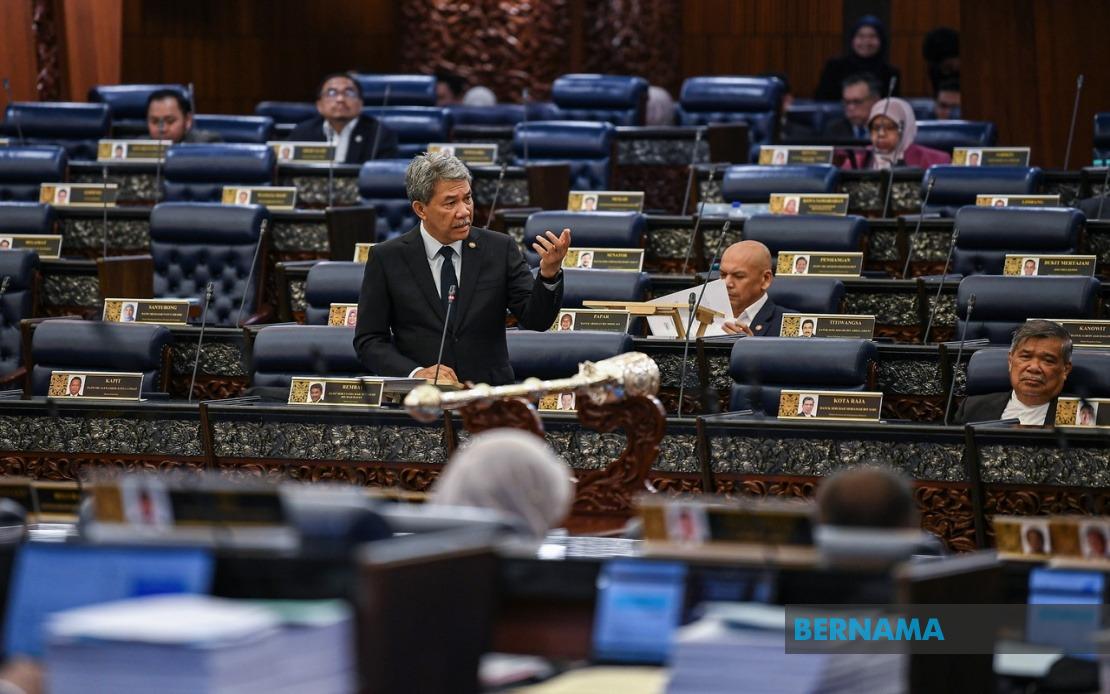
The Malaysian government has moved to quell public concerns about the management of its aid programme for Palestinians, with Foreign Minister Datuk Seri Mohamad Hasan providing detailed assurances to Parliament about the financial controls governing the Humanitarian Trust Fund for the People of Palestine (AAKRP). Speaking during Question Time in the Dewan Rakyat on June 23, Mohamad emphasised that allegations questioning how the fund is administered are baseless, pointing to the comprehensive oversight mechanisms in place to ensure accountability.
At the heart of the government's defence is the assertion that the AAKRP operates as a formal government trust account rather than as an independent entity managed by any single organisation. This distinction carries significant weight in Malaysia's governance framework, as it means the fund is subject to the same fiduciary standards and audit requirements that apply to all federal government accounts. Mohamad stressed that this structural arrangement ensures professional management and prevents the kind of organisational autonomy that could potentially create accountability gaps. The fund is therefore bound by the constitutional authority of the Auditor-General and must report regularly to Cabinet ministers, creating multiple layers of oversight.
The Foreign Minister's clarification came in response to a question from Ahmad Tarmizi Sulaiman, a Member of Parliament from Perikatan Nasional, regarding the flow of humanitarian assistance to Palestinian recipients. Mohamad did not shy away from the sensitive nature of the query, instead choosing to provide granular detail about the mechanisms through which Malaysian assistance reaches those in need. This transparency approach suggests an attempt to build public confidence through specificity rather than broad reassurances alone.
A critical element of Malaysia's humanitarian delivery system is the choice of intermediaries through which funds are channelled. Rather than transferring resources directly to Palestinian authorities or localised organisations, Malaysia routes its assistance through established international bodies and regional organisations with established credibility. The United Nations Relief and Works Agency for Palestine Refugees in the Near East (UNRWA) serves as a primary conduit, alongside the Jordan Hashemite Charity Organisation (JHCO), the Palestine Red Crescent Society, and King Hussein Hospital. This diversified approach spreads responsibility across multiple agencies and creates cross-institutional verification that funds are deployed appropriately.
Beyond financial transfers, Malaysia has also demonstrated its commitment through the delivery of tangible humanitarian goods. Mohamad outlined that Malaysia has supplied food provisions, medical supplies, and health-related equipment directly to Gaza. Some of these shipments had experienced delays in reaching their destination, but the Foreign Minister reported that recent deliveries have resumed successfully following the establishment of overland humanitarian corridors in coordination with Egyptian authorities. This development underscores the logistical complexities involved in delivering aid to Gaza, where infrastructure constraints and geopolitical considerations often impede the smooth flow of humanitarian assistance.
The humanitarian crisis in Gaza, according to Mohamad's parliamentary statement, persists at critical levels despite international efforts. The physical devastation across the territory has been extensive, with fundamental infrastructure severely compromised. Hospitals that serve as essential healthcare facilities face significant damage, educational institutions including schools have sustained destruction, and religious buildings including houses of worship have been impacted. This infrastructure damage creates cascading humanitarian consequences, limiting the capacity of local institutions to respond to immediate needs and complicating the absorption of external assistance. Malaysia's aid programmes must therefore account for these structural challenges when designing delivery mechanisms.
For Malaysian policymakers and citizens, the emphasis on transparency reflects broader concerns about accountability in international aid. In recent years, social media has become a conduit for misinformation regarding government programmes, particularly those involving sensitive geopolitical issues. The Foreign Ministry's decision to publicly articulate the governance structures protecting the AAKRP represents a proactive response to this environment. By grounding the explanation in concrete institutional mechanisms—audits, Cabinet reporting, intermediary organisations with international standing—the government attempts to provide verifiable reassurance rather than rhetorical claims alone.
The choice to specifically warn the public against "inaccurate social media claims" carries particular weight in the Malaysian context, where social platforms have proven influential in shaping public opinion on foreign policy matters. The Foreign Minister's statement implicitly acknowledges that misinformation can gain traction and potentially undermine public confidence in legitimate government initiatives. This warning serves both as a rebuttal to specific allegations and as a broader caution about information literacy, particularly regarding complex international humanitarian matters that may not easily lend themselves to social media explanation.
From a Southeast Asian perspective, Malaysia's approach to Palestinian humanitarian assistance reflects the region's broader commitment to supporting causes aligned with non-aligned foreign policy traditions. However, the necessity of defending the AAKRP's management in Parliament suggests that domestic political scrutiny extends even to initiatives with significant regional and international dimensions. This tension between external commitment and internal accountability represents a feature of governance in democracies like Malaysia, where foreign policy decisions remain subject to parliamentary question and public debate.
The coordination with Egyptian authorities regarding humanitarian corridors also highlights the importance of regional diplomatic channels in facilitating assistance to Gaza. Malaysia's reliance on Egyptian cooperation to establish overland routes underscores the reality that humanitarian delivery depends on relationships between neighbouring states and broader geopolitical actors. For Malaysian readers following the situation, this detail illustrates how foreign policy challenges often require multi-stakeholder coordination that extends beyond bilateral relationships.
Moving forward, the government's emphasis on transparency may establish a precedent for how Malaysia communicates about similar humanitarian initiatives. As humanitarian crises continue to emerge globally, the mechanisms demonstrated in the AAKRP case—combination of government oversight, international intermediaries, and public accountability—may serve as a template for future Malaysian aid programmes. The parliamentary discussion also signals that Malaysia intends to maintain its humanitarian engagement with Palestine despite logistical and political complexities, provided that such engagement can be conducted through verifiable, accountable channels that withstand public scrutiny.