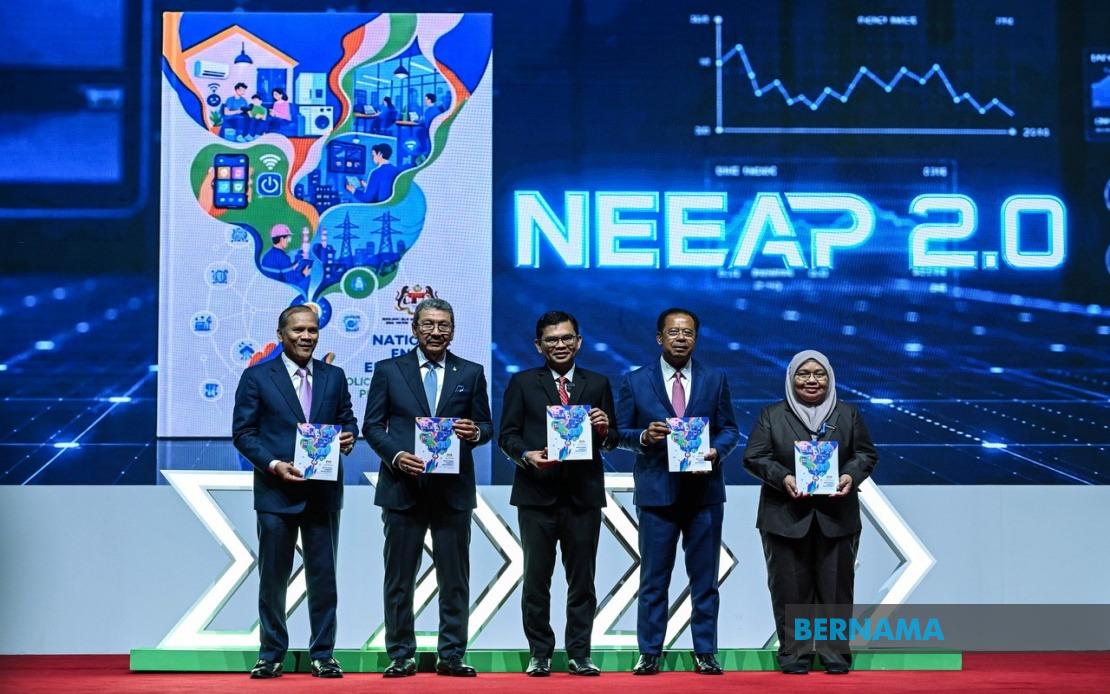
Malaysia has taken a significant step forward in its energy transition journey by launching the National Energy Efficiency Policy and Action Plan 2026-2035 (NEEAP 2.0), a comprehensive framework designed to overhaul how the nation manages electricity and thermal energy consumption. The Ministry of Energy Transition and Water Transformation (PETRA) projects that the decade-long initiative will deliver RM85 billion in net energy savings while simultaneously channelling RM36 billion in private sector investment into the economy, positioning efficiency improvements as a driver of both environmental and economic prosperity.
The ambitious targets embedded within NEEAP 2.0 reveal the scale of Malaysia's commitment to decarbonisation. By 2035, the policy is anticipated to eliminate the equivalent of 26 million tonnes of carbon dioxide from the atmosphere, a reduction that underscores the nation's broader aspiration to achieve net-zero emissions by 2050. This environmental outcome translates directly into tangible improvements in air quality and climate resilience across the region, with downstream benefits extending to public health and agricultural productivity. For Malaysian readers concerned about the mounting impacts of climate change on monsoon patterns and coastal cities, these emissions reductions represent meaningful progress toward stabilising the country's climate trajectory.
What distinguishes NEEAP 2.0 from its predecessor is the depth of ambition underpinning its efficiency targets. The policy sets a goal of improving electricity and thermal energy efficiency by 11.6 per cent relative to a business-as-usual baseline, a metric that reflects cumulative energy savings of 815,000 terajoules over the planning period. To contextualise this figure for Malaysian audiences, PETRA notes that this quantity of energy would theoretically supply the entire electricity requirements of Peninsular Malaysia for nearly two years, highlighting the transformative potential of efficiency investments at scale. The sheer magnitude of these projected savings demonstrates that efficiency is not a marginal concern but rather a central pillar of the nation's energy security strategy.
Employment generation represents another pillar of NEEAP 2.0's appeal across socioeconomic divides. The initiative is expected to create approximately 29,000 new job opportunities across industrial, commercial, and residential sectors, ranging from energy auditors and retrofit specialists to project managers and green technology installers. These positions promise meaningful career pathways for Malaysian workers seeking entry into high-growth industries, with wages typically exceeding those in conventional sectors. For policymakers grappling with youth unemployment and skills mismatches, this employment trajectory offers a constructive alternative to overseas migration, anchoring talent retention within Malaysia's borders.
The sectoral scope of NEEAP 2.0 reflects strategic prioritisation of Malaysia's economic engines. The policy places particular emphasis on high-impact sectors that drive national growth, recognising that efficiency gains in manufacturing, petrochemicals, data centres, and hospitality will yield outsized returns in terms of both cost reduction and competitiveness. By improving energy intensity across these capital-intensive industries, Malaysian enterprises can lower production costs and enhance margins, making them more competitive in regional and global markets. This efficiency-driven cost advantage becomes especially valuable in labour-intensive industries where Malaysia competes with lower-wage economies in Southeast Asia.
The financial attraction of NEEAP 2.0 extends beyond the RM36 billion in anticipated private investment. The accumulation of RM85 billion in net energy savings effectively represents a massive wealth transfer from energy bills to productive investment and household consumption. For households, reduced electricity costs translate into higher disposable income, stimulating demand for goods and services across the economy. For businesses, lower energy outlays improve profit margins and free capital for expansion, research and development, and workforce training. This multiplier effect—wherein energy savings circulate through the economy as purchasing power—reinforces the case for efficiency as an inclusive development strategy that benefits consumers, producers, and the public exchequer simultaneously.
Alignment with the Malaysia MADANI framework underscores the government's intent to embed efficiency within a holistic vision of sustainable prosperity. MADANI's emphasis on people-centred development, low-carbon growth, and resource sustainability finds natural expression in NEEAP 2.0's three-pronged approach addressing industrial, commercial, and domestic consumption patterns. By fostering an efficiency culture across all segments of society, the policy moves beyond top-down mandates toward behavioural change and voluntary uptake. This cultural shift acknowledges that durable energy transitions require buy-in from households and small enterprises, not merely large industrial actors, creating a foundation for sustained progress beyond 2035.
The timing of NEEAP 2.0's launch—coinciding with the 7th International Sustainable Energy Summit—positions Malaysia as a serious participant in global energy transition conversations. The policy signals to international investors, technology partners, and climate-conscious consumers that Malaysia is committed to integrating efficiency into its competitive identity. This reputational positioning carries tangible benefits: green-certified Malaysian exports command premium prices in developed markets, foreign direct investment in clean technology tends to concentrate in jurisdictions with credible efficiency frameworks, and participation in international sustainability initiatives opens doors to concessional financing and technical cooperation.
Implementation success will ultimately depend on institutional capacity and regulatory coherence. PETRA's responsibility for coordinating efforts across the industrial, commercial, and residential sectors necessitates strong inter-ministerial coordination, particularly with the Ministry of Natural Resources and Environmental Sustainability and the energy regulator, Suruhanjaya Tenaga. Building institutional capability to monitor compliance, verify claimed savings, and adapt implementation pathways as technologies and market conditions evolve represents a complex undertaking. Malaysia's track record with large-scale energy infrastructure projects suggests the capability exists, though execution risks around financing, technical expertise distribution, and stakeholder alignment merit close observation.
Regional implications merit consideration as well. Within Southeast Asia, Malaysia's NEEAP 2.0 may catalyse comparable policy development in neighbouring economies, particularly those wrestling with energy security challenges and carbon reduction commitments. Should Malaysia successfully deliver on its NEEAP 2.0 targets, the country becomes a reference point for other ASEAN members designing their own efficiency frameworks. Conversely, setbacks or shortfalls would signal to regional peers that aggressive efficiency targeting requires resources and institutional sophistication that not all economies possess, potentially dampening broader regional transition ambitions.
Looking ahead, NEEAP 2.0 establishes measurable milestones against which progress can be tracked and course corrections implemented. The RM85 billion net savings target, 29,000 jobs benchmark, and 26 million tonne CO2 reduction commitment provide concrete anchors for accountability. Regular progress reporting and independent verification of claimed savings will be essential to maintain credibility and ensure that the policy delivers tangible benefits to Malaysian households, businesses, and the environment rather than remaining aspirational rhetoric detached from implementation reality.

