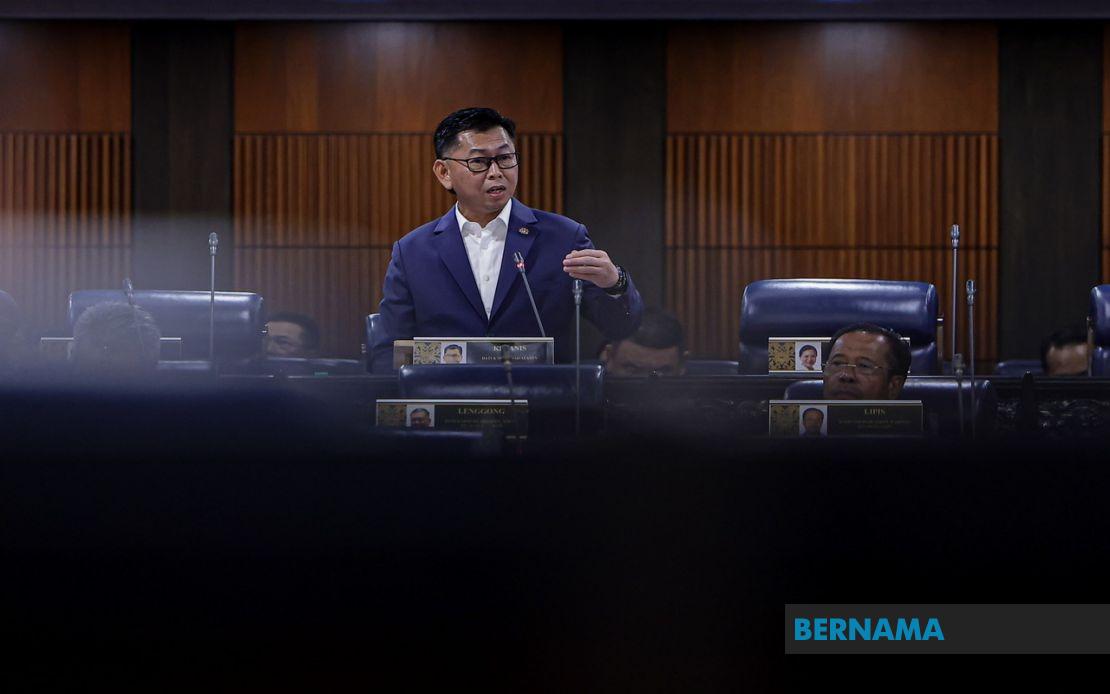
Malaysia's Ministry of Entrepreneur and Cooperatives Development (KUSKOP) is moving forward with an ambitious strategic framework targeting 2030 to revitalise the nation's micro, small and medium-sized enterprises in the digital economy. The initiative responds to mounting challenges faced by local merchants competing against international sellers who benefit from significantly lower operational overheads. Deputy Minister Datuk Mohamad Alamin outlined the plan during parliamentary question time on June 24, emphasising that the strategy seeks to fundamentally reshape how Malaysian MSME operators engage with digital markets whilst building resilience against unforeseen disruptions.
The structural disadvantages confronting domestic digital entrepreneurs have become increasingly apparent as foreign competitors leverage economies of scale and favourable cost structures to undercut local pricing and accelerate market penetration. KUSKOP's strategic response acknowledges that protecting small traders requires more than temporary subsidies or temporary market interventions. Rather, the ministry envisions a comprehensive transformation that equips entrepreneurs with better tools, platforms, and financial resources to sustain operations over the long term. This positions digital competitiveness not merely as a sectoral concern but as a fundamental component of Malaysia's broader economic development objectives.
Central to the ministry's implementation strategy is MyMall, a government-backed e-commerce platform launched in 2022 that eliminates storefront rental expenses entirely. This zero-cost marketplace model has attracted substantial uptake, with 5,776 traders and cooperatives registered as of May 31. The cumulative sales generated through MyMall reached RM24.5 million, demonstrating that even without heavy marketing investment, merchants recognise the platform's value proposition. By removing the traditional overhead burden of securing physical retail locations or paying e-commerce platform commissions, KUSKOP has effectively lowered the entry barrier for entrepreneurs seeking to establish or expand digital operations.
Beyond marketplace infrastructure, KUSKOP has recognised that success in digital commerce increasingly demands sophisticated content creation and livestream capabilities. Through its partnership with TikTok Shop via Tekun Nasional, the ministry provides access to professional livestream studio facilities at no cost to qualifying entrepreneurs. The adoption rate speaks to genuine demand: over 1,054 digital entrepreneurs have utilised these facilities, collectively generating sales exceeding RM35 million. This initiative addresses a critical gap in the ecosystem, as livestream commerce has emerged as one of Southeast Asia's fastest-growing retail channels. By democratising access to professional broadcasting infrastructure, KUSKOP enables smaller traders to compete with larger retail operations on a more even playing field.
The ministry's commitment extends to Malaysia's rural regions, where digital access and entrepreneurial capacity remain concentrated in urban centres. Through the Jajahan Rakyat programme administered by Bank Rakyat, KUSKOP has supported the digitalisation of 627 rural entrepreneurs with a substantial financing allocation of RM610.6 million. This investment reflects recognition that geographical dispersion should not determine economic opportunity. Rural merchants possess unique products and cultural authenticity that appeal to both domestic consumers seeking authentic experiences and international buyers interested in Malaysian handicrafts and traditional goods. By coupling financial support with digital enablement, the programme addresses the dual challenge of capital scarcity and technological literacy in underserved areas.
The parliamentary exchange that prompted these disclosures came from Kinabatangan MP Mohd Kurniawan Naim Moktar, who specifically queried whether the government would implement protective mechanisms or preferential policies explicitly favouring local traders. Mohamad's response implied that KUSKOP's strategy emphasises capability-building and cost equalisation rather than tariff-style protections or discriminatory market mechanisms. This approach carries significant implications for Malaysia's regional trade commitments and WTO obligations, whilst aligning with principles of competitive advantage rooted in genuine productivity improvements rather than artificial barriers.
The distinction between these policy approaches carries weight for Southeast Asian economic integration. Countries across ASEAN are grappling with how to support domestic merchants without triggering retaliatory measures from trading partners or breaching regional free trade agreements. Malaysia's focus on infrastructure provision, skills enhancement, and cost reduction through government platforms represents a defensible model that strengthens local competitiveness through genuine improvement rather than protectionist measures. This framework could serve as a reference model for other emerging economies seeking similar objectives.
The digital commerce landscape in which these entrepreneurs operate has fundamentally shifted post-pandemic. Livestream shopping, short-form video content integration, and social commerce have become primary channels for reaching consumers, particularly younger demographics. Foreign entrants have rapidly adapted to these trends, often deploying substantial capital to build influencer networks and content creation teams. Malaysian entrepreneurs, constrained by limited marketing budgets, risk marginalisation unless equipped with comparable distribution channels and production capabilities. KUSKOP's livestream studio partnership and MyMall marketplace represent efforts to level this particular playing field.
However, the sustainability of these initiatives depends on several factors beyond the ministry's direct control. The success of MyMall and livestream facilities relies on consistent merchant engagement and platform visibility. Without effective marketing and discovery mechanisms, even zero-cost platforms may struggle to attract and retain vendors. Additionally, the financing provided through Bank Rakyat requires that borrowers generate sufficient cash flow to service debt obligations. If underlying business models remain uncompetitive or market demand proves insufficient, expanded credit access alone cannot guarantee success.
Looking forward, the MSME Strategic Plan 2030 faces the challenge of scaling these initiatives across Malaysia's estimated 1.4 million small and medium enterprises whilst maintaining quality and programme effectiveness. Regional competition from Singapore's fintech ecosystem, Thailand's digital commerce infrastructure, and Vietnam's manufacturing-linked e-commerce platforms suggests that Malaysian advantage derives primarily from proximity to high-income consumer markets and cultural affinity with regional audiences. The ministry's strategy implicitly bets on these structural advantages combined with targeted capability-building to drive competitive success.
The broader context matters considerably for Malaysian stakeholders. ASEAN's digital economy is projected to exceed US$363 billion by 2025, with e-commerce representing one of the fastest-growing segments. Malaysia's performance in capturing and retaining value creation within this expansion significantly influences employment, income distribution, and regional economic status. KUSKOP's strategic plan represents a measured attempt to ensure that domestic entrepreneurs—rather than solely international platforms and foreign merchants—benefit from this growth trajectory. Success requires sustained implementation, periodic strategy refinement based on market feedback, and complementary policies addressing skills development, logistics infrastructure, and consumer credit availability.