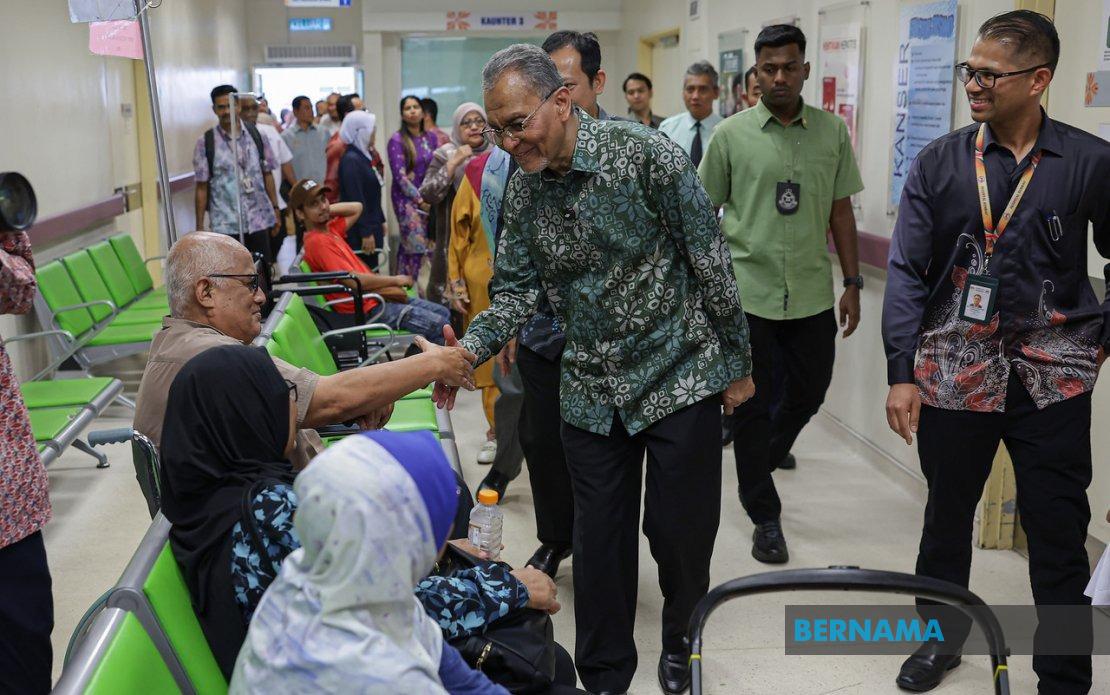
Malaysia's Health Ministry is moving forward with developing comprehensive workplace mental health policies, with Health Minister Datuk Seri Dr Dzulkefly Ahmad signalling completion of the draft framework by September or October. The announcement came during the ministry's 2026 Merdeka Celebration programme in Negeri Sembilan, where Dr Dzulkefly outlined the government's commitment to addressing mental well-being in professional settings across the country.
The extended timeline reflects the ministry's intention to conduct thorough consultations before finalising guidelines. Key stakeholders involved in the engagement process include the Ministry of Human Resources (KESUMA), the Department of Occupational Safety and Health (DOSH), the Malaysian Employers Federation (MEF), and the Malaysian Trades Union Congress (MTUC). This multi-stakeholder approach acknowledges that effective workplace mental health measures require input from employers, workers' representatives, occupational safety specialists, and government bodies to ensure practical implementation.
Dr Dzulkefly emphasised that the policy development represents more than a bureaucratic exercise; rather, it addresses a pressing national health concern. Mental health challenges in Malaysian workplaces have gained increasing attention in recent years, with anecdotal reports suggesting rising stress, burnout, and psychological distress among employees across sectors. By formalising workplace mental health into government policy, Malaysia joins countries recognising that employer responsibility extends beyond wages and working conditions to encompass psychological safety.
The proposed framework will extend significantly beyond basic counselling services, according to the Health Minister. Instead, the policy intends to address holistic well-being by incorporating work-life balance considerations, establishing robust support mechanisms for employees, and creating structural conditions that protect mental health. This holistic approach recognises that mental well-being depends on multiple factors including workload management, flexible arrangements, and organisational culture rather than relying solely on reactive counselling after problems emerge.
Capacity-building within workplaces forms another central component. The policy aims to equip organisations with the knowledge, resources, and systems necessary to foster mentally healthy environments proactively. Rather than placing responsibility entirely on individuals to manage stress, the framework acknowledges organisational obligation to reduce burnout risks and excessive workloads through structural changes. For Malaysian employers, this signals a shift in expectations regarding duty of care.
The alignment with the United Nations' Sustainable Development Goals underscores the international dimension of this initiative. Malaysia's focus on mental well-being in workplaces contributes to SDG 3 (Good Health and Well-being) and SDG 8 (Decent Work and Economic Growth), positioning the country alongside regional and global efforts to prioritise worker wellness. This framing helps legitimise workplace mental health as a development issue rather than merely a human resources concern.
Simultaneously, Dr Dzulkefly outlined separate but complementary initiatives to strengthen Malaysia's healthcare infrastructure through the cluster hospital concept. Under this model, specialist doctors from leading hospitals provide services across smaller, non-specialist facilities, effectively extending specialist expertise without duplicating expensive infrastructure. This decentralised approach addresses healthcare access disparities between urban and rural regions, allowing more Malaysians to receive specialist care within their communities.
The cluster system will operate in phases, with non-specialist hospitals gradually enhanced to offer selected specialist services based on local demand and feasibility. Importantly, this expansion does not necessarily require constructing new hospital buildings or major additions. Instead, capacity enhancement focuses on deploying human resources, upgrading equipment, and strengthening existing departments. Specialties targeted for expansion include paediatrics, obstetrics and gynaecology, ophthalmology, and ear, nose and throat services—areas with substantial patient demand across Malaysia.
Simultaneously upgrading the primary healthcare foundation ensures that specialist services remain integrated within a comprehensive system. This layered approach prevents specialist centres from becoming isolated from community-level care, maintaining referral pathways and continuity of treatment. For Malaysian patients, the model promises faster access to specialist consultation and treatment without necessarily requiring travel to major urban hospitals.
Dr Dzulkefly's dual announcements—on workplace mental health and healthcare infrastructure—reflect the Health Ministry's broader agenda to address health comprehensively. The workplace mental health policy acknowledges that employment constitutes a major life domain affecting population health, while the cluster hospital system targets healthcare access disparities. Together, these initiatives position preventive and structural approaches alongside treatment provision.
The September-October timeline for the workplace mental health policy draft allows adequate consultation periods, though implementation and refinement will likely extend beyond those dates. Stakeholders including employers and unions will scrutinise specific provisions, particularly regarding obligations on businesses and enforcement mechanisms. The coming months will reveal whether the final policy contains binding requirements or aspirational guidelines.
For Malaysian businesses, particularly multinational corporations and growing local enterprises, the pending policy creates both opportunities and obligations. Organisations that proactively invest in employee mental health may gain competitive advantage in attracting talent and improving productivity. However, compliance requirements—once finalised—will necessitate operational adjustments and potential financial commitments to mental health programmes and workplace modifications.
Regionally, Malaysia's development of formal workplace mental health policy reflects broader Southeast Asian recognition that rapid economic growth and urbanisation create psychological pressures requiring policy attention. As competing economies implement similar frameworks, Malaysian employers who anticipate policy requirements may position themselves advantageously. The policy's completion by October will provide clarity to businesses currently navigating mental health support decisions without national guidelines.

