The Malaysian Health Ministry is pressing forward with efforts to dismantle administrative barriers that have constrained the pipeline for training and developing medical specialists, Health Minister Datuk Seri Dr Dzulkefly Ahmad announced on June 19 in Putrajaya. The minister acknowledged that bureaucratic constraints exist within the system but assured stakeholders that these obstacles are being systematically addressed as the ministry enters the final phase of implementing corrective measures.
The shortage of specialists in Malaysia has emerged as a pressing concern for the healthcare system's capacity to accommodate escalating patient demand. Current estimates indicate that the country is short by approximately 11,000 specialists when accounting for both the public and private healthcare sectors combined. This deficit reflects structural challenges in medical workforce planning and has prompted the ministry to expedite its resolution of systemic issues that impede the progression of trainees through specialist accreditation pathways.
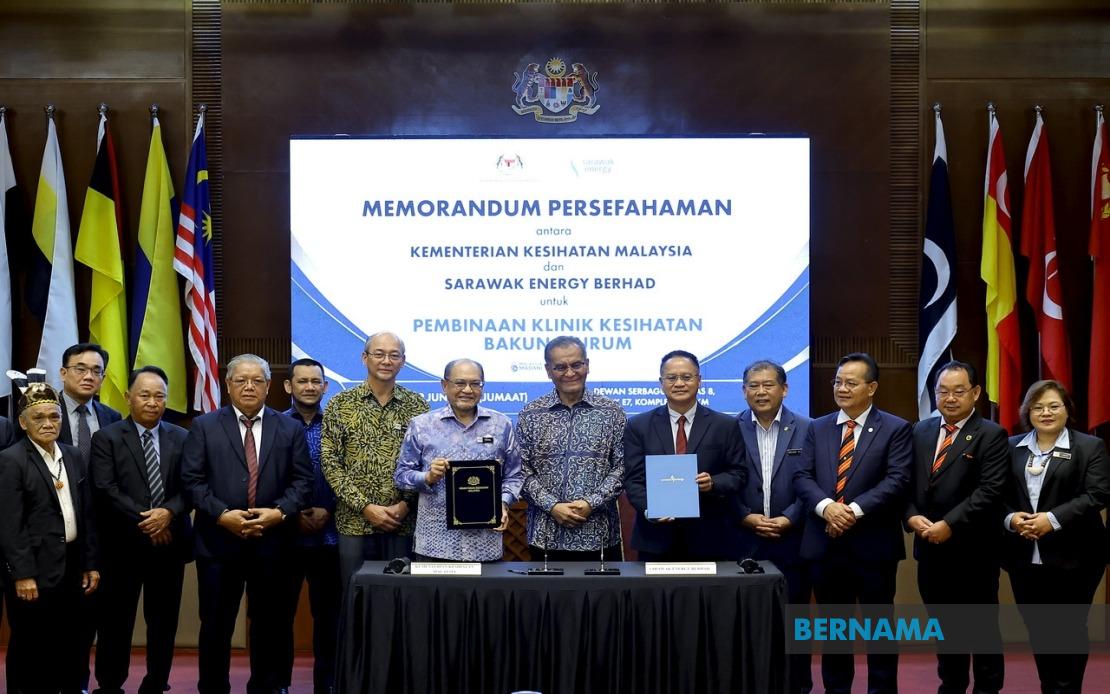
Dr Dzulkefly's comments came during a press conference following the signing of a memorandum of understanding between the MoH and Sarawak Energy for construction of the Bakun-Murum Health Clinic. The occasion provided a platform to discuss broader healthcare workforce challenges extending beyond the specific project. The minister's acknowledgment of identified bottlenecks signals a recognition that systemic reform is necessary to accelerate specialist production and strengthen the nation's medical infrastructure.
The ministry's approach to expanding the specialist workforce incorporates a deliberate synchronisation between staff expansion and physical infrastructure development. This phased strategy acknowledges that recruiting and training additional specialists without corresponding investments in healthcare facilities would be counterproductive. The ministry recognises that specialists require adequately equipped hospitals, diagnostic equipment, and operational resources to function effectively, making parallel infrastructure investment essential to workforce expansion initiatives.
Dr Dzulkefly emphasised that specialist workforce development must proceed incrementally and align with identified healthcare priorities and current service demands. Rather than pursuing rapid expansion that could overwhelm existing systems, the ministry is implementing staged increases in specialist numbers. This calculated approach allows healthcare facilities to integrate new specialists, establish mentorship relationships, and accommodate additional patient volume without destabilising operational continuity.
Pending the implementation of more comprehensive long-term solutions, the Ministry has deployed a cluster crisis management system as an intermediate measure. This framework facilitates coordination among hospitals operating within geographic clusters and their associated primary health clinics. Through this mechanism, healthcare facilities can strategically redeploy personnel, optimise workforce distribution based on immediate operational requirements, and reorganise staff responsibilities in response to fluctuating patient loads and emerging clinical priorities.
The cluster approach represents a pragmatic response to workforce pressures while structural reforms progress. By enabling hospitals to coordinate resource allocation across networks rather than operating in isolation, the system improves flexibility and resilience. Clinics and secondary facilities within clusters can channel patients to appropriately equipped tertiary hospitals while larger facilities can redistribute specialists to address surges in particular service areas. This interconnected model maximises the utility of existing specialist workforce while permanent solutions are finalised.
Maintaining uninterrupted healthcare service delivery remains the ministry's paramount objective throughout this transition period. Dr Dzulkefly acknowledged the considerable strain experienced by medical personnel working within constrained systems but framed the interim measures as necessary stopgaps. The recognition that healthcare workers face pressures related to workforce shortages and infrastructure limitations underscores the urgency with which the ministry is addressing these systemic issues.
For Malaysian healthcare stakeholders, the ministry's acknowledgment of specialist shortage and commitment to phased resolution provides both reassurance and context for ongoing service challenges. Patients may experience referral patterns reflecting cluster-based resource management, while healthcare professionals understand that structural improvements are being prioritised. The timeline for resolving bureaucratic constraints and implementing comprehensive solutions remains fluid, but the ministry's progression to final stages suggests acceleration in the near term.
The specialist shortage reflects broader trends affecting Southeast Asian healthcare systems as demand outpaces supply. Malaysia's strategy of linking workforce expansion to infrastructure development contrasts with approaches pursued by other regional nations and merits observation by neighbouring countries facing similar deficits. The phased cluster model also offers potential as a replicable framework for optimising existing resources across healthcare networks, particularly in lower-income settings where specialist availability remains constrained.