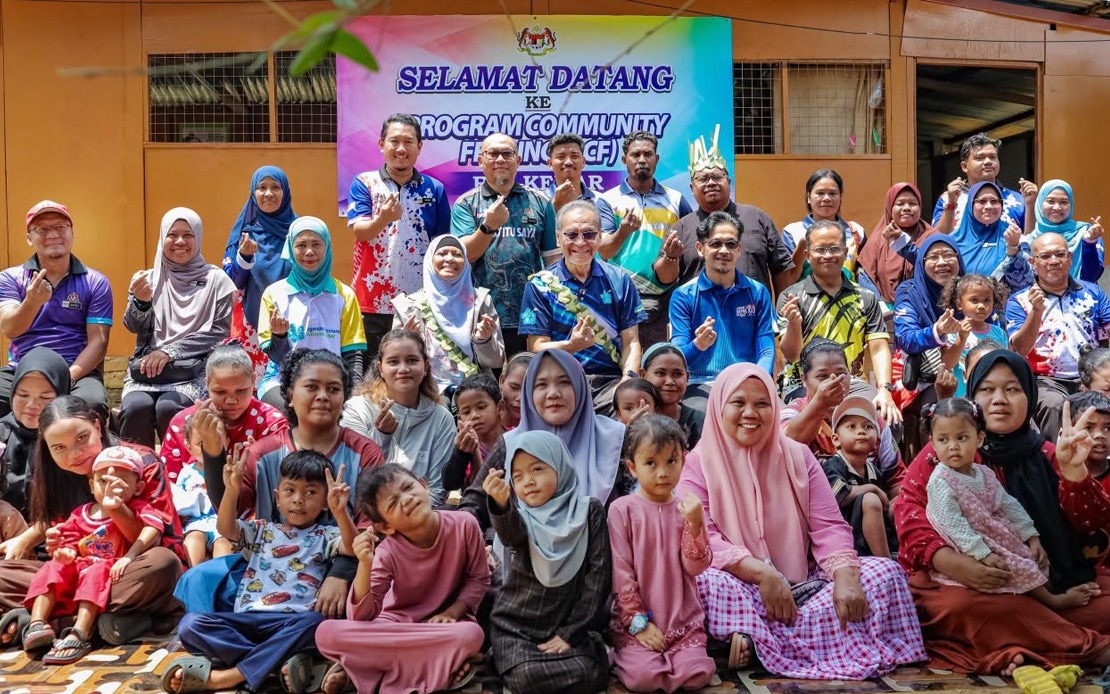
The Ministry of Health has committed RM500,000 to modernise the Kemar Health Clinic in Gerik, addressing long-standing infrastructure deficiencies that have hampered healthcare delivery to the Orang Asli communities in the region. Health Minister Datuk Seri Dr Dzulkefly Ahmad announced the decision during a recent visit to Hulu Perak, where he inspected existing facilities and engaged with healthcare personnel working in challenging terrain. The allocation represents a significant step toward fulfilling the Malaysia MADANI principle that healthcare remains a fundamental right regardless of geographic obstacles or economic circumstances.
A cornerstone of the upgrade involves constructing a new Boat Storage Facility to replace the existing infrastructure, which has exceeded its serviceable life at over 11 years old. The current structure has become increasingly difficult to maintain and can only accommodate a single vessel, creating operational bottlenecks for healthcare delivery in an area where waterways are the primary transport route. This limitation directly impacts the ability of medical teams to respond swiftly to emergencies and conduct regular health outreach programmes across scattered Orang Asli settlements. The new facility will substantially expand capacity and enable better preservation of vessels essential to riverine healthcare operations.
The funding allocation also encompasses procurement of essential operational assets, including a four-wheel-drive vehicle to retire an ageing unit that has become unreliable for accessing remote settlements accessible by land. Critically, the ministry will acquire specialised medical equipment including a Video Laryngoscope, a sophisticated device that enables intubation procedures in emergency situations where airway management is necessary. Such equipment had previously been unavailable at this remote facility, forcing healthcare workers to improvise during medical crises. The acquisition addresses a significant capability gap that has constrained the clinic's ability to handle severe respiratory emergencies.
Complementing these infrastructure improvements, the ministry has deployed the Medik 8 Boat, a 12-passenger multipurpose vessel valued at RM350,000, at the Belum Rainforest Resort Jetty. This addition to the existing fleet of six boats substantially enhances emergency response capacity for the 4,500 Orang Asli residents living within the RPS Kemar settlement vicinity. By reducing transit times to reach patients in outlying communities, the new boat bridges a critical gap between advanced medical care available at centralised facilities and the distributed population requiring urgent intervention. The vessel's multipurpose design enables its deployment for routine clinic visits, emergency evacuations, and supply deliveries.
Dr Dzulkefly's announcement underscores the paradox facing remote healthcare systems: sophisticated equipment and vehicles prove worthless without committed personnel willing to navigate treacherous river conditions and unpredictable weather. The Health Minister explicitly acknowledged the dedication of doctors, nurses, and boat operators who routinely risk their safety to fulfil healthcare obligations in an environment where natural hazards present daily challenges. This recognition reflects an understanding that healthcare infrastructure upgrades constitute only half the equation; retaining experienced personnel willing to work in isolated settings remains equally crucial for sustained service quality.
The planned construction of a new Kemar Health Clinic designated as Type 5 facility represents another dimension of the modernisation agenda. This upgraded clinic will provide residents with contemporary amenities, expanded service capacity, and improved comfort compared to current facilities, transforming healthcare access from basic emergency response to comprehensive primary care. The timeline for this construction project, while not specified in current announcements, suggests recognition that incremental upgrades have reached their limits and wholesale facility replacement has become necessary.
Paralleling infrastructure development, the ministry continues implementing the Community Feeding Programme at RPS Kemar, a targeted nutritional intervention serving Orang Asli children between six months and six years of age. The programme combines active feeding protocols with provision of full-cream milk, multivitamins, and Ready-to-Use Therapeutic Food specifically formulated for treating malnutrition cases. Over its decade-long implementation from 2015 to 2025, this initiative has produced measurable improvements in child health outcomes that validate investment in preventive nutrition.
The nutritional intervention results demonstrate how focused public health investment can reverse entrenched health disparities. The stunting rate—a key indicator of chronic malnutrition—has declined dramatically from 75.2 percent to 50.8 percent, while the underweight rate decreased from 43.7 percent to 25.2 percent. These improvements suggest that sustained funding and programme consistency can meaningfully alter population health trajectories among vulnerable communities. The gains, while substantial, also indicate that further progress requires continued commitment and potentially enhanced interventions.
These developments carry broader implications for rural and indigenous healthcare delivery across Southeast Asia. Malaysia's approach—combining infrastructure investment, modern medical technology, and evidence-based nutritional programmes—demonstrates that geographic remoteness need not condemn populations to inadequate healthcare. The emphasis on understanding local transportation realities and designing solutions accordingly offers lessons for other nations managing healthcare for dispersed populations in challenging environments. However, the persistence of significant nutritional deficits even after a decade of intervention suggests that healthcare improvements must address underlying socioeconomic factors beyond clinical services.
The allocation to Kemar Health Clinic reflects a broader policy shift recognising Orang Asli communities as stakeholders deserving equitable resource distribution rather than marginal recipients of residual services. By investing in permanent infrastructure, modern equipment, and dedicated transport capacity, the ministry signals commitment to integrated healthcare access. This approach potentially sets precedent for similar investments in other underserved communities throughout Peninsular Malaysia and East Malaysia where geographic barriers similarly obstrain service delivery.
Looking forward, the success of upgraded Kemar facilities will depend critically on sustained operational funding, maintenance protocols, and personnel retention strategies. Infrastructure investments remain vulnerable without adequate recurrent budgets for fuel, equipment servicing, and staff incentives. The Health Ministry must therefore ensure that capital allocations align with recurrent budget commitments. Furthermore, community engagement in facility management and healthcare planning can enhance utilisation and sustainability of these improvements, transforming infrastructure from external projects into integrated community assets.

