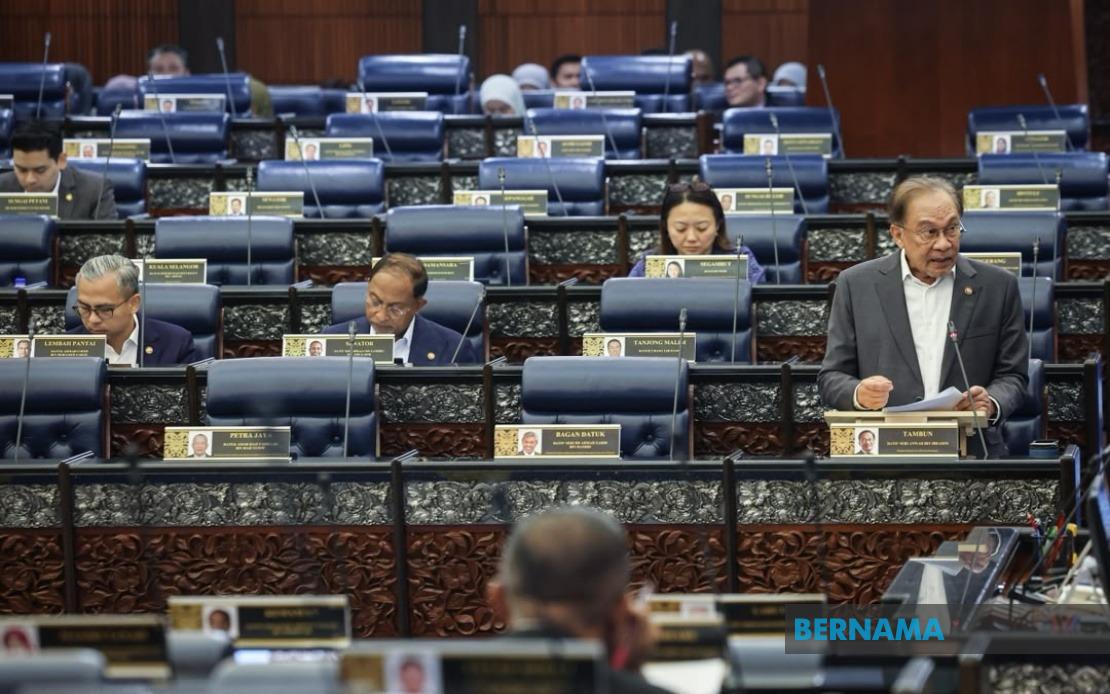
Prime Minister Datuk Seri Anwar Ibrahim has pushed back against criticism of Malaysia's fuel price structure, declaring that motorists in the country continue to enjoy more competitive rates than those available in wealthy oil-producing states. Speaking in parliament on July 14, Anwar pointed to comparative pricing data to demonstrate that the government's BUDI MADANI subsidy scheme has successfully maintained affordable fuel costs for Malaysian consumers at a time when global energy markets remain volatile and uncertain.
Under the BUDI MADANI initiative, RON95 petrol remains pegged at RM1.99 per litre, a price point that Anwar emphasised sits well below current market rates in neighbouring and regional oil producers. In Saudi Arabia, the world's largest crude exporter and a nation with vast hydrocarbon reserves, retail petrol prices have climbed above RM2.40 per litre, representing a substantial premium over what Malaysian drivers pay at the pump. This differential underscores the effectiveness of Malaysia's targeted subsidy approach, which seeks to insulate consumers from volatile international petroleum markets while balancing government finances.
The Prime Minister's comments addressed recurring political criticism regarding fuel affordability, particularly comparisons drawn to the era under former administration leader Datuk Seri Najib Razak. Opposition figures and some analysts have questioned whether Malaysia's current pricing structure truly reflects the nation's position as an energy-producing country, suggesting that domestic costs should be even lower relative to regional competitors. However, Anwar's parliamentary statement reframed the narrative, emphasising that Malaysia's actual performance contradicts claims that fuel prices have become uncompetitive on a regional basis.
The comparison extends beyond Saudi Arabia to include other Gulf Cooperation Council members. Qatar, another major liquefied natural gas exporter and one of the world's wealthiest nations by per capita income, similarly charges consumers more for petrol than Malaysia does. The United Arab Emirates, which only two months prior to Anwar's statement implemented a price increase for fuel despite possessing substantial oil and gas production capabilities, also finds itself with costlier petrol than Malaysian consumers encounter. These examples collectively demonstrate that even nations with significantly greater energy wealth and production capacity have chosen to allow retail fuel prices to reach levels substantially higher than the Malaysian government's RM1.99 benchmark.
The debate touches on a political commitment Anwar made whilst in opposition, when he pledged to reduce fuel prices to RM1.50 per litre if his coalition won power. That particular promise reflected broader dissatisfaction with fuel costs under the previous administration, when prices had fluctuated considerably. At the time Anwar made that pledge, Saudi Arabia's retail petrol price stood at approximately 50 sen per litre, creating a dramatically different global context. The world energy landscape has shifted substantially since then, with crude oil markets experiencing considerable volatility influenced by geopolitical tensions, production decisions by major exporters, and demand dynamics.
The BUDI MADANI programme itself represents a deliberate policy choice to maintain price stability for consumers whilst managing government expenditure on energy subsidies. Rather than allowing market forces to determine pump prices entirely, Malaysia's approach prioritises social stability and affordability for ordinary households and small businesses that depend on transport fuel. This model differs from some regional neighbours that have progressively liberalised fuel pricing or implemented dynamic pricing mechanisms that adjust more frequently based on international benchmarks.
Understanding the Malaysian fuel pricing debate requires recognising the tension between several competing objectives. The government seeks to provide affordable energy access to citizens, maintain fiscal sustainability given the costs of subsidisation, support economic competitiveness by keeping transport costs reasonable, and respond to international market realities. The BUDI MADANI subsidy scheme attempts to balance these priorities by holding one fuel grade at a politically and socially acceptable price whilst allowing flexibility in other market segments.
The parliamentary exchange highlighted how fuel pricing remains a sensitive political issue in Malaysia, with opposition figures continuing to scrutinise the government's record against past commitments and international comparisons. However, Anwar's data-driven response suggests the government believes its current approach withstands objective scrutiny when evaluated against comparable countries. For Malaysian consumers and businesses, the practical reality is that they benefit from a fuel price structure that, whatever its limitations, offers better value than their counterparts in several wealthy neighbouring nations.
Looking forward, Malaysia's fuel pricing strategy will likely remain contested terrain in political discourse, particularly if international oil prices experience further volatility or if regional neighbours adjust their own pricing structures. The government's ability to maintain the RM1.99 ceiling depends on managing subsidy costs and navigating potential budget pressures. For Southeast Asian observers, Malaysia's approach offers a case study in how energy-exporting nations can employ targeted subsidies as a policy tool whilst remaining mindful of fiscal constraints and international market dynamics that increasingly influence domestic economic management.

