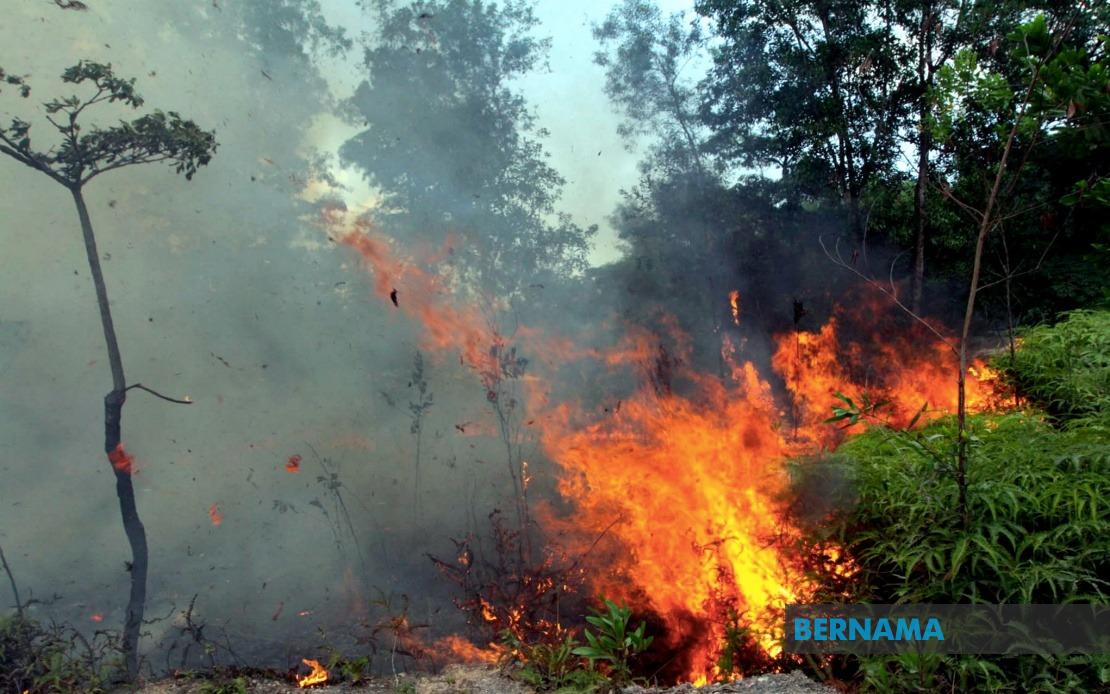
Malaysia's firefighting authorities are undertaking a significant expansion of their operational capabilities to prepare for the anticipated Super El Niño weather system, which climate models suggest will bring extended dry conditions and heightened forest fire risks to Southeast Asia early next year. The Malaysian Fire and Rescue Department, or JBPM, has moved to acquire substantial new equipment, reflecting official concern that the forecasted climatic disruption could create dangerous conditions reminiscent of previous El Niño events that triggered severe regional haze and transboundary smoke pollution affecting multiple countries across the region.
Director-General Datuk Seri Nor Hisham Mohammad outlined the department's acquisition strategy while addressing media after opening the 2026 Fire and Rescue Games in Kuala Lumpur. The procurement includes both heavy and light operational assets designed to expand JBPM's capacity to detect, respond to, and suppress forest fires across Malaysia's diverse landscape. The decision to invest in equipment upgrades underscores the ministry's assessment that existing resources may prove insufficient if the Super El Niño event materializes with the intensity that meteorological projections suggest.
The equipment procurement encompasses 80 fire engine pumps that have already been received, with an additional 40 units expected to arrive by the end of August. These pumps represent critical infrastructure for water delivery during suppression operations, particularly in remote forest zones where access to reliable water sources remains challenging. Beyond these larger vehicles, JBPM has ordered 200 light operational utility vehicles—four-wheel-drive units designed to operate in terrain where conventional equipment cannot effectively penetrate. This dual-asset strategy reflects understanding that forest fire response requires both rapid initial deployment and sustained operational capability.
The lighter vehicles serve a specialized tactical function within the department's response hierarchy. These units are positioned as first responders to smaller fire incidents, deployed ahead of heavier equipment to conduct initial reconnaissance, establish access routes through forested areas, and suppress fires before they escalate beyond manageable proportions. By catching ignition points at their inception, these vehicles can prevent small fires from developing into the large-scale conflagrations that consume vast forest areas and generate transboundary smoke pollution. The mobility advantage offered by these specialized vehicles reflects lessons learned from previous fire seasons when resource limitations prevented rapid response to emerging hotspots.
The timing of the Super El Niño phenomenon carries particular significance for Malaysia and the broader Southeast Asian region. Climate projections indicate that the system will first impact the Pacific Ocean region around late November 2026, with secondary effects reaching Malaysian territory by the end of January 2027. This lag period provides a window for preparatory actions but also means that the most intense fire risk period coincides with the early months of 2027, when the region typically experiences its driest conditions. The convergence of climatic stress and seasonal vulnerability creates a compounded hazard scenario requiring elevated preventive and suppressive capacity.
Nor Hisham emphasized that JBPM's strategic focus remains centered on assessing and mitigating Super El Niño impacts during the anticipated dry season, while simultaneously maintaining operational readiness for fire threats during the Southwest Monsoon period. This dual-focus approach reflects the reality that Malaysian forest fire risks are not confined to a single season but emerge across multiple climatic periods. The department's planning acknowledges that while Super El Niño will present particular challenges, the routine fire management demands of other seasons cannot be neglected or deferred.
Public behavior represents a critical variable in the department's fire prevention calculus. Officials have issued explicit warnings against open burning practices, cautioning that such activities can rapidly escape control during drought-stressed conditions. When vegetation moisture content drops significantly during El Niño-driven dry periods, fires ignited through human activity spread with enhanced velocity and intensity, becoming progressively more difficult for responders to contain. The warnings reflect recognition that equipment and personnel, while essential, cannot substitute for responsible public conduct and adherence to fire safety protocols.
The 2026 Fire and Rescue Games, which provided the occasion for these announcements, serve multiple purposes within JBPM's operational framework. The championship competition featured 11 events and attracted 1,384 competitors from across the department's ranks. Beyond the immediate competitive elements, the games function as a talent-identification platform, with performances providing the basis for selecting athletes to represent Malaysia at the 2027 World Police and Fire Games scheduled to occur in Perth, Australia. This international competition dimension links domestic preparedness activities to regional and global firefighting standards and practices.
The resource investments announced reflect broader regional patterns regarding climate adaptation and disaster risk management in Southeast Asia. El Niño events have historically triggered significant environmental and public health challenges across the region, with forest fires in Indonesia and Malaysia generating smoke that affects air quality and respiratory health across international boundaries. The 2015 El Niño episode demonstrated the severity of potential impacts, motivating subsequent investments in preparedness infrastructure. Malaysia's equipment acquisition represents both a domestic response to anticipated weather patterns and a contribution to regional stability and environmental protection.
From a public safety and environmental perspective, the adequacy of JBPM's preparations will be tested by actual conditions during the 2027 dry season. The success of the new equipment and revised response protocols will depend not only on the quantity and quality of resources deployed but also on coordination with other agencies responsible for forest management, land-use planning, and public communication. The transboundary nature of forest fire impacts means that Malaysia's preparedness exists within a broader regional context where prevention and response activities in neighboring countries substantially influence outcomes within Malaysian territory.
The announcement of equipment procurement also carries implications for inter-agency resource allocation and budgetary priorities within Malaysia's government structure. The commitment to acquire 120 additional fire pumps and 200 light utility vehicles represents a substantial financial commitment during a period when public sector resource constraints are common across Southeast Asian countries. This allocation decision reflects official prioritization of fire management infrastructure relative to competing demands, suggesting that government assessment of Super El Niño risks and anticipated impacts is sufficiently serious to justify significant expenditure.

