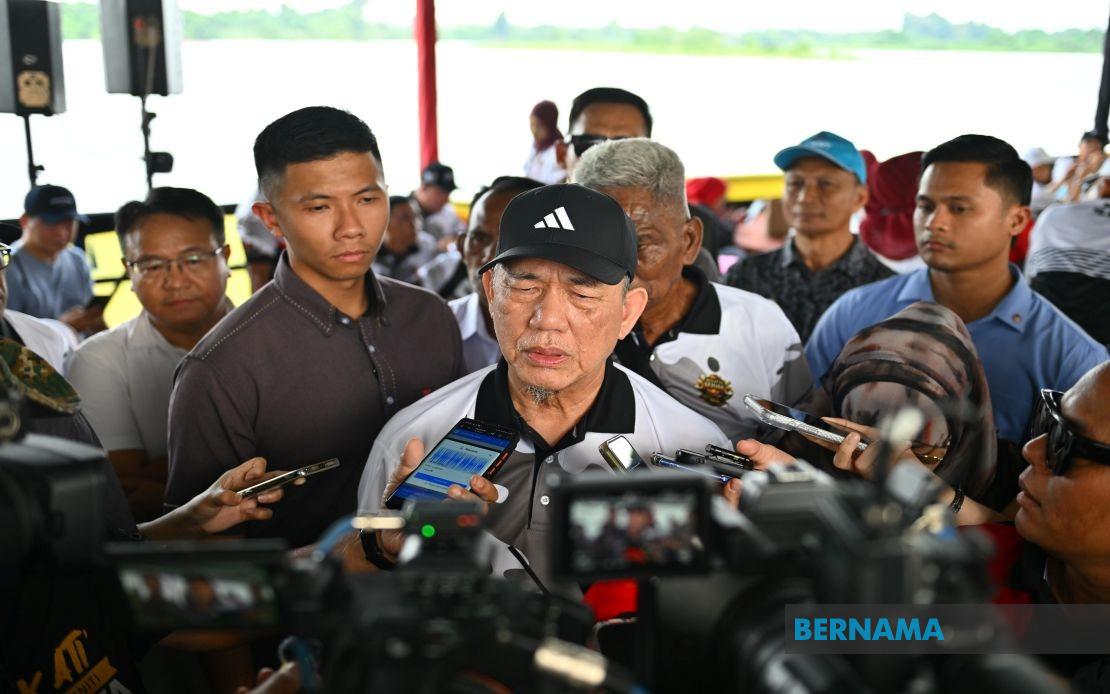
Malaysia's energy sector continues operating with assured supplies as the government maintains vigilant oversight of escalating tensions in the Strait of Hormuz, according to Deputy Prime Minister Datuk Seri Fadillah Yusof. Speaking after attending the closing ceremony of Regatta 2026 at Kampung Sejijak in Kuching on July 12, Fadillah underscored that the nation is not currently facing disruptions to its fuel supplies, a critical assurance at a time when geopolitical flashpoints threaten global energy corridors.
The government has put in place a coordinated response framework involving Petronas and Prime Minister Datuk Seri Anwar Ibrahim, who is leading proactive negotiations across multiple diplomatic and commercial channels. These efforts are specifically designed to insulate Malaysia from potential supply shocks emanating from the volatile Middle East region. Fadillah's statement reflects the administration's determination to shield domestic energy security from external geopolitical turbulence, particularly given Malaysia's substantial dependence on imported crude oil and liquefied natural gas.
The Strait of Hormuz remains one of the world's most critical energy chokepoints, with approximately one-third of global maritime oil trade passing through its waters annually. Any sustained disruption to shipping lanes in this waterway would have immediate repercussions for energy-dependent economies across Asia, including Malaysia. The government's close monitoring of developments in the region signals an understanding that early warning systems and proactive diplomatic engagement are essential to maintaining supply chain resilience.
However, Fadillah, who also serves as Energy Transition and Water Transformation Minister, acknowledged that while supply quantities are secure, the cost dimension presents an ongoing challenge. He emphasized that global price volatility in oil and gas markets continues to exert downward pressure on Malaysia's economic performance, regardless of whether physical supplies are guaranteed. This distinction between supply availability and affordability underscores a nuanced policy reality facing the government.
The minister highlighted that fluctuations in international petroleum prices create cascading effects throughout Malaysia's fiscal framework. Even with adequate supplies flowing into the country, rising costs translate into higher import bills that strain the national balance sheet. These price pressures become particularly acute when coupled with the government's commitment to maintaining subsidies and welfare assistance programmes for ordinary Malaysians, creating competing demands on the federal budget.
Government planners must navigate a delicate balancing act between ensuring long-term financial sustainability and maintaining consumer protection through targeted subsidies. Fadillah's candid acknowledgement of this tension reflects the administration's awareness that simple reassurances about supply adequacy ring hollow if they do not address the purchasing power implications for households and businesses. The challenge extends beyond merely guaranteeing that fuel reaches Malaysian shores to ensuring that the economic burden of volatile global prices does not become prohibitively expensive for ordinary citizens.
The diplomatic and commercial negotiations undertaken by Petronas and the Prime Minister's office operate on multiple fronts. These efforts encompass traditional bilateral energy partnerships, participation in regional energy security forums, and engagement with international oil and gas producers and trading partners. By diversifying Malaysia's energy sourcing relationships and maintaining open communication channels with key suppliers, the government aims to reduce vulnerability to supply disruptions triggered by any single geopolitical incident.
Malaysia's position as both an energy consumer and a hydrocarbon producer creates distinctive strategic considerations. While the nation possesses domestic oil and gas reserves, declining production rates have made Malaysia increasingly reliant on imports to meet energy demands, particularly for electricity generation and transportation fuels. This transition from energy exporter to net importer status underscores the importance of maintaining stable international relationships and reliable access to global energy markets.
The government's emphasis on energy transition and transformation, as reflected in Fadillah's ministerial portfolio, suggests that addressing these vulnerabilities extends beyond short-term crisis management. Longer-term energy security requires investment in renewable energy infrastructure, energy efficiency improvements, and diversification of the electricity generation mix. These initiatives aim to reduce Malaysia's future dependence on volatile global fossil fuel markets and insulate the economy from external energy shocks.
The Strait of Hormuz tensions represent just one of several geopolitical risks that could disrupt Malaysia's energy supplies. Supply chain vulnerabilities, production disruptions at major global oil fields, and shifts in international energy trading patterns all present potential challenges to Malaysia's energy security calculations. The government's multi-layered approach incorporating immediate supply assurances, price management through subsidies, and longer-term structural reforms reflects a comprehensive strategy acknowledging both current challenges and future risks.
For Malaysian consumers and businesses, these policy pronouncements carry practical significance. While supply guarantees provide reassurance that petrol stations will not run dry, the pricing challenge affects everything from household utility bills to industrial production costs. Small and medium enterprises particularly sensitive to energy price movements face continued uncertainty about operating costs, making government clarity on energy price trajectory an important consideration for business planning.
The government's ability to maintain this precarious equilibrium between supply security and fiscal sustainability will significantly influence Malaysia's economic performance in coming years. As the Strait of Hormuz tensions persist and global energy markets remain volatile, the effectiveness of Petronas and the Prime Minister's diplomatic efforts will be tested. Malaysia's experience navigating these challenges may also offer lessons for other Southeast Asian economies grappling with similar vulnerabilities in their energy supply chains.

