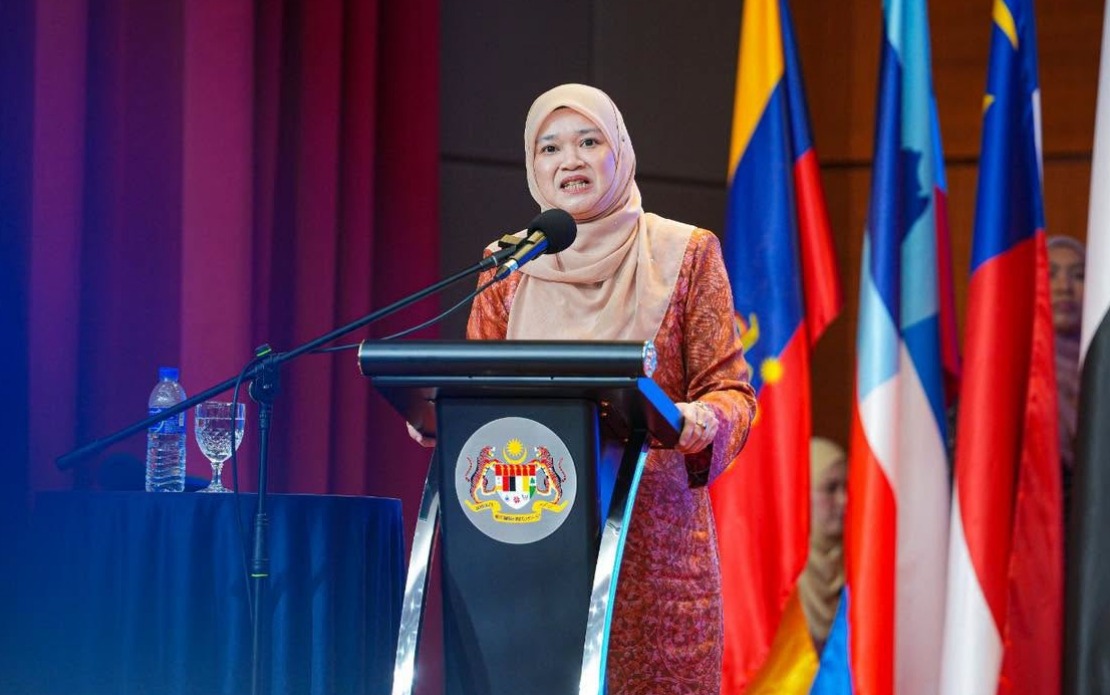
The Malaysian Education Ministry is taking concrete steps to broaden educational pathways for incarcerated students by formally recognising their participation in sports and co-curricular activities as part of the university admission process. Minister Fadhlina Sidek made the announcement while closing the 17th Hijrah Kasih Programme, a collaborative initiative between the ministry and the Malaysian Prison Department, signalling a fundamental shift in how the nation views educational opportunity and rehabilitation through incarceration.
The initiative represents a significant departure from traditional assessment mechanisms that have historically excluded prison-based students from competitive advantage during higher education applications. By integrating co-curricular merit into university admission considerations, the ministry acknowledges that educational development extends beyond academic examinations and recognises the holistic growth achieved within institutional settings. This approach aligns with contemporary global educational philosophy, which increasingly emphasises the value of character development, discipline, teamwork, and skill acquisition demonstrated through sporting and extracurricular engagement.
Beyond co-curricular recognition, the ministry plans to work with the Technical and Vocational Education and Training division to issue formal skills certificates to students who complete training programmes while incarcerated. Students in prison institutions acquire tangible competencies including sewing, food preparation, and various trades—qualifications that could significantly enhance their employment prospects upon reintegration into society. These certificates would provide documented evidence of capability that employers can verify, addressing a critical barrier faced by formerly incarcerated individuals seeking legitimate livelihoods.
The achievements of prison school students demonstrate remarkable academic resilience. Students attending schools within prison institutions have maintained a 100 per cent pass rate in the Sijil Pelajaran Malaysia examinations for two consecutive years, a statistic that challenges societal assumptions about the academic potential of incarcerated youth. This outcome underscores Minister Sidek's assertion that success depends not on physical location or institutional affiliation but on individual determination and commitment. The data suggests that environmental circumstances need not predetermine educational outcomes when supportive structures and quality instruction are provided.
Implementing the Physical, Sports and Co-curricular Assessment framework across prison institutions presents both philosophical and practical significance. Deputy Director-General of Education Datuk Zainal Abas outlined plans to secure recognition of PAJSK scores this year, enabling students to access a 10 per cent merit advantage when applying for university admission from 2027 onwards. While this percentage may appear modest, it represents a substantive change in competitive positioning for a demographic historically excluded from such considerations. For borderline candidates, this additional weighting could prove decisive in gaining admission to preferred programmes and institutions.
The ministry is simultaneously expanding digital learning access through the DELIMa platform, addressing a critical disparity in educational resources. Prison schools and Henry Gurney schools nationwide will receive enhanced access to this digital initiative, enabling students to engage with contemporary learning materials and participate in online educational experiences comparable to those available outside institutional settings. Ensuring parity in learning infrastructure is essential for maintaining academic standards and preventing further marginalisation of this student population.
Controlled digital access presents a nuanced challenge requiring careful balance between educational opportunity and institutional security protocols. The ministry's proposed approach of providing managed access to DELIMa while maintaining appropriate safeguards demonstrates recognition that incarcerated students require exposure to modern educational tools without compromising facility operations. This measured implementation allows institutions to maintain necessary security parameters while progressively integrating technological resources that enhance learning outcomes.
Parental engagement emerges as another critical component in this comprehensive strategy. Minister Sidek emphasised the importance of sustained family support, particularly during incarceration when young people face their most challenging circumstances. Maintaining family connections and demonstrating continued parental belief in their children's potential significantly influences academic motivation and post-release reintegration outcomes. The ministry's acknowledgement of this factor reflects understanding that educational success depends on holistic support systems extending beyond classroom walls.
The timing of these initiatives reflects broader recognition within Malaysia's education sector that contemporary approaches must address systemic barriers facing marginalised student populations. Incarcerated youth represent not only an educational challenge but a societal opportunity—rehabilitation through education reduces recidivism, enhances employment readiness, and strengthens community reintegration outcomes. By removing structural obstacles to university admission, the ministry actively supports pathways toward productive citizenship and reduced criminal justice involvement.
For Malaysia's tertiary institutions, accepting students with prison backgrounds and recognising their co-curricular achievements contributes to campus diversity and exposes future professionals to peers with diverse lived experiences. This exposure fosters empathy, challenges stereotypes, and develops graduates capable of serving heterogeneous populations with greater cultural competence. Universities benefit from the perspective and resilience such students bring to academic communities.
The policy implications extend beyond prison institutions to Henry Gurney schools and other integrity-focused facilities nationwide. Students in these environments similarly pursue academic qualifications while developing character, discipline, and practical skills. Formalising recognition mechanisms for all such students creates consistent, equitable frameworks rather than ad-hoc arrangements that may perpetuate inconsistency.
Implementation success will require coordination across multiple ministry divisions, prison authorities, and tertiary institutions. Clear communication about PAJSK requirements, skills certification pathways, and digital learning access is essential so students and educators understand how to maximise available opportunities. Professional development for prison school teachers will ensure they effectively prepare students for university-level work while documenting achievements for formal assessment.
This initiative ultimately represents a philosophical commitment to second chances and belief in educational transformation as a pathway toward rehabilitation. By removing barriers that have historically prevented incarcerated students from pursuing higher education, Malaysia's education system acknowledges that circumstances of birth or incarceration need not permanently limit human potential. The 100 per cent SPM pass rate already demonstrates what becomes possible when quality education and supportive structures are provided. Extending university access to this population represents the logical next step in completing their educational and social rehabilitation.

