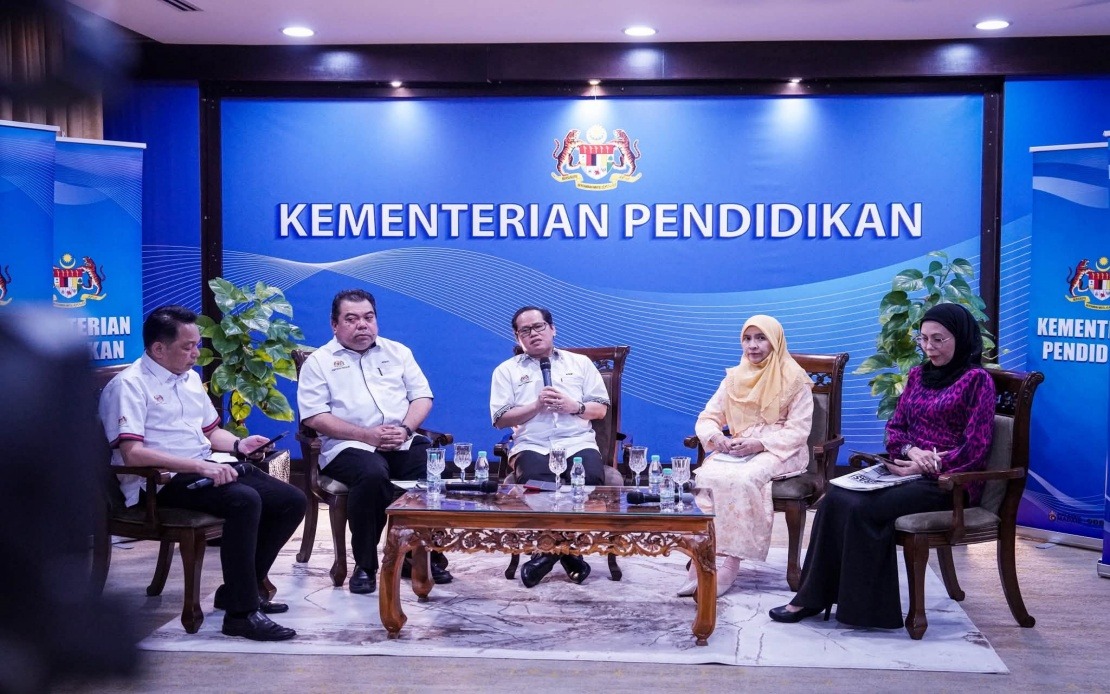
Malaysia's education system is implementing sweeping new safeguarding measures designed to protect students across the entire nation, reflecting mounting concerns about safety incidents occurring within school environments. The initiative, formally introduced through a July 1 circular known as Surat Pekeliling Ikhtisas (SPI), represents an attempt by the Ministry of Education to standardise protection protocols and create consistent safety frameworks nationwide. Education director-general Datuk Mohd Azam Ahmad emphasised during a recent policy dialogue that despite schools often appearing tranquil on the surface, the ministry contends with a troubling volume of safety incidents that demand urgent institutional attention.
The scale of incidents prompting this policy overhaul is stark. According to Datuk Azam, the MOE receives reports of student injuries with alarming regularity, describing instances where fatality cases have exceeded ten in a single day. This frequency underscores a systemic challenge that extends beyond isolated incidents at individual institutions, affecting the entire educational ecosystem. The revelation that such volume of serious incidents occurs routinely has prompted policymakers to recognise that ad-hoc responses and institution-level initiatives are insufficient for addressing what appears to be a widespread problem spanning multiple schools and varying circumstances.
The transformation of the teaching profession forms a central pillar of the ministry's reasoning for this comprehensive overhaul. Datuk Azam articulated that educators today face responsibilities extending far beyond traditional academic instruction. Modern teachers are increasingly expected to cultivate character development, nurture ethical values, and provide emotional and psychological support to students navigating complex contemporary challenges. This expanded mandate reflects evolving societal expectations and the recognition that educational institutions serve purposes beyond credential conferral, functioning instead as comprehensive developmental environments where holistic student welfare assumes paramount importance.
The contemporary context facing Malaysian students presents distinctive challenges absent from previous educational eras. Students now mature within an intensely digital landscape that exposes them to external influences at significantly younger ages than their predecessors encountered. This accelerated exposure to diverse information sources, social dynamics, and global phenomena complicates the traditional pastoral care model and demands that educators possess enhanced capabilities to guide students through novel circumstances. The policy framework acknowledges this reality by establishing clearer parameters within which educators can confidently execute their expanded responsibilities whilst maintaining professional standards.
Under the new framework, compliance has become mandatory rather than voluntary. The circular requires all school personnel and external parties engaging with educational institutions to formally sign a Letter of Compliance with the Student Protection Policy, formalising their commitment to established safeguarding standards. This mechanism transforms student protection from an aspirational objective into an enforceable institutional requirement, establishing clear accountability structures. The requirement for external parties to demonstrate compliance represents a recognition that schools do not exist in isolation; rather, they interact regularly with numerous external stakeholders whose actions and commitments substantially influence the overall protection environment.
The policy encompasses multiple interconnected reform domains reflecting a systems-level approach rather than narrow, isolated interventions. Mental health support for students represents one critical component, acknowledging that psychological wellbeing fundamentally undergirds academic achievement and personal development. The framework additionally addresses reproductive and social health education, recognising that comprehensive knowledge and guidance on these subjects constitute essential protective factors. Prevention initiatives targeting child sexual violence and substance abuse reflect contemporary threats that schools must actively counter rather than passively ignore, whilst explicit attention to student voice ensures that young people participate meaningfully in institutional decision-making affecting their experiences.
Teacher welfare provisions embedded within the policy framework represent an often-overlooked dimension of student protection. The ministry recognises that educators subjected to excessive workload, inadequate support, or insufficient professional development cannot effectively execute safeguarding responsibilities. By addressing teacher welfare comprehensively, the policy acknowledges a crucial interdependency: protecting students requires simultaneously protecting educators from circumstances that compromise their capacity to function effectively. This integrated approach reflects sophisticated understanding that institutional wellbeing operates systemically rather than compartmentalised.
The policy dialogue broadcast across the MOE's YouTube channel, EduWebTV, featured specialist perspectives from multiple stakeholders positioned to influence implementation. Dr Farah Nini Dusuki, representing the Human Rights Commission of Malaysia (SUHAKAM) in her capacity as Children's Commissioner, brought explicit human rights expertise to discussions surrounding child protection frameworks. MOE Daily School Management Division director Hanafi Abdul Samad and Educational Policy Planning and Research Division director Datin Rosliza Rosli contributed implementation and research perspectives respectively. This multi-stakeholder engagement signals commitment to evidence-informed policymaking and consultation beyond internal ministry structures.
For Malaysian schools and educational leaders, this policy transition requires substantial operational adjustments. Institutions must develop specific protocols addressing the framework's various domains, integrate compliance mechanisms into existing administrative processes, and ensure that personnel across organisational hierarchies understand and can implement new requirements consistently. The scope—encompassing all 10,258 schools nationwide—presents both logistical challenges and opportunities for establishing uniform baseline protections that transcend geographic variations and institutional size differences.
Regionally, Malaysia's comprehensive approach offers instructive lessons for other Southeast Asian nations grappling with comparable educational challenges. Many countries across the region face similar pressures regarding student safety, teacher capacity, and the integration of modern safeguarding within traditional institutional structures. Malaysia's systematic attempt to address these dimensions simultaneously through a coordinated policy framework demonstrates recognition that piecemeal interventions frequently prove insufficient for transforming institutional practice at scale.
The medium-term effectiveness of this framework will depend substantially upon implementation fidelity and resource allocation. Translating policy circulars into meaningful institutional change requires adequate training, sustained oversight, and genuine commitment from educational leaders at all levels. The ministry's willingness to broadcast policy dialogues publicly suggests confidence in the framework's merit, yet ensuring that 10,258 schools translate formal compliance into authentic protection practices remains an ongoing challenge requiring continuous monitoring and adaptive management throughout the implementation period.

