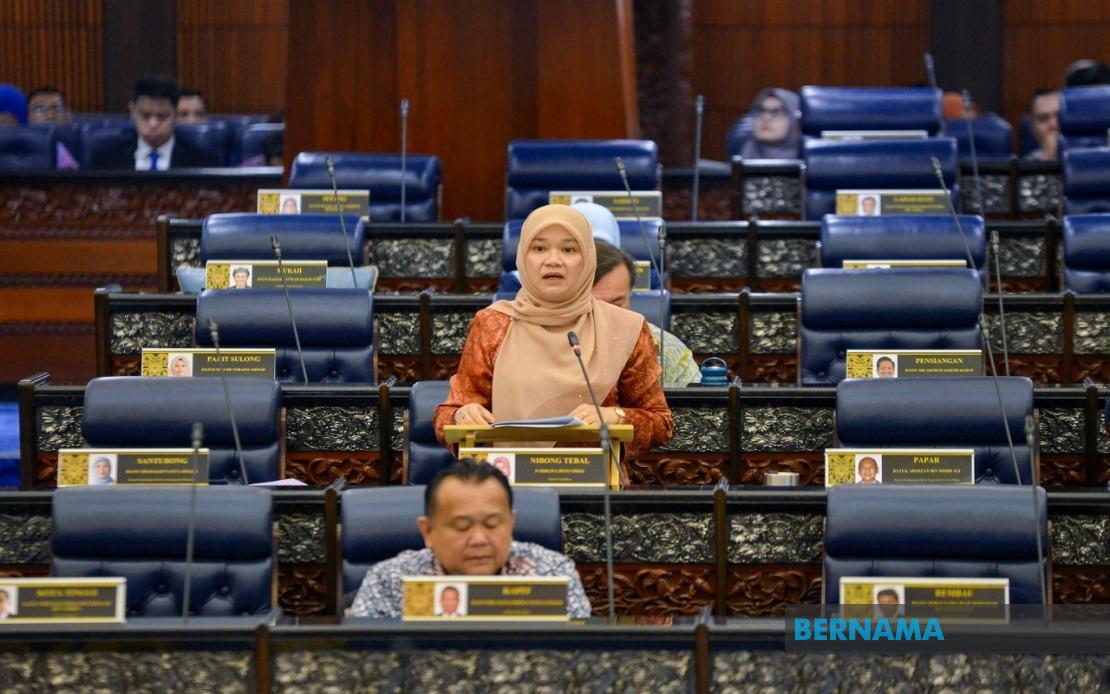
Education Minister Fadhlina Sidek has committed the Ministry of Education to a comprehensive review of student safety protocols, acknowledging that each incident within Malaysia's school system requires individualised assessment rather than a one-size-fits-all response. Speaking during parliamentary questioning, she outlined a multifaceted approach designed to create safer educational environments across the country by addressing not only physical security but also the psychological and emotional wellbeing of young learners. This holistic perspective signals a shift towards understanding school safety as interconnected with student mental health and social development.
The ministry has established a dedicated inter-agency committee composed of representatives from various government bodies and external organisations, tasking this group with coordinating efforts across multiple safety dimensions. This collaborative framework reflects recognition that effective school security extends beyond the education sector alone, requiring expertise from health, security, and community development agencies. The committee structure allows for systematic oversight of policy implementation and ensures that diverse perspectives inform decision-making around student protection measures.
Fadhlina outlined five foundational pillars guiding the ministry's safety strategy: prevention, monitoring, reporting, intervention, and enforcement. These components create a sequential framework intended to catch potential threats at early stages, maintain continuous awareness, ensure transparent communication channels, respond swiftly to emerging situations, and ultimately hold accountable those who compromise student safety. The emphasis on prevention suggests a proactive rather than reactive posture, potentially reducing incidents before they occur rather than simply managing their consequences.
Two significant policy documents now anchor institutional safety efforts. The Safe School Management Guidelines and School Student Protection Policy, formally introduced on June 11, provide standardised protocols that all educational institutions must reference when implementing safety measures. These guidelines explicitly address physical security, social dynamics, and emotional wellbeing, recognising that comprehensive protection requires attention beyond structural defences to include interpersonal safety and mental health support. The frameworks offer institutions clearer expectations and provide students and parents with transparent standards against which to evaluate school responsiveness.
Addressing widespread parental concerns about bullying, the ministry is simultaneously updating its guidance documents to align with the Anti-Bullying Act 2026, which became enforceable on June 16. This legislative foundation provides legal teeth to bullying prevention efforts, establishing that such behaviour constitutes a formal violation rather than merely a disciplinary matter. The timing of guideline updates coinciding with legislative implementation ensures that schools possess both legal authority and practical frameworks to address harassment effectively. The modernised approach suggests Malaysia is treating bullying with greater seriousness than traditional school discipline protocols permit.
Tangible infrastructure improvements are underway to enhance physical monitoring capacity. The ministry plans to expand closed-circuit television installations to 333 schools during the current year, up from 200 schools in 2025. This 66 percent increase in CCTV coverage aims to extend surveillance to higher-risk areas and ensure more comprehensive documentation of incidents. Simultaneously, the appointment of 300 hostel wardens beginning April 1 strengthens overnight supervision of boarding students, a population particularly vulnerable during non-school hours when standard staff presence diminishes. These dual measures address temporal gaps in monitoring when students remain on campus outside regular classroom hours.
The ministry has secured technical support from the National Institute of Occupational Safety and Health, an arrangement providing expert guidance on building integrity, drainage systems, and fire safety protocols. This partnership ensures that physical infrastructure meets professional safety standards rather than relying solely on education specialists to evaluate technical matters. Training programs coordinated through this relationship aim to develop school-level safety coordinators capable of independently assessing and addressing environmental risks, building institutional capacity rather than creating dependency on external consultants.
Comprehensive case assessment procedures underscore the ministry's commitment to nuanced responses. When bullying or safety incidents occur, certified counsellors conduct detailed evaluations incorporating the psychological dimensions of student experiences. Parent-Teacher Associations, parent community initiatives, and relevant external agencies participate in intervention processes, ensuring that responses reflect input from multiple stakeholders rather than imposing top-down solutions. This inclusive approach recognises that sustainable behavioural change requires buy-in from families and communities, not merely institutional enforcement.
The interconnected nature of these initiatives suggests the ministry understands that school safety cannot be achieved through surveillance and punishment alone. By combining physical security infrastructure with psychological support services, legislative frameworks with institutional guidance documents, and government leadership with community participation, the approach acknowledges that student protection depends on multifaceted inputs. For Malaysian parents and educators, this comprehensive framework offers both concrete improvements in monitoring capacity and systemic attention to the emotional factors that underlie many safety concerns, potentially addressing root causes rather than merely managing symptoms.

