The Ministry of Higher Education has committed to maintaining heightened vigilance over the welfare and security of Malaysian students scattered across West Asian nations, responding to the deteriorating regional situation that has prompted major international powers to review their presence in the area. Higher Education Minister Datuk Seri Dr Zambry Abd Kadir outlined the ministry's comprehensive approach during remarks following the closure of the International Charisma Programme at a Putrajaya event, emphasising that institutional coordination mechanisms have been activated to address emerging threats to student populations.
The ministry's monitoring strategy hinges on sustained collaboration with Malaysia's Foreign Ministry, which serves as the primary source of intelligence and diplomatic guidance on security developments across the region. This partnership reflects recognition that higher education authorities cannot operate independently when navigating complex geopolitical situations; instead, formal channels between education and diplomatic bodies must remain continuously active to translate international assessments into practical protective measures for vulnerable Malaysian nationals abroad. The approach acknowledges that security assessments are fluid and require constant updating, particularly given the volatile nature of the current West Asian context where circumstances can shift dramatically within short timeframes.
Minister Zambry specifically referenced the United States' advisory urging American citizens to evacuate the region, noting that such developments serve as early warning signals for Malaysian authorities to consider proportionate responses. However, he balanced this acknowledgment with recognition that foreign policy positions, particularly those emanating from Washington, frequently undergo revision based on evolving circumstances. This nuanced stance suggests Malaysia is adopting a measured approach rather than implementing panic-driven evacuations, instead prioritising intelligence-led decision-making that distinguishes between temporary tensions and systemic threats requiring mass withdrawal of students.
The immediate focus of MOHE's protective measures centres on three key destination countries where substantial Malaysian student populations are based. Egypt hosts thousands of Malaysian scholars across multiple disciplines, while Jordan maintains a student cohort estimated between one thousand and two thousand individuals. Morocco, though currently hosting smaller numbers, represents a growing educational hub for Malaysian students seeking North African alternatives to traditional Middle Eastern study centres. These three locations form the backbone of Malaysia's regional higher education infrastructure and justify the concentrated institutional attention they are receiving.
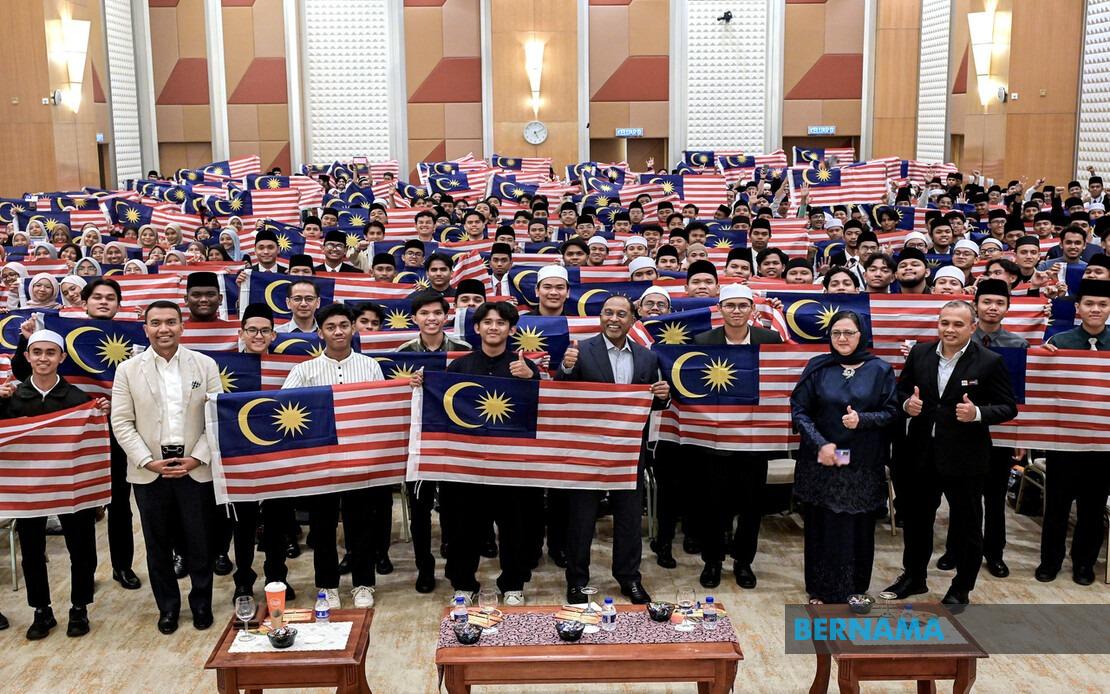
Among the students receiving briefings through MOHE's International Charisma Programme are 456 individuals scheduled to commence studies in Egypt, Jordan, and Morocco beginning September first. This initiative, developed through collaboration between MOHE and the Malaysia Nationhood Academy, provides departing students with critical orientations covering practical safety protocols, welfare support mechanisms, and direct engagement with government officials responsible for overseas student welfare. The programme represents preventive capacity-building, equipping students with knowledge about reporting procedures, embassy contact information, and support networks before they encounter unfamiliar environments.
Beyond immediate security coordination, MOHE has institutionalised its presence through Education Malaysia offices positioned strategically across the region. Both Egypt and Jordan maintain dedicated offices staffed to address student concerns, facilitate communication between families and institutions, and coordinate emergency responses if circumstances deteriorate. Morocco, lacking a dedicated Education Malaysia office, operates under a coordination structure whereby Egyptian-based personnel manage administrative matters, reflecting practical resource allocation across a network of study destinations. This infrastructure demonstrates Malaysia's long-term commitment to supporting overseas scholars rather than viewing them as peripheral populations.
The ministry has received no reports indicating that current security conditions in any of the three primary study destinations have already impacted Malaysian student welfare or academic programmes. This absence of reported incidents suggests that existing security situations, while concerning enough to warrant enhanced monitoring, have not yet translated into direct threats to educational operations or student safety. Nevertheless, MOHE's proactive stance indicates that the ministry is not waiting for crises to materialise before implementing protective measures but is instead establishing contingency frameworks and communication protocols in advance.
Minister Zambry's characterisation of Malaysian students abroad as strategic national assets reflects broader institutional recognition that overseas scholars represent long-term human capital investments vital to national development. The emphasis on ensuring students return to Malaysia following graduation underscores concern that security uncertainties or safety incidents abroad could inadvertently shift students toward permanent settlement in host countries or redirection toward alternative study destinations. Retaining this talent pipeline remains a policy priority even as immediate attention focuses on protecting student welfare.
The educational diversity of Malaysian students in West Asian nations extends beyond traditional Islamic studies to encompass medicine, dentistry, pharmacy, and other professional fields addressing Malaysia's human resource requirements. This disciplinary breadth means that security disruptions affecting any geographic location could create knowledge sector gaps across multiple specialised fields. MOHE's coordination efforts therefore carry implications beyond student protection to encompass workforce development planning and healthcare professional pipeline sustainability.
Minister Zambry also highlighted Malaysia's standing as a study destination attracting approximately 180 national populations, positioning the country as a competitive higher education hub that no longer depends on enrolment from particular regions or nations. This international dimension means that while MOHE prioritises protecting Malaysian students abroad, the ministry simultaneously manages inbound international student populations whose safety and wellbeing equally merit institutional attention. The dual responsibility reflects Malaysia's evolution into a regional education provider with corresponding obligations to international student bodies.
The ministry's emphasis on holistic student development beyond academic achievement incorporates traditional Islamic concepts of ta'lim, tarbiah, and ta'dib—encompassing knowledge transmission, personal development, and ethical formation respectively. This educational philosophy suggests that MOHE views student protection and welfare within broader frameworks emphasising character development and moral grounding. The approach reflects institutional recognition that supporting overseas scholars involves not merely physical safety but also psychological wellbeing, cultural adjustment, and ethical development during formative years abroad.
As West Asian security dynamics continue evolving, MOHE's institutional capacity for rapid information gathering, coordinated response planning, and direct student communication will determine how effectively Malaysia manages potential crises affecting its overseas education populations. The ministry's articulated commitment to continuous monitoring and coordinated decision-making through diplomatic channels establishes procedural frameworks for responding to developing situations, though ultimate security outcomes will depend on how dynamically these mechanisms function when tested by actual deterioration in regional conditions.

