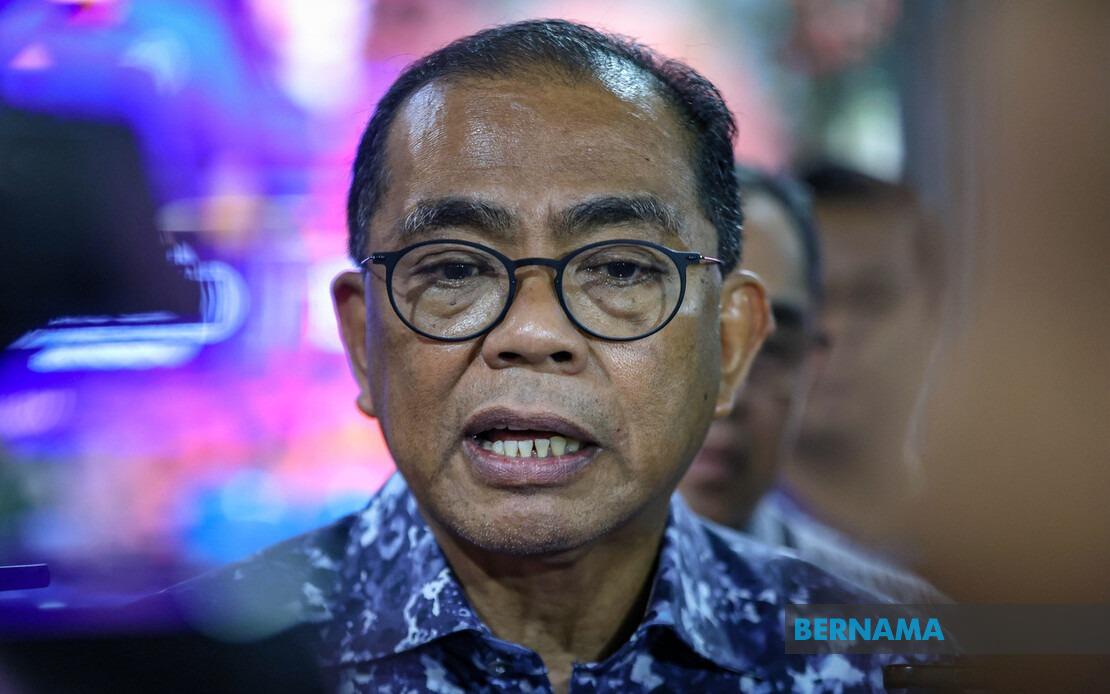
The Malaysian Ministry of Defence is pursuing a comprehensive overhaul of its military personnel management system, seeking to unlock career advancement opportunities for armed forces personnel whose professional development has stalled despite meeting performance standards. Defence Minister Datuk Seri Mohamed Khaled Nordin outlined the ministry's multifaceted approach during remarks at a Barisan Nasional event in Pasir Gudang, revealing that detailed proposals covering organisational restructuring, career progression mechanisms, and remuneration adjustments have already been forwarded to government and the Public Service Department for formal review.
The core challenge driving these reforms centres on a structural mismatch within the military hierarchy. Senior officers frequently encounter promotion bottlenecks despite demonstrating the competency and performance excellence required for advancement, a constraint arising from insufficient vacant positions at higher ranks. This talent management limitation directly undermines the armed forces' ability to retain experienced, capable personnel and represents a significant loss of institutional knowledge. The Defence Ministry recognises that addressing this impediment requires not merely administrative tinkering but fundamental recalibration of how military ranks, grades, and responsibilities align with the strategic demands placed upon service members.
Mohamed Khaled emphasised that structural adjustments must achieve genuine alignment between the formal hierarchy and the substantive responsibilities shouldered by military personnel. The underlying premise reflects a growing recognition that outdated organisational frameworks—designed for earlier defence priorities—cannot efficiently accommodate contemporary personnel development requirements. Since unveiling the Defence White Paper in 2022, MINDEF has systematically advocated for these talent management enhancements, building a policy foundation that now underpins current reform proposals.
The remuneration dimension of these reforms addresses a distinctive aspect of military service often overlooked in public sector comparisons. Armed forces personnel routinely undertake extended professional development courses spanning nine months to two years, requiring extended absences from home and family. The Defence Ministry argues that specialised allowances should recognise this unique vocational characteristic, distinguishing military service from comparable civilian public sector positions. In March of the previous year, MINDEF submitted recommendations to the Public Service Department proposing amendments to Malaysia's Public Service Remuneration System specifically designed to account for these military-specific circumstances.
Crucially, the Defence Ministry has reaffirmed that any acceleration of military promotions will remain anchored in meritocratic principles rather than devolving into automatic advancement schemes. Mohamed Khaled stressed that expedited promotion mechanisms must continue evaluating candidates according to rigorous criteria encompassing performance metrics, professional competency, integrity assessments, and organisational requirements. These evaluations will proceed through established procedural channels designed to maintain standards and prevent patronage-based advancement. This commitment to merit preservation suggests the ministry recognises the legitimacy of concerns about potential degradation of military professionalism if promotion frameworks become politicised or disconnected from genuine capability assessment.
These MINDEF initiatives align with a broader government commitment to modernise Malaysia's defence capabilities and personnel systems. Prime Minister Datuk Seri Anwar Ibrahim announced yesterday that the government has granted in-principle approval to streamline and accelerate promotion procedures for both Malaysian Armed Forces and Royal Malaysia Police personnel, bringing their advancement mechanisms into greater harmony with civilian public service schemes. This coordinated approach signals recognition that security sector personnel face distinctive career management challenges requiring tailored policy responses rather than rigid adherence to standard public sector models.
The government has scheduled a formal announcement detailing the new promotion mechanism for August 30, when Prime Minister Ibrahim will address the nation during Ambang Merdeka celebrations at Stadium Merdeka in Kuala Lumpur. This high-profile platform underscores the administration's prioritisation of defence sector reform and suggests the new framework will represent a substantive departure from existing arrangements rather than incremental modification. The timing coincides with Malaysia's independence commemoration period, symbolically linking enhanced military personnel management to national resilience and capability.
Beyond structural and promotional reforms, the government has reaffirmed its commitment to strengthening defence expenditure allocations. Budget 2027 will include enhanced MINDEF funding designed to bolster the armed forces' operational capabilities while simultaneously advancing the welfare and working conditions of security sector employees. This dual commitment—modernising assets whilst improving personnel management—reflects understanding that military effectiveness depends on both sophisticated equipment and motivated, professionally developed personnel. Without coherent human resource strategies, even advanced defence platforms cannot reach their operational potential.
For Malaysian defence policy, these reforms represent recognition that the armed forces compete for talent within the region and globally. Military officers with specialist qualifications and experience face opportunities beyond Malaysia, and career stagnation domestically increases attrition to other nations or the private sector. The ministry's push for structural modernisation thus addresses not merely internal fairness but also strategic competitiveness in retaining Malaysia's most capable defence professionals. Southeast Asian nations similarly grapple with military personnel retention challenges, making Malaysia's reform trajectory potentially influential across the region.
These initiatives also carry broader implications for Malaysia's defence posture during a period of regional strategic uncertainty. Enhanced personnel management and professional development directly strengthen operational readiness by ensuring experienced officers advance to leadership positions where their expertise informs strategic decision-making. Better career progression pathways and improved remuneration contribute to organisational stability and morale, factors difficult to quantify yet essential for maintaining military cohesion during challenging operational or political circumstances. The ministry's systematic approach to reform suggests policymakers recognise that defence capability encompasses not merely weaponry and technology but also human capital development and institutional health.
The substantive engagement of the Public Service Department in evaluating MINDEF's proposals indicates these reforms will likely require legislative or constitutional adjustment rather than administrative action alone. This multi-agency coordination process may extend timelines for implementation but increases likelihood that resulting changes will possess durable legal foundation resistant to reversal through subsequent political transitions. For serving military personnel currently navigating constrained advancement pathways, the formal submission of detailed proposals to government agencies represents tangible progress toward systemic change, though patience remains necessary as bureaucratic consideration proceeds.

