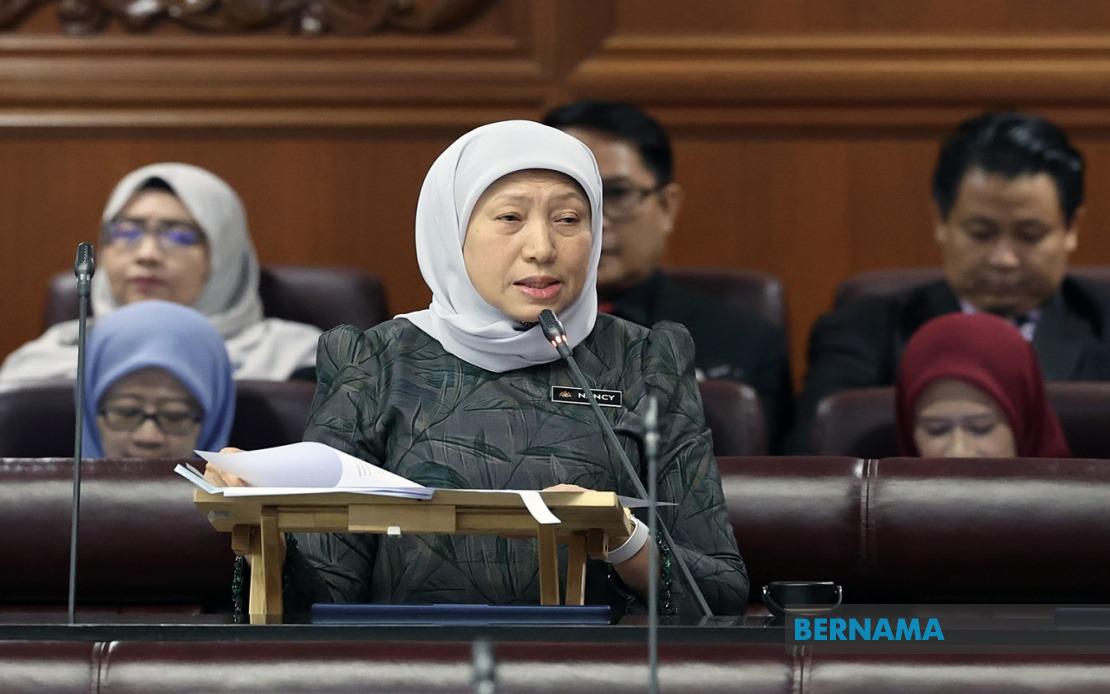
Malaysia is embarking on a significant overhaul of its Child Act 2001 following a comprehensive assessment by the United Nations Committee on the Rights of the Child, which has issued 159 recommendations covering multiple aspects of how the country safeguards its young people. The Ministry of Women, Family and Community Development (KPWKM) confirmed on July 21 that it will incorporate these findings into a thoroughgoing review of the foundational legislation that governs child protection, welfare, and rights across the country.
The scope of the UN recommendations extends well beyond simple legislative tweaks. According to Minister Datuk Seri Nancy Shukri, the Concluding Observations address fundamental issues including the legal architecture governing children's affairs, strengthened protections against various forms of abuse and exploitation, and more rigorous enforcement of existing children's rights provisions. This assessment reflects international concerns about implementation gaps—the difference between what laws promise on paper and what actually happens in practice across Malaysia's communities.
The breadth of the UNCRC's concerns underscores a global recognition that child protection requires constant evolution. As societies change, as technology creates new vulnerabilities, and as understanding of child development deepens, legislation must adapt. Malaysia's review signals an acknowledgement that the 2001 Act, though substantial, may not adequately address contemporary challenges facing Malaysian children, from online exploitation to trafficking risks to access to justice for vulnerable youth.
Crucially, KPWKM has signalled that this review will not be a purely bureaucratic exercise conducted within a single ministry. Instead, the government intends to adopt a multi-agency collaborative approach, drawing expertise and perspective from various government ministries and relevant agencies. This structural choice matters significantly, as child protection involves education, health, law enforcement, social services, and community bodies. Siloed decision-making often produces legislation that fails in implementation because agencies lack clarity on their roles or insufficient coordination mechanisms exist to share information and respond effectively.
The minister specifically outlined several critical areas that the review will examine. The legal framework surrounding child protection mechanisms and mandatory reporting procedures will come under scrutiny, recognising that professionals such as teachers and medical workers often struggle with ambiguous reporting obligations. Similarly, the procedures governing children's courts will be reassessed—these specialised courts are meant to handle child cases with particular sensitivity and expertise, but procedural barriers sometimes prevent effective access to justice for the youngest and most vulnerable victims.
Beyond the courtroom, KPWKM will focus on family and community-based care arrangements, acknowledging that many child welfare matters are best handled outside formal systems. Rehabilitation services for children who have experienced abuse or exploitation will receive particular attention, reflecting research showing that recovery outcomes depend heavily on appropriate, trauma-informed interventions tailored to individual needs. The follow-up support mechanisms that help children reintegrate into society after intervention will also be examined, addressing a known gap where children exit formal systems without adequate ongoing support.
A fundamental principle guiding this review is the "best interests of the child"—a cornerstone of international child rights conventions that Malaysia has signed. This principle requires that whenever decisions affecting children are made, the child's welfare must be the paramount consideration, not administrative convenience or budgetary constraints. The review will need to assess whether current legislation and implementation adequately embed this standard across all relevant decisions and agencies.
The government also intends to clarify and strengthen the functions and authority of various stakeholders involved in case management. Parents and guardians naturally bear primary responsibility for children, but when they fail or harm their charges, government and community institutions must step in. Teachers, social workers, police, judges, and community leaders all play roles, yet confusion about authority, responsibility, and accountability sometimes undermines effectiveness. A clearer delineation of these roles, with appropriate training and resources, should improve responsiveness.
For Malaysian readers and regional observers, this review represents more than domestic policy adjustment. Child protection standards increasingly influence international standing and investment climate. Countries perceived as having weak child safeguarding frameworks face reputational damage and may encounter difficulties attracting certain industries or maintaining tourism and educational standing. More fundamentally, investments in child protection directly translate to healthier, more productive, and more resilient populations over coming decades.
The involvement of UNCRC recommendations also signals Malaysia's engagement with international human rights frameworks. While the UN committee's observations are not binding law, incorporating them demonstrates a commitment to continuous improvement and alignment with global norms. For neighbouring Southeast Asian nations watching how Malaysia handles this process, the approach may set precedents for how child protection reviews can be conducted collaboratively across government agencies.
The timeline for this review remains unspecified, but given the scope and the multi-agency coordination required, substantive legislative amendments are unlikely within months. What matters now is whether the commitment to review translates into genuine consultation with affected communities—including children and young people themselves, social workers, legal professionals, educators, and families. Only through such inclusive processes can the resulting legal amendments achieve both sophistication and practical effectiveness.
Implementation will ultimately prove more critical than legislation. Malaysia's success in strengthening child protection depends not only on what the amended Child Act 2001 says, but on whether police investigate reports thoroughly, whether courts process cases efficiently, whether rehabilitation services receive adequate funding, and whether communities genuinely protect their children. The review's multi-agency approach offers hope that these implementation realities will inform the legislative changes, producing a framework that works in practice, not merely in principle.

