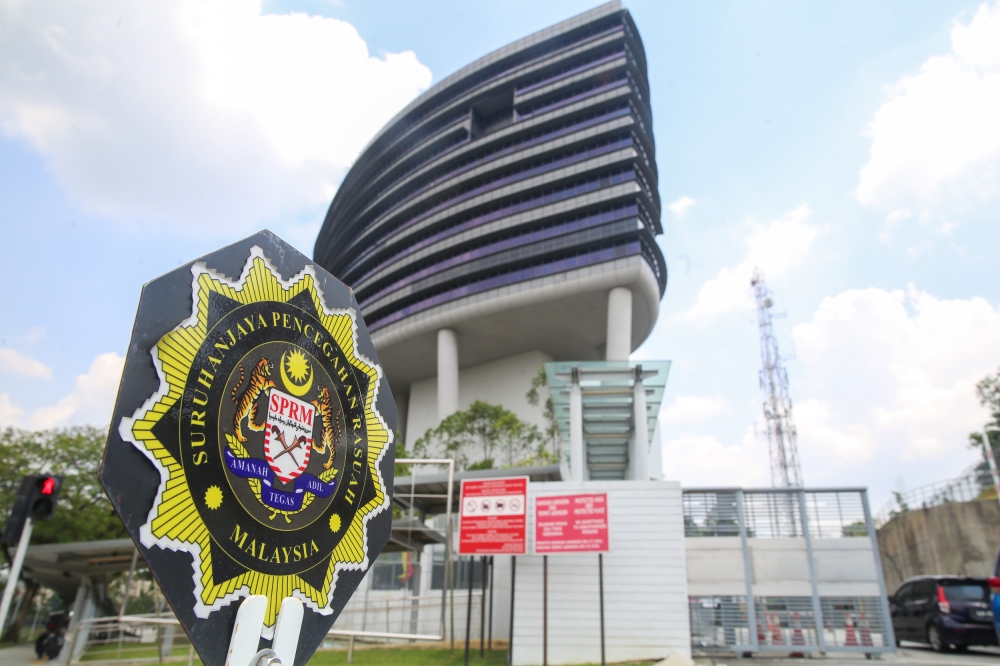
The Malaysian Anti-Corruption Commission has escalated pressure on senior government administrators to establish comprehensive protections for individuals who report wrongdoing within their organisations, signalling that such measures are fundamental to the country's aspirations of improving its standing on the global Corruption Perceptions Index. Speaking to ministry secretaries-general—the highest-ranking civil servants in each government department—MACC officials outlined how inadequate safeguards for whistleblowers undermine anti-corruption efforts and hamper Malaysia's international competitiveness on governance issues.
The timing of this appeal reflects Malaysia's broader strategic pivot toward stronger institutional checks on corruption. International rankings like the Corruption Perceptions Index, which assesses perceived levels of public-sector graft across nations, carry significant weight in shaping investor confidence and diplomatic standing. Malaysia's current position on these indices has become a policy concern for leadership seeking to position the country as a transparent, investor-friendly economy within Southeast Asia and globally. Improvement requires not merely enforcement actions but the creation of conditions where citizens and officials feel safe exposing corrupt practices without fear of retaliation.
Whistleblower protection frameworks address a persistent vulnerability in anti-corruption systems. When employees or contractors lack confidence that reporting misconduct will shield them from dismissal, demotion, or professional ostracism, corrupt activity thrives in institutional shadows. Malaysia's existing whistleblower legislation provides some legal recourse, yet implementation gaps remain substantial. Many civil servants remain uncertain about their actual protections, while organisational cultures in some agencies continue to stigmatise those who report peers or superiors. The MACC's directive to ministry secretaries-general seeks to convert legal provisions into tangible, operational reality across government departments.
The commission's approach emphasises the responsibility of senior ministry officials as custodians of institutional integrity. Rather than relying solely on external enforcement, MACC is asking department heads to champion transparency internally—to create channels where staff can report suspicions confidentially, to communicate that whistleblowing serves the public interest, and to demonstrate through concrete actions that reporting does not invite retaliation. This represents a shift from purely investigative work toward building preventive cultural infrastructure within the bureaucracy itself.
For Malaysia's public sector, which employs hundreds of thousands across federal, state, and local agencies, this institutional transformation carries enormous practical implications. Government procurement, licensing, personnel decisions, and resource allocation all remain vulnerable to corrupt influence when reporting mechanisms are weak or feared. Strengthening whistleblower protections at the ministry level can therefore address corruption vectors that external oversight alone cannot reach. It incentivises early intervention—a supervisor detecting misconduct among their team can escalate confidentially rather than remaining silent, preventing small incidents from metastasising into large scandals.
The emphasis on ministry secretaries-general is strategically significant because these officials wield substantial influence over departmental culture and policy implementation. Their endorsement of whistleblower protections signals organisational commitment that filters through chains of command. When the most senior civil servant in a ministry visibly supports safe reporting channels, subordinates take the commitment seriously. Conversely, where secretaries-general treat whistleblower concerns as peripheral, staff revert to silence and complicity. MACC's approach recognises that anti-corruption reform ultimately depends on leadership alignment rather than rules alone.
Malaysia's regional context adds urgency to this initiative. Neighbouring Singapore and Brunei maintain higher Corruption Perceptions Index ratings, and Thailand and Indonesia have undertaken substantial anti-corruption institutional reforms in recent years. For Malaysia to differentiate itself as a stable, transparent jurisdiction within a competitive Southeast Asian landscape, incremental progress on metrics like whistleblower protections accumulates into meaningful reputational gains. International investors, development partners, and rating agencies monitor such indicators as barometers of governance quality. The MACC is, in effect, helping Malaysia close a structural gap that competitors have already addressed.
Implementation challenges, however, remain considerable. Several government agencies have encountered resistance when attempting to formalise whistleblower channels, citing operational complexities or concerns about internal morale. Some officials worry that robust protection mechanisms might be weaponised by disgruntled employees to lodge frivolous accusations. Others fear that visible anti-corruption activity exposes their department to scrutiny. The MACC's directive must therefore be accompanied by training, clear procedures, and consistent messaging from national leadership that whistleblower protection represents a governance imperative, not an optional initiative.
The commission has indicated it will monitor ministry compliance with its guidance, suggesting that failure to establish adequate protections could invite further intervention or public accountability measures. This gentle coercion—framing compliance as necessary for Malaysia's international image and institutional credibility—leverages reputational incentives alongside regulatory authority. Secretaries-general, many of whom have spent decades managing their departments, are unlikely to dismiss a direct appeal from Malaysia's primary anti-corruption institution, particularly when framed as supporting broader national objectives.
Beyond governmental action, MACC's emphasis on whistleblower protection implicitly acknowledges that sustainable anti-corruption progress requires buy-in from the people within institutions most likely to observe misconduct. Investigators and prosecutors, however skilled, cannot match the inside knowledge of employees embedded in corrupt systems. By creating conditions where reporting becomes normal rather than exceptional, and protected rather than perilous, Malaysia can activate internal watchdog mechanisms that scale anti-corruption efforts across thousands of organisations simultaneously.
The commission's appeal arrives at a moment of recalibration for Malaysia's governance institutions, following years of high-profile corruption scandals and leadership transitions. Whether ministry secretaries-general translate MACC's guidance into substantive reforms will determine whether Malaysia translates anti-corruption rhetoric into measurable institutional change and whether the country can translate such change into improved international standings that reinforce investor confidence and economic competitiveness.

