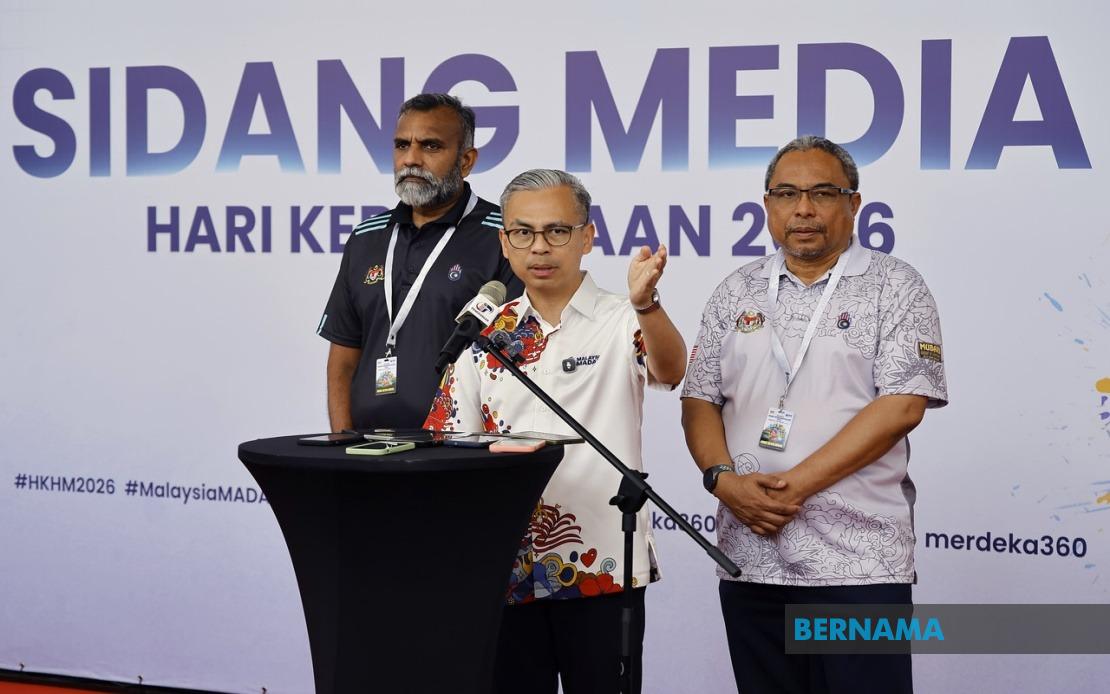
As Malaysia prepares to commemorate its 2026 National Day at Dataran Putrajaya this coming Monday, authorities are taking health precautions seriously in response to persistent haze conditions affecting the region. Communications Minister Datuk Seri Fahmi Fadzil, who chairs the National Day and Malaysia Day (HKHM) 2026 celebrations committee, has advised all visitors to consider wearing N95 masks to mitigate the respiratory effects of the current atmospheric pollution. The recommendation aligns with guidance from the Health Ministry (MOH), particularly targeting vulnerable populations including young children, elderly visitors, and individuals with pre-existing respiratory conditions such as asthma.
The haze situation has become a recurring challenge for outdoor events across Southeast Asia, with Malaysia frequently affected by seasonal transboundary smoke pollution. This year's National Day celebration represents a significant national occasion, making it imperative that organisers balance public health considerations with the need to ensure a memorable commemoration. Rather than implementing mandatory mask requirements that could discourage attendance, festival planners have opted for an advisory approach that respects individual choice whilst emphasising the health risks involved. This flexible stance reflects evolving public health communication strategies that prioritise education and personal responsibility over strict enforcement.
In a proactive measure to support attendees, celebration organisers are distributing complimentary N95 masks to over 10,000 official participants involved in the ceremony and proceedings. This distribution strategy ensures that those most actively engaged in the event—performers, officials, volunteers, and key participants—have immediate access to respiratory protection without bearing personal cost. The provision demonstrates governmental commitment to safeguarding public health during large-scale gatherings, a consideration that has become increasingly prominent in event planning across the region following heightened awareness of air quality impacts on community wellbeing.
Beyond mask distribution, the MOH has established comprehensive medical infrastructure throughout Dataran Putrajaya to respond swiftly to any health emergencies. Medical teams strategically positioned at multiple locations can provide immediate assistance to visitors experiencing respiratory distress or other acute health issues. According to Fahmi's statement following the full dress rehearsal, all medical bases are functioning optimally with no reported complications thus far. This multi-layered health response architecture reflects lessons learned from previous large gatherings and demonstrates institutional readiness to manage public health contingencies during major celebrations.
The logistics of hosting a national celebration during haze season present unique challenges for Malaysian event organisers. The National Day commemoration carries profound symbolic and cultural significance, drawing large crowds and extensive media coverage both domestically and internationally. Postponing the celebration is generally untenable given its fixed constitutional date, necessitating adaptive management strategies instead. The combination of voluntary mask guidance, complimentary protective equipment distribution, and enhanced medical presence represents a pragmatic approach to protecting public health whilst maintaining the event's integrity and importance.
Median infrastructure improvements feature prominently in preparation efforts, reflecting recognition that modern national celebrations require robust communications capabilities. The total of 823 media practitioners scheduled to cover the 2026 National Day celebrations represents a notable increase from approximately 600 journalists the previous year, underscoring growing domestic and international interest in Malaysia's national commemorations. This expanded media presence necessitates corresponding enhancements to telecommunications and internet connectivity to ensure comprehensive coverage and real-time reporting capabilities.
To accommodate increased media demands, the Malaysian Communications and Multimedia Commission (MCMC) and allied telecommunications providers have installed additional communications equipment at 102 locations throughout the celebration venue. This infrastructure expansion aims to guarantee reliable network coverage for journalists, enabling them to file reports, transmit photographs, and provide live commentary without connectivity interruptions. Such technological investments reflect contemporary expectations for news coverage and acknowledge the pivotal role of media in documenting and disseminating national events to global audiences.
The full dress rehearsal conducted at Dataran Putrajaya demonstrated that organisational preparations are proceeding according to schedule and plan. Fahmi's affirmation that the rehearsal transpired smoothly provides reassurance that logistical coordination among multiple government agencies and private contractors is functioning effectively. These rehearsals serve critical functions in identifying potential operational bottlenecks, testing emergency protocols, and ensuring that personnel understand their assigned responsibilities during the actual celebration.
Security arrangements have received appropriate attention from law enforcement authorities, with the Royal Malaysia Police (PDRM) maintaining vigilant oversight of the venue and surrounding areas. As of the minister's statement, no incidents requiring elevated security response have been reported, suggesting that public order is being effectively maintained. The absence of security concerns allows organisers to focus resources on ensuring smooth logistical operations and optimal attendee experience rather than responding to disruptions or safety threats.
The 2026 National Day celebration exemplifies how Malaysian institutions adapt major public events to contemporary challenges whilst preserving their cultural and political significance. The simultaneous prioritisation of health protection, media engagement, security assurance, and celebratory excellence demonstrates sophisticated event management that recognises multiple stakeholder interests. As haze pollution continues to impact Southeast Asian countries with increasing regularity, the precedent established through these health-conscious preparations at Malaysia's largest annual gathering may serve as a model for future regional events facing similar atmospheric challenges and public health considerations.

