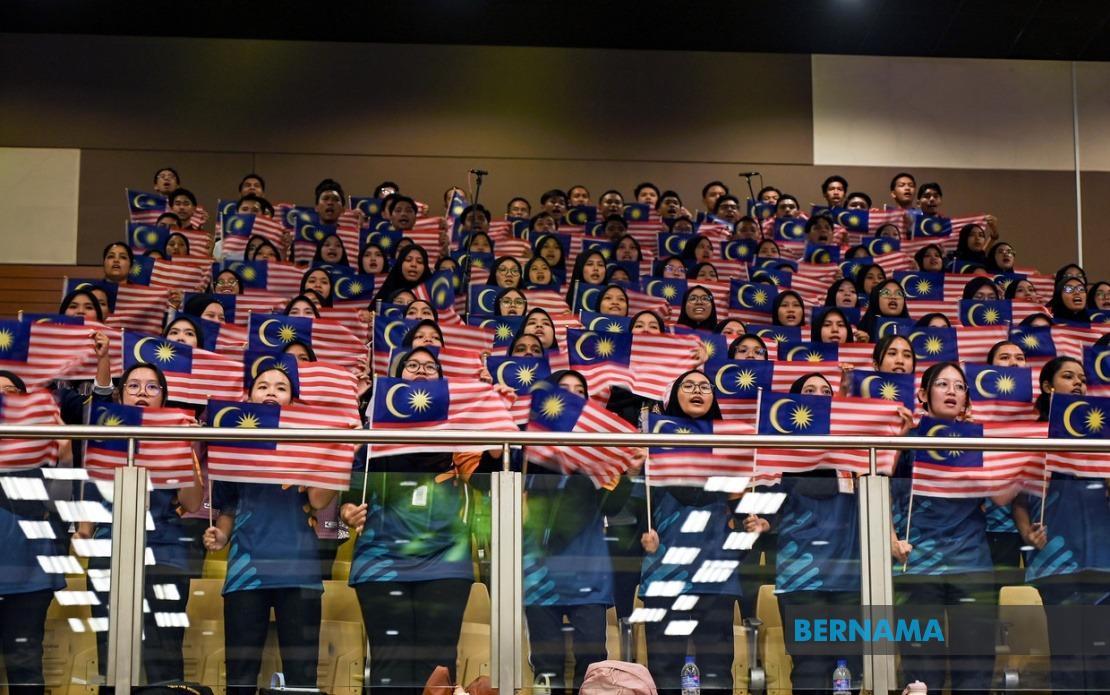
Malaysia's ambitious launch for the 2026 National Month and Kibar Jalur Gemilang campaign is on track, with organisers in Ipoh reporting that preparations have reached the 80 percent completion mark ahead of the scheduled Sunday ceremony. The event, officially known as HKHM2026, will mark the beginning of celebrations surrounding Malaysia Day and National Day, representing a significant moment in the nation's patriotic calendar. Despite the compressed timeline, authorities have meticulously coordinated logistics and programme elements to ensure the occasion resonates with citizens across the country.
The ceremony will take place at Dewan Sri Perdana within the Sultan Azlan Shah Health Ministry Training Institute (ILKKM SAS), a venue that carries symbolic weight given its role in developing public health professionals. According to Faizal Adanan, deputy director of the Information Department's Communication Services and Community Development Division, the event has been deliberately designed to maintain impact while operating at a measured scale. This strategic approach reflects official thinking about balancing grandeur with fiscal responsibility—a consideration increasingly important to Malaysian policymakers tasked with delivering compelling national moments within tighter budgetary parameters.
The decision to hold the ceremony indoors with a 3,000-person capacity might initially suggest a scaled-down affair, yet organisers emphasise that the intimate setting will facilitate meaningful representation from Malaysia's diverse communities. Participation from different racial and religious groups has been prioritised in the programme design, recognising that authentic patriotic sentiment flows from genuine inclusivity rather than crowd size alone. This reflects an important shift in how Malaysia's leadership conceptualises national celebrations—moving away from purely spectacle-driven events toward gatherings that explicitly showcase the nation's multicultural fabric.
Sunday's proceedings will feature several noteworthy elements designed to capture public imagination. The Merdeka Patriotic Run, expected to draw approximately 2,000 participants, will serve as an energetic opening act, with Communications Ministry secretary-general Datuk Abdul Halim Hamzah flagging off competitors. This combination of physical activity and patriotic messaging taps into growing global trends where governments integrate wellness initiatives with civic engagement. The run itself becomes a vehicle for spreading national consciousness beyond traditional ceremonial spaces.
Prime Minister Datuk Seri Anwar Ibrahim's attendance and role as the ceremony's chief officiator underscores the federal government's commitment to the HKHM2026 initiative. His presence signals that the campaign carries cabinet-level priority and represents a key component of the administration's broader narrative-building efforts heading into 2026. The symbolism of national leadership endorsing these celebrations carries particular weight in Malaysia's political context, where prime ministerial participation often determines public perception of an initiative's legitimacy and importance.
Among the most anticipated programme elements is a patriotic choir performance by ILKKM SAS trainees, a group that previously achieved viral status through their musical performances. This decision to feature performers with existing public resonance demonstrates savvy media strategy—leveraging established audience goodwill to enhance viewership and engagement. The choir's participation also bridges generational divides, connecting younger Malaysians with patriotic expression through artists they already recognise and support.
A traditional flag-raising ceremony by security forces will also feature prominently, marking the resumption of this ritual after a two-year absence. The restoration of this ceremonial element carries symbolic weight, representing a return to established national practices and routines. For many Malaysians, such ceremonies serve as anchoring points in the civic calendar, providing moments of shared national identity in an increasingly fragmented media landscape. The security forces' involvement also reinforces the connection between national defence and patriotic expression.
The launch of the HKHM2026 theme song by a local recording artist rounds out the entertainment components, creating multiple entry points for public engagement. Theme songs have proven effective in Malaysia's previous national campaigns, becoming earworm fixtures that extend campaign messaging well beyond the launch ceremony itself. This musical component will likely receive significant airplay across Malaysian media, ensuring the campaign's core message reaches audiences who might not watch the ceremony live.
While the ceremony remains a closed event restricted to invited participants, organisers have strategically leveraged digital platforms to maximise reach. The decision to broadcast proceedings live across Radio Televisyen Malaysia (RTM), the Malaysian National News Agency (Bernama), the Communications Ministry and the Information Department's channels, plus the dedicated Merdeka360 Facebook Live platform, ensures that geographic location poses no barrier to viewership. This multi-platform approach reflects the sophisticated understanding that Malaysians increasingly consume civic events through screens rather than in-person attendance, particularly younger demographics reliant on social media.
The broadcasting strategy itself merits examination as an evolution in how Malaysia presents national ceremonies. By distributing the live feed across multiple outlets simultaneously, organisers reduce dependence on any single media entity and create redundancy that maximises viewership. The inclusion of Merdeka360, a dedicated platform for this campaign, demonstrates the government's commitment to building a persistent digital community around the HKHM2026 initiative beyond the launch ceremony itself.
Communications Minister Datuk Seri Fahmi Fadzil's earlier announcement that the broader 2026 National Day celebrations will unfold at Dataran Putrajaya on August 31 indicates that Sunday's Ipoh ceremony represents merely the opening salvo of an extended campaign. The Putrajaya gathering will operate on what authorities describe as a modest yet lively scale, maintaining thematic consistency with the launch event's calibrated approach. This sequential structure allows the campaign to build momentum throughout the year, sustaining public engagement across multiple touchpoints rather than concentrating all patriotic expression into a single date.
The completion of preparations at 80 percent ahead of the Sunday launch demonstrates effective project management, though it also raises questions about what final elements remain outstanding. Standard practice suggests organisers are finalising technical aspects such as broadcast equipment testing, security protocols, and last-minute choreography refinements. The full rehearsal scheduled for Saturday will serve as the final opportunity to identify and resolve any logistical complications.
For Malaysian observers and international commentators, the HKHM2026 campaign represents a significant test of the current government's capacity to mobilise national sentiment around patriotic themes. The campaign's success will be measured not merely by attendance figures or broadcast viewership, but by whether its messaging resonates authentically with Malaysians across demographic divides. The emphasis on inclusivity, the strategic use of digital platforms, and the involvement of popular cultural figures all suggest organisers have invested considerable thought into creating a campaign that feels contemporary and relevant rather than merely obligatory.

