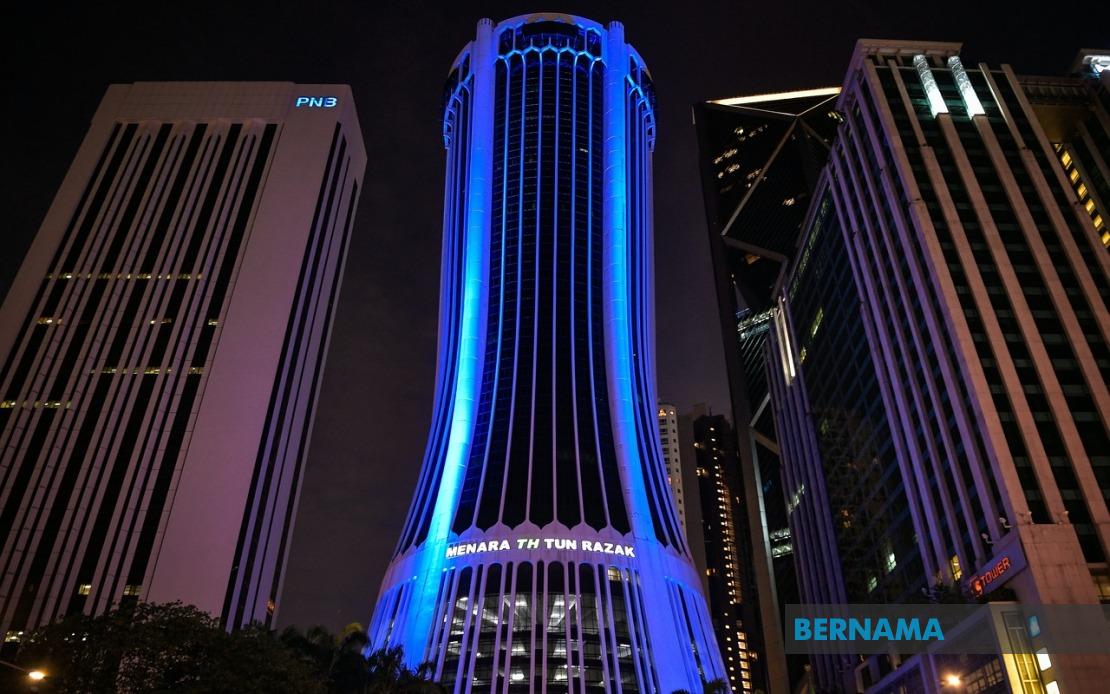
Malaysiansaving with Tabung Haji are showing no signs of wavering confidence in the institution, even as it faces heightened scrutiny following the release of a Royal Commission of Inquiry report examining its governance and operational practices. The unwillingness of depositors to flee the system underscores a fundamental truth about TH's role in Malaysian Muslim society—it operates on a plane beyond ordinary financial institutions, functioning instead as a sacred custodian of religious aspirations.
The relationship between Malaysians and Tabung Haji transcends the conventional depositor-bank dynamic. For millions of observant Muslims, TH represents far more than a savings vehicle or investment platform. It embodies their faith's promise and their personal spiritual journeys, offering a structured pathway toward fulfilling one of Islam's five pillars. This distinction explains why the RCI findings, while commanding attention in policy circles, have failed to trigger the mass exodus that might cripple a conventional financial institution facing similar revelations about management failures.
Atiqah Shah Hadi, a 40-year-old tailor, exemplifies this persistent faith. She maintains a TH account her father opened for her decades ago, with expectations to perform hajj around 2033. Despite awareness of institutional controversies, she continues depositing savings methodically, viewing her account not as a financial asset but as an investment in religious fulfilment. Her commitment reflects the calculation made by countless Malaysian Muslims: the importance of eventually performing hajj outweighs concerns about TH's current management challenges.
Similarly, Muhammad Haikal Abdul Halim, a 35-year-old civil servant, remains unmoved by negative reports about the hajj authority. Although cognisant of the issues surrounding institutional management, he has neither withdrawn funds nor entertained such thoughts. Instead, he plans to intensify his engagement, establishing monthly salary deductions to accelerate his savings accumulation before his anticipated 2032 hajj window arrives. His commitment extends beyond personal preparation—he intends to establish TH accounts for his three young children, embedding the institution's role deep within his family's financial and spiritual planning.
Experts acknowledge that TH's recovery from previous crises and its ability to maintain depositor confidence hinges on two interconnected pillars. Saizal Pinjaman, director of the Centre for Economic Development and Policy at Universiti Malaysia Sabah, emphasizes that safeguarding deposits and strengthening long-term financial resilience must become TH's paramount concerns. These objectives demand transparent, independently audited financial accounting that acknowledges losses, investment impairments, and asset valuations across varying economic conditions without sanitising uncomfortable truths.
Beyond transparency, TH requires institutional discipline regarding profit distribution. Rather than allocating surpluses to depositors whenever convenient, the institution must maintain buffer reserves adequate to absorb market volatility and economic shocks. Pinjaman argues that dividends should flow only when organisational health permits genuine affordability, protecting the institution's structural integrity and depositors' principal investments. This conservative approach contrasts sharply with aggressive dividend policies that prioritise short-term returns over long-term stability.
TH must simultaneously enhance communication around the actual operational costs of hajj assistance it provides. Detailed breakdowns showing how fees translate into support services, logistics coordination, accommodation, and guidance would demystify TH's operations and ground depositor expectations in reality. Transparency about costs facilitates trust building, demonstrating how funds are deployed to genuinely serve pilgrims rather than enriching administrators.
The institution's trajectory since previous crises demonstrates resilience worthy of consideration. Noor Nirwandy Mat Noordin, a senior lecturer at UiTM Shah Alam's Centre for Media and Information Warfare Studies, notes that TH has emerged stronger from its challenges, earning international recognition as among the world's finest hajj management organisations. This external validation carries weight, particularly for depositors evaluating institutional competence beyond domestic political noise surrounding the RCI report.
For Malaysia's Muslim majority, the question facing TH transcends conventional corporate governance. The institution manages not merely financial assets but aspirations intimately connected to faith, family legacy, and spiritual obligation. This reality creates natural resilience—depositors view temporary management controversies as solvable administrative problems rather than fundamental threats to TH's core mission. The challenge for institutional leadership involves leveraging this goodwill by implementing genuine reforms that marry rigorous financial governance with demonstrated respect for depositors' sacred trust.
The coming months will prove whether TH can translate depositor loyalty into institutional transformation. Implementing the Royal Commission's recommendations, coupled with proactive transparency initiatives, could strengthen an institution already blessed with extraordinary social capital. Conversely, dismissing reform opportunities risks eventually eroding even the deep cultural bonds currently protecting TH's depositor base. For a society where hajj represents a defining spiritual milestone, TH's ability to serve that purpose faithfully remains paramount.

