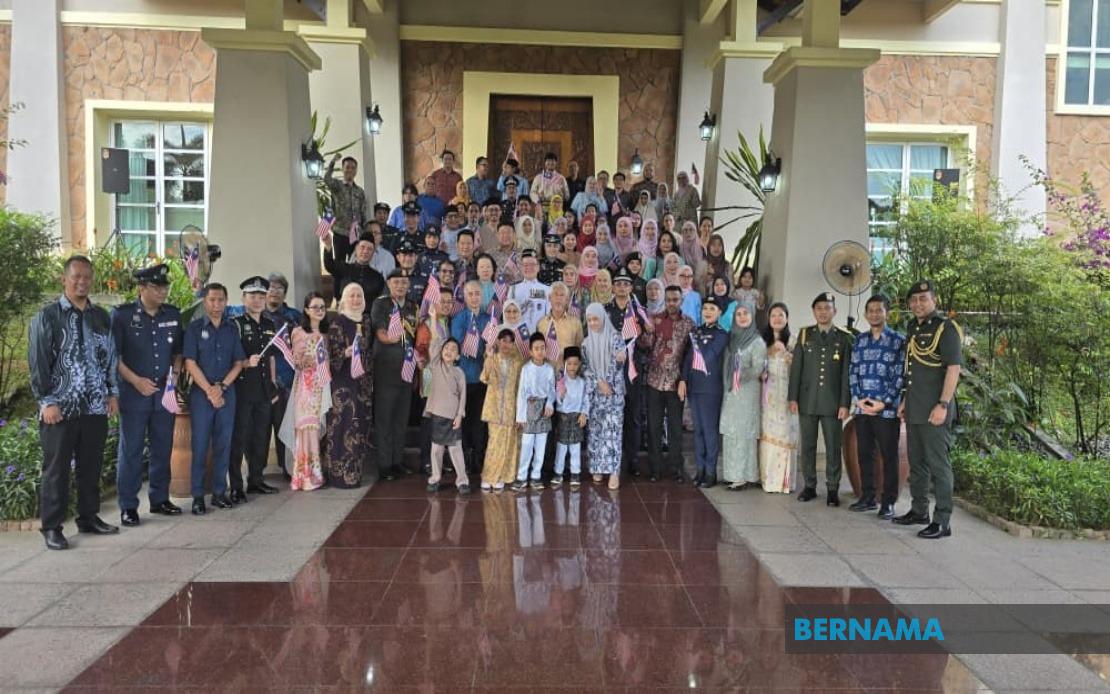
Malaysia's High Commissioner to Singapore Datin Paduka Anizan Siti Hajjar Adnin has underscored the pivotal role played by Malaysians residing across the Causeway in deepening the relationship between the two neighbouring nations. Speaking during the Malaysian High Commission's 2026 National Day celebration at Rumah Malaysia, she characterised the expatriate community as "unofficial ambassadors" capable of fostering goodwill and understanding in ways that formal diplomatic channels alone cannot achieve. The remarks come at a time when Malaysia-Singapore relations encompass far more than state-to-state interactions, extending into the lives of hundreds of thousands of people who regularly traverse the border for employment, business, education, and family reasons.
The High Commissioner's perspective reflects a broadening diplomatic understanding that people-to-people connections form the foundation of lasting international partnerships. The daily movement of Malaysians into Singapore for work, coupled with the permanent settlement of many families in the city-state, creates an intricate web of personal relationships, professional networks, and cultural exchanges that transcend official government dealings. This informal yet significant dimension of bilateral relations often receives less attention than trade statistics or government agreements, yet it fundamentally shapes how citizens of each nation perceive and interact with the other. By framing ordinary Malaysians as ambassadors, the High Commissioner elevates the significance of individual choices and actions, suggesting that every Malaysian in Singapore carries an implicit responsibility to represent the nation positively.
Anizan emphasised that the Malaysia-Singapore relationship possesses historical depth and complexity that distinguishes it from interactions with other countries. The two nations share a colonial past, geographic proximity that has historically generated both cooperation and tension, interdependent economies, overlapping cultural traditions, and countless family connections across the border. These multifaceted ties mean that bilateral relations cannot be reduced to diplomatic formalities or economic transactions alone. Instead, they require constant nurturing through mutual understanding, respect, and acknowledgment of shared interests alongside legitimate differences. The High Commissioner's articulation of this reality suggests that maintaining healthy bilateral relations demands active participation from ordinary citizens, not merely government officials.
Central to the High Commissioner's message was an appeal for Malaysians in Singapore to exemplify the nation's core values in their daily lives. She identified integrity, professionalism, courtesy, mutual respect, and mutual support as the qualities that should define Malaysian conduct abroad. These virtues, she argued, become especially significant when Malaysians work and live in a foreign country where they inevitably represent not only themselves but also Malaysia's image and reputation. When Malaysians in Singapore demonstrate these qualities through their professional contributions, community engagement, and personal interactions, they create positive impressions that accumulate over time, shaping broader perceptions of Malaysia and Malaysians. Conversely, poor conduct by individual Malaysians can damage perceptions of the entire nation. This framing places considerable weight on individual responsibility while recognising that personal behaviour has collective diplomatic consequences.
The High Commissioner also directed her comments toward the younger generation of Malaysians in Singapore, urging them to maintain strong connections with their cultural heritage and to preserve proficiency in the Malay language. This emphasis addresses a common concern among diaspora communities worldwide: the gradual erosion of cultural identity and linguistic competence among younger members who grow up in environments where their heritage language is not dominant. For Malaysians in Singapore, where English and Mandarin Chinese hold significant practical advantages, the danger of linguistic and cultural assimilation is particularly acute. By encouraging younger Malaysians to value the Malay language and cultural traditions, the High Commissioner articulates a vision of Malaysian identity that remains robust and confident even when lived far from home. This cultural preservation serves not only personal and community interests but also broader diplomatic aims, as Malaysians who maintain strong cultural connections tend to sustain deeper engagement with Malaysia itself.
The High Commissioner articulated an aspirational vision of Malaysia as a nation simultaneously confident in its identity, open to international engagement, and firmly grounded in its values and cultural heritage. This formulation attempts to navigate a common tension in developing nations seeking to modernise and internationalise while resisting cultural homogenisation and identity loss. Malaysia's position as a multicultural nation adds another layer to this challenge, as the nation's stability and cohesion depend partly on maintaining respect for diverse communities while affirming overarching national symbols and values. When Malaysians abroad demonstrate this balanced identity—proud yet open, rooted yet forward-looking—they model a version of Malaysian identity that can appeal broadly both internationally and within Malaysia itself. The High Commissioner's framing suggests that the conduct of Malaysians in Singapore has implications not only for bilateral relations but also for Malaysia's broader international standing and internal social cohesion.
The participation of more than seventy staff members and family members of the Malaysian High Commission in the 2026 National Day parade at Rumah Malaysia demonstrates institutional commitment to publicly celebrating Malaysian identity in Singapore. National Day commemorations abroad serve multiple purposes: they affirm the diplomatic presence and cultural identity of the home nation, provide opportunities for dispersed nationals to gather and renew communal bonds, and offer public platforms for official messages and values. By maintaining such observances, Malaysia ensures that its presence in Singapore extends beyond the confines of government offices into visible public space, demonstrating that Malaysian identity and interests remain significant in the city-state. The gathering of High Commission staff and families at these events also reinforces institutional connection to the broader Malaysian community, signalling that official representatives share in the experiences and concerns of ordinary expatriates.
The broader context of Malaysia-Singapore relations includes ongoing economic interdependence, occasional friction over specific issues, and the recognition that the two nations' futures remain closely intertwined. Singapore represents one of Malaysia's most important trading partners and a crucial destination for Malaysian investment and professional expertise. Conversely, Malaysia supplies Singapore with essential resources including water and hosts significant numbers of Singaporean workers and retirees. This practical interdependence creates both incentives for cooperation and potential sources of conflict. Against this backdrop, the emphasis on people-to-people diplomacy and the role of individual Malaysians in Singapore becomes strategically significant. When ordinary citizens actively work to strengthen relationships, understand different perspectives, and represent their nation positively, they create social and emotional infrastructure that can help official relations weather disagreements that inevitably arise.
The High Commissioner's message ultimately reflects a comprehensive understanding of how modern bilateral relations function. While governments negotiate formally and economies interact through market mechanisms, the actual texture of international relations emerges from countless individual interactions among citizens. When Malaysians in Singapore embrace their role as cultural ambassadors while maintaining professional excellence and personal integrity, they contribute to a positive environment in which bilateral relations can flourish. The High Commissioner's public articulation of this expectation serves multiple purposes: it acknowledges the importance of the expatriate community, provides guidance regarding appropriate conduct, and appeals to Malaysians' sense of national pride and responsibility. In doing so, she elevates ordinary expatriate experience from mere individual circumstance to meaningful participation in national diplomacy, a framing that can motivate sustained engagement with Malaysia and commitment to representing the nation well in all interactions within Singapore.

