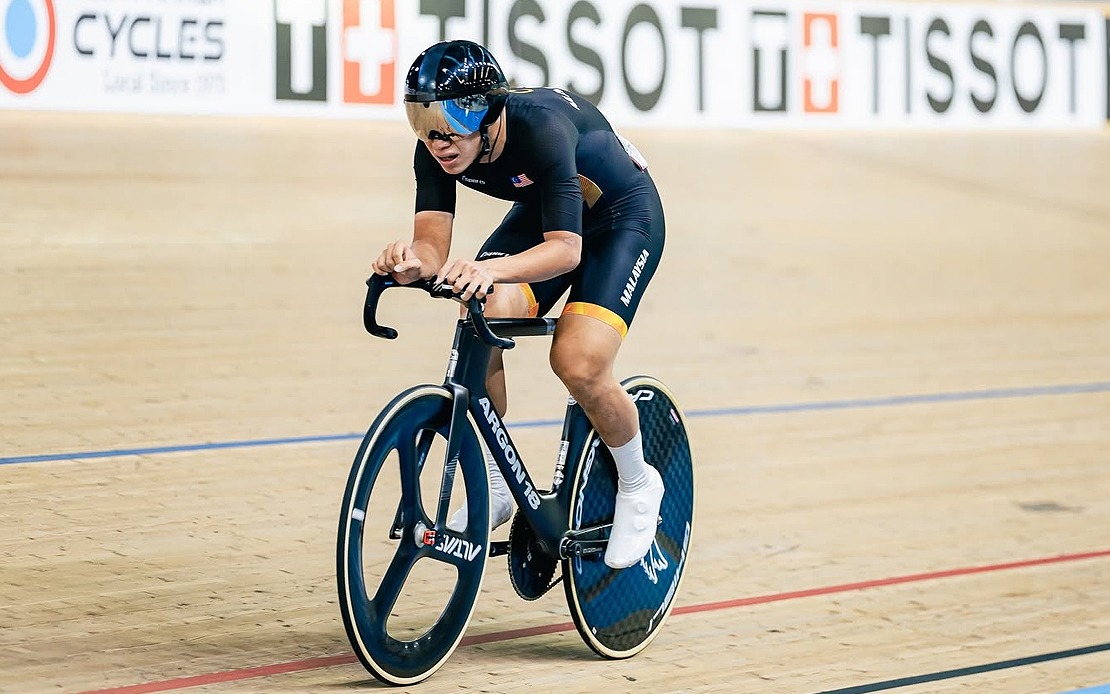
National track cyclist Lau New Joe is in stable condition and has received medical clearance to return to Malaysia following a serious collision during the men's 10-kilometre scratch race final at the 2026 Glasgow Commonwealth Games on Saturday. The incident, which involved nine riders competing at the Sir Chris Hoy Velodrome, occurred in the closing stages of the race as competitors intensified their sprint towards the finish line. New Joe, who was making his Commonwealth Games debut at this edition of the biennial sporting event, was stretchered off the track by medical personnel and officially listed as "Did Not Finish" in the race results.
The extent of New Joe's injuries became clearer following comprehensive medical evaluation at Queen Elizabeth University Hospital in Glasgow. According to Dr Kamarul Hashimy Hussein, chief medical officer of the Malaysian contingent, the cyclist underwent detailed diagnostic imaging including computed tomography scanning and full-body X-rays to assess potential trauma. The CT scan provided reassuring news for the athlete and the Malaysian sports establishment, revealing no internal bleeding within the cranial cavity despite the apparent severity of the impact.
While the absence of intracranial injury represents a significant relief, New Joe did sustain structural damage to his facial skeleton. Medical specialists identified minor fractures affecting several facial bones, injuries that required immediate specialist intervention. The athlete was subsequently referred to maxillofacial specialists who provided treatment through the night, working from approximately 9 pm until 1 am to stabilise his condition and address acute concerns. These specialists included two dental maxillofacial experts who administered immediate care protocols to minimise complications and establish a foundation for ongoing recovery.
Beyond the facial fractures, New Joe incurred significant dental trauma that will necessitate sustained therapeutic intervention over an extended period. The crash resulted in fractured teeth requiring multiple treatment sessions coordinated with maxillofacial specialists in Malaysia. This dental damage represents a secondary concern that will occupy considerable attention during his rehabilitation phase, with several follow-up procedures anticipated before full recovery is achieved. The combination of dental and skeletal injuries, while serious, fell short of the catastrophic outcomes that might have resulted from such a high-speed cycling collision.
Following stabilisation and completion of acute-phase treatment, New Joe was discharged from hospital and transferred to the Malaysian team hotel in Glasgow. This transition from hospital care to team accommodation reflects medical confidence in his stability and ability to tolerate the return journey to Southeast Asia. His scheduled departure with the national contingent on August 3rd underscores the medical team's assessment that continued hospitalisation in Scotland was unnecessary, though comprehensive follow-up monitoring remains essential.
The Malaysian sports medical establishment has implemented a structured recovery protocol to guide New Joe's rehabilitation journey. The National Sports Institute will assume primary responsibility for his clinical oversight upon returning to Malaysia, coordinating dental and maxillofacial treatment with his broader recovery framework. Beyond the physiological dimensions of injury management, NSI will extend psychological support to the athlete, recognising that recovery from traumatic incidents extends beyond physical healing. Dr Kamarul emphasised that New Joe demonstrates strong mental resilience and competitive spirit, factors that will prove valuable during the challenging rehabilitation period ahead.
Recovery protocols will incorporate careful monitoring of New Joe's physical conditioning, with particular attention to cardiovascular fitness, muscular endurance, and stamina. These metrics assume critical importance for a track cyclist whose sport demands explosive power and sustained aerobic capacity. The medical team will conduct structured assessments to ensure he regains adequate physical condition before receiving clearance to return to competitive cycling. This cautious approach reflects best practice in managing return-to-sport decisions following significant traumatic injury, prioritising long-term athlete welfare over short-term competitive pressures.
Potential participation in upcoming major competitions drives rehabilitation urgency without compromising medical judgment. Dr Kamarul indicated hope that New Joe might be cleared to compete at the Asian Games scheduled for September 19 through October 4, less than seven weeks following his Glasgow accident. This ambitious timeframe is contingent upon achieving satisfactory healing of facial fractures and dental injuries, as well as restoring full physical conditioning. However, medical professionals have appropriately declined to guarantee such a timeline, instead committing to evidence-based decision-making regarding his readiness for elite competition.
The crash mechanism itself reflects the inherent risks confronting track cyclists competing in elite sprint events. The nine-rider collision occurred during the intensifying final moments when competitive tension peaks and tactical positioning becomes increasingly aggressive. New Joe's brief loss of consciousness immediately following impact underscores the biomechanical forces at play in modern track cycling, where speeds exceed 60 kilometres per hour and proximity between riders diminishes safety margins. The incident serves as reminder of the physical demands and associated hazards inherent to the sport, even at elite Commonwealth Games level.
From a broader Malaysian sporting perspective, New Joe's situation illustrates both the exceptional talent emerging within national cycling and the medical support infrastructure now available to Malaysian athletes competing internationally. The coordinated response involving Queen Elizabeth University Hospital specialists, NSI oversight, and structured rehabilitation protocols reflects Malaysia's professional approach to athlete healthcare. His expected return to Malaysia with medical clearance demonstrates the confidence of the Scottish medical team in the athlete's stability and the Malaysian contingent's capacity to manage ongoing care requirements. This incident, while serious, ultimately showcases systems working effectively to protect athlete welfare while maintaining realistic pathways toward competitive return.

