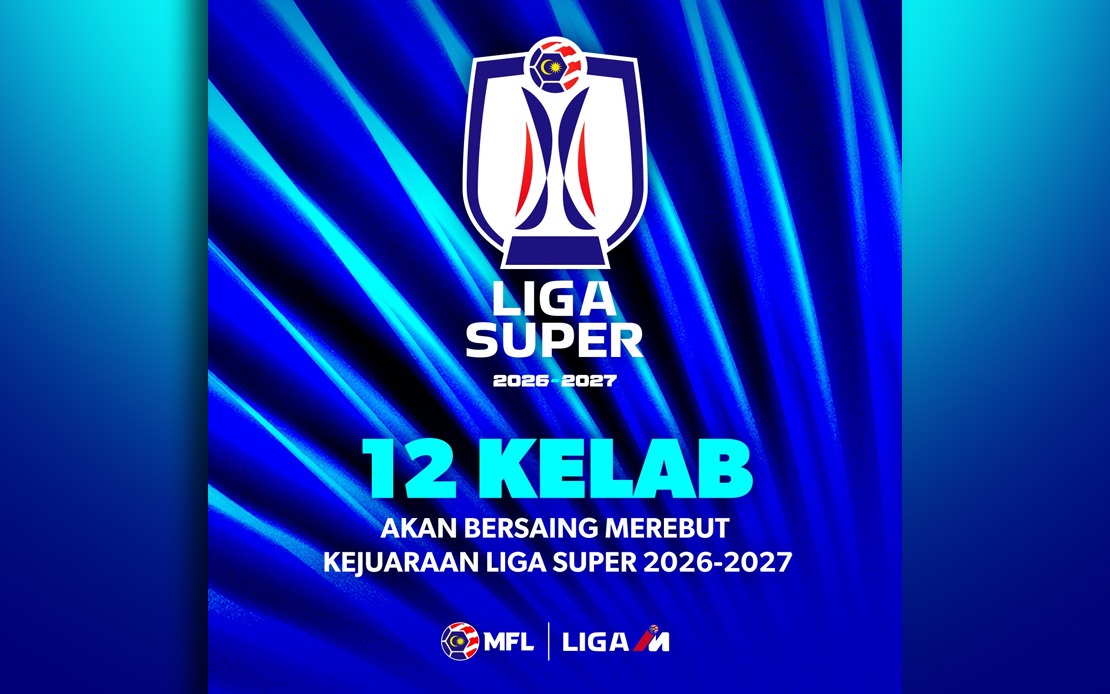
The Malaysia Football League has locked in 11 participating clubs for the 2026/2027 Super League season, which will commence on August 21, leaving just one remaining slot to be determined following a crucial licensing decision on July 16. This announcement represents a significant milestone in planning for the coming domestic campaign and provides clubs and stakeholders with clarity regarding the competition structure heading into the new season.
The confirmed participating clubs span the breadth of Malaysian football's professional tier. Johor Darul Ta'zim, the dominant force in recent years, will be joined by Kuching City FC, Selangor FC, Kuala Lumpur City FC, Terengganu FC, Star City FC, Negeri Sembilan FC, Penang FC, Sabah FC, DPMM FC, and Melaka FC. This combination of established powerhouses and emerging clubs provides a competitive mix that should generate interest across the nation's football regions. The inclusion of both Sabah FC and DPMM FC ensures strong representation from the eastern Malaysian states, maintaining the Super League's geographic diversity.
The crucial outstanding question centres on PDRM FC's eligibility. The First Instance Body will deliver its verdict on whether the police team meets the mandatory club licensing compliance conditions established by the league. This regulatory framework ensures that all participating institutions maintain adequate financial health, administrative standards, and sporting infrastructure. The decision carries implications not only for PDRM FC but for the broader integrity of the professional league system. PDRM has historically been a significant presence in Malaysian football, and their participation carries both competitive and institutional weight within the domestic game.
Should PDRM FC fall short of the requisite licensing standards, Kelantan Red Warrior FC emerges as the frontrunner to fill the vacant twelfth berth. The Kelantan-based club has demonstrated ambition in recent seasons and possesses the infrastructure and support base necessary for Super League participation. However, their elevation would depend on their own compliance standing and the league's assessment of their readiness to compete at the highest domestic level. This contingency planning reflects the MFL's commitment to maintaining standards while ensuring competitive depth.
The competition calendar reveals an ambitious and well-structured programme. The season will formally open with a Charity Shield match between JDT and Kuching City at Sultan Ibrahim Stadium on August 21, which will simultaneously serve as the opening Super League fixture. This dual-purpose match represents an efficient use of the opening weekend while generating additional prestige through the traditional charity competition format. JDT's seeding in this fixture reflects their consistent dominance and reputation as the league's premier attraction.
Parallel competitions will provide additional competitive pathways throughout the calendar. The FA Cup will launch in early September, with qualifying rounds and group stages running through the autumn months before culminating in a final scheduled for January 16, 2027. This timeline allows adequate preparation and group-stage completion before the year's conclusion. The Malaysia Cup, representing the nation's second-tier competitive format, will commence in late January 2027, running through the early months of the new calendar year with the championship final set for May 30, 2027. This scheduling ensures that the Malaysia Cup occupies the latter portion of the season, providing a natural concluding tournament after the primary Super League competition concludes.
The MFL Challenge Cup provides a third competitive avenue for clubs, particularly valuable for institutions seeking additional match exposure and revenue opportunities. This tournament will launch in mid-February 2027, with knockout matches spanning the late winter period. The final format encompasses a two-leg aggregate tie, scheduled for April 11 and April 18, 2027, allowing teams to contest for the trophy through the spring months. This multi-competition structure ensures sustained interest throughout the calendar and maximises opportunities for clubs across the league hierarchy.
From a Malaysian football development perspective, the confirmation of these 11 clubs and the detailed competition schedule provides essential planning clarity for clubs, broadcasters, and stakeholders. The timing of competitions, particularly the scheduling of cup finals across the May and June period, allows clubs to plan pre-season activities and international fixture commitments effectively. For supporters and commercial partners, the published calendar enables ticket planning and marketing coordination across the entire football calendar year.
The geographic spread of confirmed clubs merits consideration for Southeast Asian competitive dynamics. With Kuching City FC representing Sarawak and multiple clubs maintaining strong followings across Malaysia's states, the Super League structure reflects the nation's football demographics while supporting regional development. DPMM FC's continued participation strengthens the league's Brunei connection, enhancing the competition's profile within the broader Southeast Asian football ecosystem. The domestic league's strength directly influences Malaysia's performance in regional AFC Club Championships and other continental competitions.
The July 16 licensing decision will prove critical not merely for PDRM FC but for the league's broader regulatory credibility. If the FIB enforces standards rigorously, it reinforces the MFL's commitment to sustainable club management and financial responsibility. Conversely, any lenient application of licensing rules risks undermining the competitive framework and establishing concerning precedent. This balance between operational pragmatism and regulatory consistency will shape stakeholder confidence in the league's governance structures throughout the coming seasons.
Clubs now possess sufficient certainty to finalise roster planning and fixture scheduling. With the August 21 launch date confirmed and the competition calendar published through May 2027, management can proceed with player recruitment and tactical preparations. The extended knowledge of the competition structure—including the three parallel tournaments and their respective scheduling—enables clubs to calibrate squad depth and investment strategies according to their competitive ambitions across multiple fronts. This clarity represents a significant operational advantage as the 2026/2027 campaign approaches.

