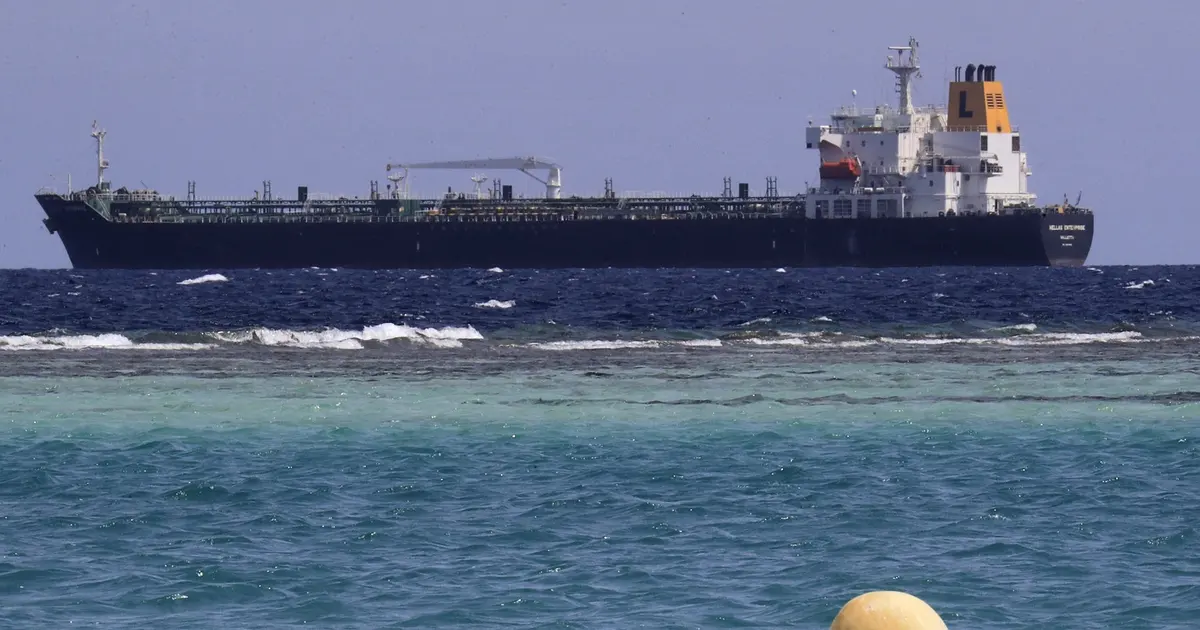
A Petronas-operated vessel has obtained approval to proceed through the Red Sea and is expected to arrive in Melaka next month, representing a significant development in Malaysia's maritime operations amid ongoing regional security challenges. Prime Minister Anwar Ibrahim has seized on the clearance as evidence that Malaysia's carefully calibrated foreign policy approach continues to yield tangible benefits for the nation's economic interests.
The passage through the Red Sea remains a sensitive matter, given the heightened tensions that have characterised the region in recent months. The waterway represents a critical maritime corridor for global commerce, and any disruptions to shipping lanes carry far-reaching consequences for economies throughout Southeast Asia that depend heavily on stable trade routes. Malaysia, as a major maritime trading nation with significant petroleum and petrochemical interests, faces particular exposure to instability in these waters.
Anwar's comments reflect the government's broader strategic positioning on regional geopolitics. Malaysia has consistently advocated for a balanced approach to international relations, one that avoids alignment with any single power bloc while maintaining pragmatic engagement across multiple stakeholders. This philosophy has become increasingly relevant as great power competition intensifies across the Indo-Pacific region, with nations large and small compelled to navigate complex diplomatic terrain.
The clearance for the Petronas vessel underscores how effective diplomacy can translate into concrete operational advantages for national enterprises. Petronas, as Malaysia's national oil and gas champion, plays a crucial role in the country's energy security and export earnings. The company's ability to maintain regular operations across critical maritime routes directly impacts Malaysia's economic resilience and competitiveness in global energy markets.
The timing of this development carries particular significance for Malaysian policymakers. Southeast Asian nations have grown increasingly concerned about the stability of their supply lines and the free passage of commercial vessels through contested waters. The region's prosperity depends fundamentally on unobstructed access to major shipping lanes, making maritime security an issue of paramount national interest rather than merely academic concern.
Anwar's emphasis on prudent foreign policy reflects a deliberate strategic choice made by the Malaysian government. Rather than adopting confrontational postures or openly declaring alignment with particular international camps, Malaysia has worked to maintain channels of communication and understanding with all relevant parties. This approach has occasionally drawn criticism from those who advocate for more forthright stances on various regional issues, yet it continues to deliver practical dividends in enabling Malaysian commercial interests to operate with reasonable security.
The clearance also demonstrates the value of quiet diplomacy in addressing complex security challenges. Behind such developments typically lies extensive behind-the-scenes engagement with multiple parties, negotiation of understandings, and careful calibration of messaging. These diplomatic efforts, while often invisible to public view, form the foundation upon which Malaysia's ability to protect its economic interests ultimately rests.
For Malaysian readers following energy and trade issues, the successful transit of this Petronas vessel carries implications extending well beyond a single shipment. It signals confidence in Malaysia's ability to maintain regular operations within the global energy supply system, reassuring both investors and trading partners about the stability of Malaysian-based commercial activities. Companies headquartered in Malaysia similarly derive reassurance from evidence that the government can facilitate their operations across troubled waters.
The arrival in Melaka, Malaysia's historic trading port, carries symbolic weight alongside its practical significance. The port city remains central to Malaysia's maritime economy and regional shipping networks. Operations there depend on the continued smooth flow of international commerce, making the unimpeded passage of major trading vessels essential to local prosperity and employment.
Looking forward, the successful navigation of this vessel through the Red Sea may establish a precedent or provide evidence that Malaysian commercial shipping can maintain regular operations despite regional tensions. As other Malaysian companies contemplate operations in similarly challenging areas, such precedents become important reference points in assessing feasibility and risk. Government-facilitated clearances thus serve a confidence-building function that extends throughout the broader Malaysian business community.
The Prime Minister's framing of this development as validation of Malaysia's foreign policy approach reflects a government increasingly confident in its diplomatic methodology. As regional challenges multiply and international pressures intensify, Malaysia's insistence on pragmatism over ideology appears validated by tangible operational results. This may embolden the government to maintain its current diplomatic course even as domestic political pressures occasionally pull in different directions.
Moreover, the episode illustrates how energy security concerns remain inseparable from broader geopolitical considerations in modern Southeast Asia. Nations cannot pursue energy independence in isolation from wider international relations. Malaysia's ability to ensure regular supply flows and operational security for its energy sector depends ultimately on managing its relationships with multiple international actors and maintaining enough diplomatic credibility that all parties respect Malaysian interests and operations.

