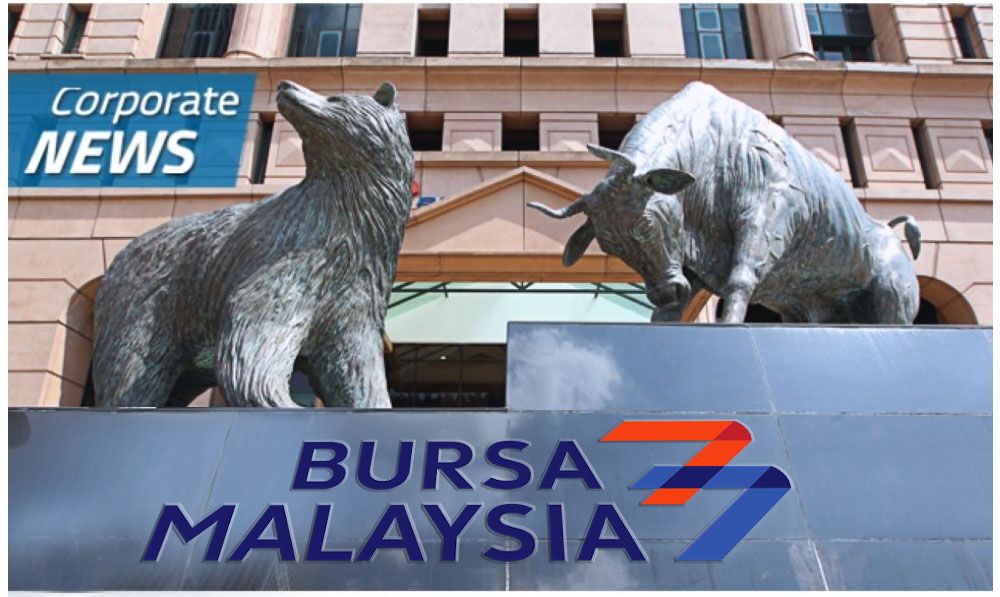
A wave of corporate activity across Malaysia's diversified business landscape reveals how companies are positioning themselves for growth through strategic acquisitions, government clearances, and high-value contracts in emerging sectors. The announcements underscore a pattern of Malaysian firms diversifying into infrastructure, logistics, and advanced manufacturing—areas that promise both near-term revenue and longer-term competitive advantages as Southeast Asia's economy evolves.
Berjaya Property Bhd is making a substantial push into maritime and energy infrastructure by committing RM58.0 million to Manjaran Sdn Bhd, granting it a stake in the ambitious Perlis Maritime Corridor project. This move signals the property developer's willingness to pivot beyond traditional real estate into ports, logistics hubs, and energy infrastructure—sectors that typically offer stable, long-term cash flows and government support. The Perlis Maritime Corridor, located in Malaysia's northernmost state, is positioned as a regional gateway and has attracted attention from both domestic and international investors seeking to benefit from cross-border trade facilitation and ASEAN connectivity. For Berjaya Property, the investment diversifies its revenue streams beyond property development and positions it to capitalise on infrastructure modernisation along Malaysia's northern corridor, an area historically less developed than western coastal regions.
The investment reflects a broader trend among property and construction-linked companies in Malaysia seeking exposure to government-backed infrastructure projects. The port and logistics sectors, in particular, remain attractive given Malaysia's strategic location on global shipping lanes and the region's growing e-commerce and manufacturing activity. However, such ventures carry regulatory and execution risks, particularly in coordinating with port authorities and managing complex logistics operations—domains requiring specialised expertise beyond traditional property development.
Cropmate Bhd received a significant administrative clearance when the Malaysian Anti-Corruption Commission lifted a freeze on all bank accounts affecting the company and its subsidiaries. The decision means no directors, officers, or employees have faced arrest or charges, and no asset forfeiture proceedings have been initiated. This resolution removes a major cloud of uncertainty that had hung over the agricultural and related services company, allowing management to refocus on business operations and investor relations without the distraction of ongoing investigations. For shareholders, the clearance restores confidence in the company's governance and financial stability, though the sequence of events—the initial freeze, investigation, and eventual clearance—underscores the importance of robust compliance frameworks in Malaysian corporate operations.
The MACC's action reflects the regulator's commitment to investigating suspected irregularities while also recognising the distinction between investigation and culpability. Companies facing such scrutiny often experience stock price volatility, operational disruption, and reputational damage during investigation periods. Cropmate's swift clearance suggests either that initial concerns were resolved or that evidence did not support formal charges—either way, the company can now move forward with renewed operational focus and rebuild market confidence through transparent communications and demonstrated compliance improvements.
Liftech Group Bhd is expanding its engineering footprint in high-value sectors by securing a RM25.0 million contract from AME Construction Sdn Bhd to supply material handling systems for an aerospace-related test cell facility in Sepang, Selangor. This award demonstrates growing demand for sophisticated engineering solutions within Malaysia's aerospace and defence ecosystem, a sector that the government has prioritised as part of its manufacturing diversification strategy. Sepang, home to the Kuala Lumpur International Airport and various aerospace clusters, has emerged as a regional hub for aircraft maintenance, repair, and overhaul (MRO) services, as well as component manufacturing and testing.
The contract is particularly significant because it reflects Malaysia's competitive position in aerospace services. The test cell facility mentioned suggests investment in capabilities for testing aircraft systems and components—a high-margin, knowledge-intensive activity that requires precision engineering and specialised expertise. For Liftech Engineering, the win validates its technical capabilities and positions it within a growth industry. Aerospace and defence contracts typically carry extended timelines and repeat business potential, offering revenue visibility that benefits both the contractor and its investors. Such projects also frequently open doors to additional work within the same ecosystem, as clients integrate trusted vendors into their supply chains and expand operations.
Collectively, these announcements illustrate how Malaysian publicly listed companies are navigating a dynamic business environment by pursuing diversification, managing regulatory compliance, and capturing opportunities in infrastructure and advanced manufacturing. The investments and contracts span multiple regions—from Perlis in the north to Selangor in the central corridor—reflecting development initiatives across the country rather than concentration in a single economic zone.
For investors monitoring Malaysian equities, these developments suggest selective strength across property, agriculture-related services, and engineering sectors. The key variables remain execution capability—whether firms can deliver on contracted timelines and quality specifications—and broader economic conditions affecting demand for ports, agricultural products, and aerospace services. The pace of such announcements also reflects confidence among management teams that business conditions support growth investment, though geopolitical tensions, supply chain disruptions, and fluctuating commodity prices remain material risks that could impact outcomes.

