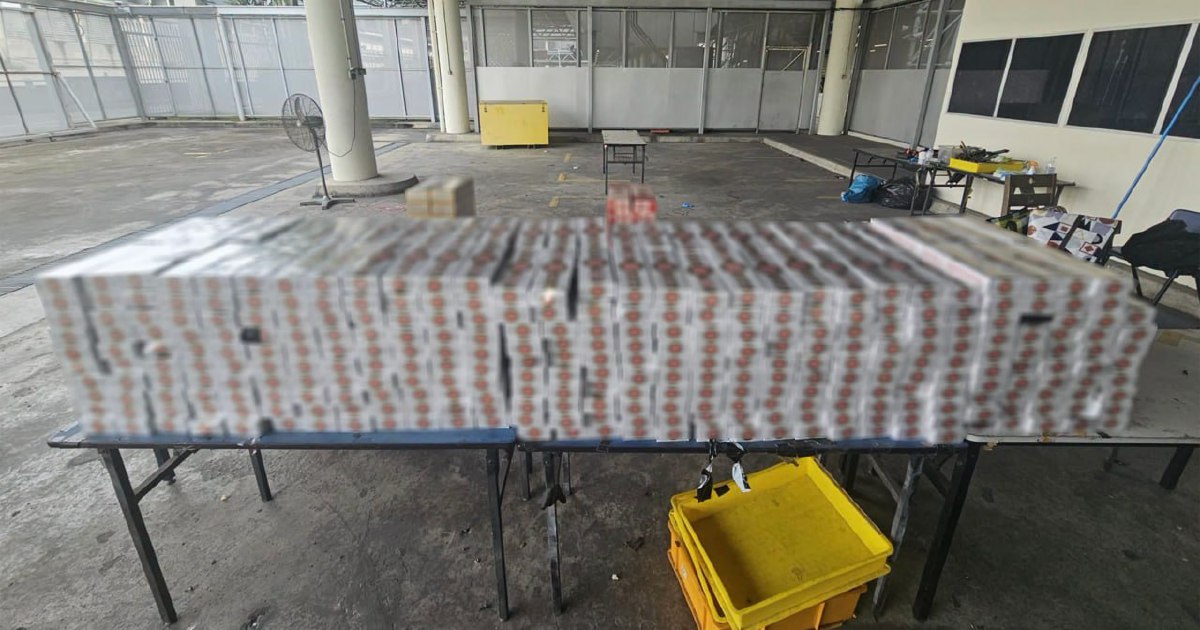
A 30-year-old Malaysian motorist has been detained by Singapore authorities following the discovery of a substantial quantity of duty-unpaid cigarettes during a routine inspection at Woodlands Checkpoint. Officers conducting vehicle checks uncovered more than 700 cartons and 100 packets of cigarettes that had been deliberately hidden within the car, triggering immediate arrest and investigation into the suspected smuggling operation.
The discovery underscores the persistent challenge of illicit tobacco trafficking across the Malaysia-Singapore border, where significant duty differentials create strong financial incentives for contraband movement. Singapore's excise taxes on cigarettes rank among the highest in Southeast Asia, making locally sold cigarettes substantially more expensive than those in neighbouring countries. This price gap has long fuelled cross-border smuggling networks that exploit checkpoint procedures, despite increasingly sophisticated detection methods employed by Singaporean customs.
Woodlands Checkpoint, situated at the northern entrance to Singapore via the Causeway, remains one of the region's busiest international border crossings, processing thousands of vehicles daily. The checkpoint's critical role in Singapore's border security makes it a focal point for both legitimate commerce and smuggling attempts. Enhanced screening protocols and random vehicle inspections have become standard procedure, yet determined smugglers continue to devise methods to conceal prohibited goods, indicating the ongoing cat-and-mouse dynamics between enforcement authorities and trafficking networks.
The scale of this particular seizure—exceeding 700 cartons—suggests a commercial operation rather than personal consumption. Smugglers typically work within established networks that coordinate supply chains, identify vulnerable smuggling routes, and distribute contraband through retail channels across Singapore. Such organised activity generates substantial profit margins given the substantial duty component of cigarette pricing in Singapore, where a pack can cost nearly three times the Malaysian equivalent.
For Malaysian readers, this incident illustrates how cross-border commerce remains closely monitored and regulated by both nations' authorities. While legitimate trade flows freely across the Causeway, attempts to circumvent customs regulations invite serious consequences. Singaporean law enforcement treats tobacco smuggling as a priority concern, not merely a revenue issue but also part of broader efforts to regulate markets and maintain the integrity of border controls. Penalties for smuggling can include substantial fines and imprisonment, creating significant legal jeopardy for those involved.
The incident also reflects broader regional concerns about illicit trade in excisable goods. Beyond cigarettes, authorities across Southeast Asia continue battling smuggling of alcohol, fuel, and other duty-controlled products. These contraband networks often interlink with organised crime structures, making enforcement a multifaceted challenge requiring cooperation across jurisdictions. Singapore's robust customs apparatus and strict enforcement send clear deterrent messages, though the persistent flow of smuggling attempts indicates that financial incentives continue outweighing perceived risks for participants in these networks.
From a Malaysian perspective, such enforcement actions by Singapore authorities indirectly protect the integrity of Malaysian borders as well. When Singapore successfully intercepts smuggling attempts, it reduces the incentive for networks to operate extensively across the border. However, Malaysia also faces its own cigarette smuggling challenges, including illegal manufacturing and trafficking destined for domestic markets, suggesting that tobacco contraband presents a shared regional problem requiring coordinated responses.
The economic calculations driving such smuggling attempts highlight the significance of tax policy across Southeast Asia. While governments impose high excise duties to discourage consumption and generate revenue, these measures inadvertently create opportunities for illicit markets. Singapore's approach emphasises strict enforcement to maintain tax compliance, whereas some regional governments are exploring alternative strategies including supply-side interventions and public health messaging.
Detention of the Malaysian suspect marks another enforcement success for Singapore's Immigration and Checkpoints Authority and other relevant agencies. However, security experts acknowledge that seizures represent only a fraction of contraband that successfully crosses borders. The existence of sophisticated smuggling operations suggests that profit margins remain attractive despite increased enforcement efforts, indicating that the fundamental structural factors driving smuggling—significant duty differentials—remain substantially unaddressed.
For Malaysian nationals engaged in cross-border activities, such incidents serve as stark reminders of enforcement realities. Woodlands Checkpoint operates under strict protocols, and authorities have progressively refined detection capabilities. Beyond immediate legal consequences, involvement in smuggling operations exposes individuals to criminal records that significantly impair future employment prospects, travel opportunities, and social standing. The 30-year-old detainee now faces the prospect of prosecution under Singapore's customs legislation, potentially resulting in incarceration and substantial financial penalties that far exceed any profit from contraband sales.

