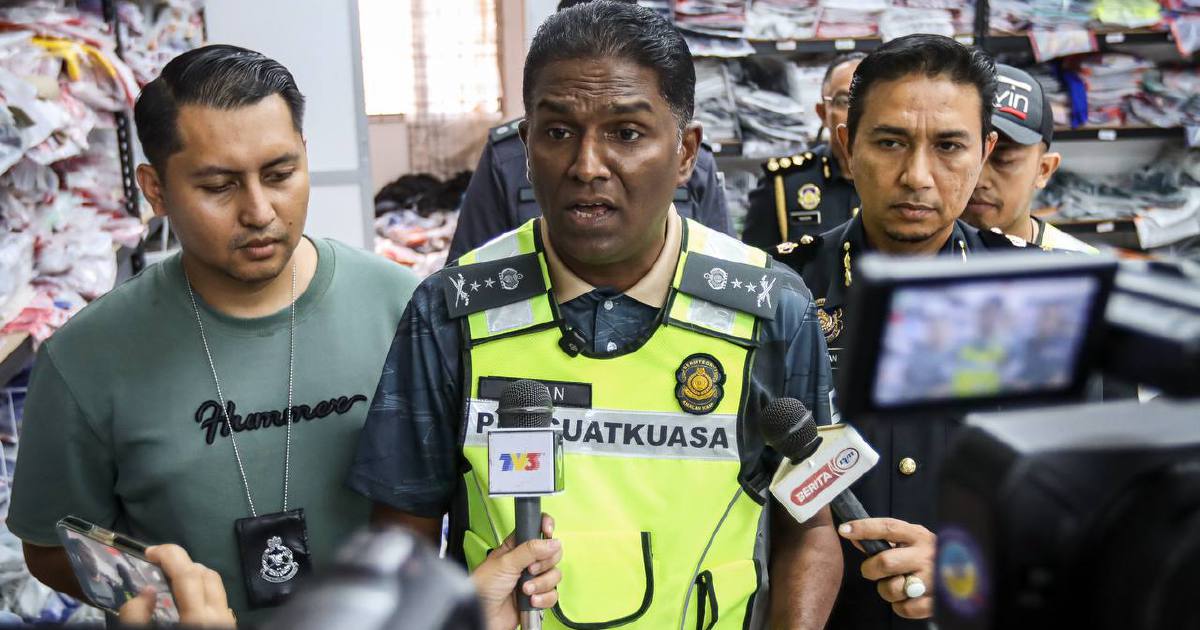
In a significant operation against counterfeit merchandise, the Domestic Trade and Cost of Living Ministry has confiscated more than half a million ringgit worth of illegal FIFA World Cup 2026 jerseys. Enforcement teams conducted raids in Nibong Tebal, uncovering 10,190 fake match shirts bearing the official branding of the forthcoming international tournament scheduled for North America. The seizure represents a substantial haul in the ministry's ongoing campaign to protect consumers and legitimate retailers from the proliferation of unlicensed sporting merchandise flooding Malaysian markets.
Counterfeit sports jerseys remain a persistent challenge across Southeast Asia, where organised networks exploit high consumer demand for major international events. The FIFA World Cup generates unparalleled global interest, making official merchandise exceptionally lucrative for counterfeiters who rely on sophisticated reproduction techniques to deceive purchasers. These illegal operations frequently operate with minimal overhead, undercutting authorised retailers by significant margins and generating substantial profits through volume sales. The scale of the Nibong Tebal seizure suggests a coordinated distribution operation rather than small-scale black-market activity, indicating that law enforcement efforts are targeting the supply chain at wholesale levels.
The valuation of RM509,500 reflects the calculated retail equivalent of these items rather than their acquisition cost or street value. This methodology enables authorities to communicate the economic impact of counterfeiting to the public and underscore the severity of enforcement actions. From a consumer perspective, however, the actual deception is more insidious. Purchasers of counterfeit jerseys typically pay substantially less than genuine products, creating an economic incentive that sustains the entire illicit supply chain. The inferior quality of fake merchandise—often evident through poor stitching, faded logos, and substandard materials—frequently becomes apparent only after purchase, by which point money has already transferred to criminal networks.
Enforcement actions of this magnitude require coordination across multiple agencies and careful intelligence gathering to identify storage facilities and distribution hubs. The Ministry's capacity to conduct successful raids indicates improving capabilities in tracking illicit merchandise networks, though the consistency of such seizures suggests that supply continues to outpace enforcement efforts. Regional cooperation remains critical, as counterfeit goods often originate from neighbouring jurisdictions before entering Malaysian distribution channels. Without simultaneous action at manufacturing and border control points, individual seizures represent temporary disruptions rather than systematic solutions to the counterfeiting problem.
The proximity of the 2026 World Cup intensifies focus on counterfeit merchandise, as criminal networks accelerate production and distribution ahead of the tournament. Historical patterns from previous major sporting events demonstrate that counterfeiting activity peaks significantly in the months immediately preceding competitions. Malaysia's location as a major logistics hub in Southeast Asia makes it both a transit point and significant consumption market for illicit goods. The nation's ports, airports, and land borders experience substantial flows of merchandise daily, creating enforcement challenges that require sophisticated detection capabilities and sustained resource commitment.
Legitimate merchandise licensing agreements involve substantial payments to FIFA and authorised distributors, creating substantial compliance costs that legal retailers must absorb. These expenses ultimately reflect in higher consumer prices, which paradoxically incentivises demand for counterfeit alternatives. Consumers unaware of the connection between their purchasing decisions and support for organised criminal activity may rationalise buying fake jerseys as economical choices. Education campaigns emphasising health and safety risks associated with counterfeit goods—such as toxic dyes and hazardous materials used in some fake merchandise—have proven effective in previous jurisdictions in reducing demand for illicit products.
The Domestic Trade and Cost of Living Ministry's enforcement priority reflects broader governmental commitment to protecting intellectual property rights and maintaining market integrity. These efforts extend beyond simple consumer protection, encompassing safeguarding legitimate businesses, preserving government tax revenue, and undermining financing mechanisms for more serious criminal enterprises. Counterfeiting frequently operates alongside other illicit activities within criminal organisations, making successful anti-counterfeiting enforcement a component of broader law enforcement strategies. The seizure of merchandise with significant street value denies criminal networks capital that might otherwise fund additional illicit operations.
Consumer awareness regarding distinguishing authentic from counterfeit merchandise remains inconsistent across Malaysia. Many purchasers lack familiarity with genuine product specifications, making them vulnerable to sophisticated reproduction attempts. Online marketplaces present particular challenges, as digital transactions eliminate opportunities for physical product inspection before purchase. The proliferation of e-commerce platforms has simultaneously expanded the reach of counterfeiters and complicated enforcement efforts, requiring authorities to develop digital investigation techniques alongside traditional street-level operations. Cooperation with online platforms to remove listings for counterfeit merchandise remains an ongoing priority for regulatory authorities.
The seized jerseys' intended market likely encompassed both casual purchasers seeking affordable World Cup merchandise and organised retailers operating illicit distribution networks through street markets, online platforms, and informal retail channels. The volume of confiscated items suggests sophisticated logistical operations capable of managing inventory, transport, and wholesale distribution across significant geographic areas. Dismantling these networks requires tracing operations backward through supply chains to identify manufacturing sources and upstream distributors, a complex investigative process extending beyond single enforcement actions.
Looking forward, the approach to combating counterfeit merchandise will require sustained enforcement combined with consumer education and cooperation from legitimate retailers and online platforms. The 2026 World Cup presents both a challenge and opportunity—a period of heightened counterfeiting risk but also an occasion to mobilise enforcement resources and publicise the consequences of intellectual property violations. Successful resolution of counterfeiting problems demands multi-stakeholder engagement encompassing government agencies, international organisations, legitimate businesses, and consumers making informed purchasing decisions that ultimately undermine market viability of illicit products.

