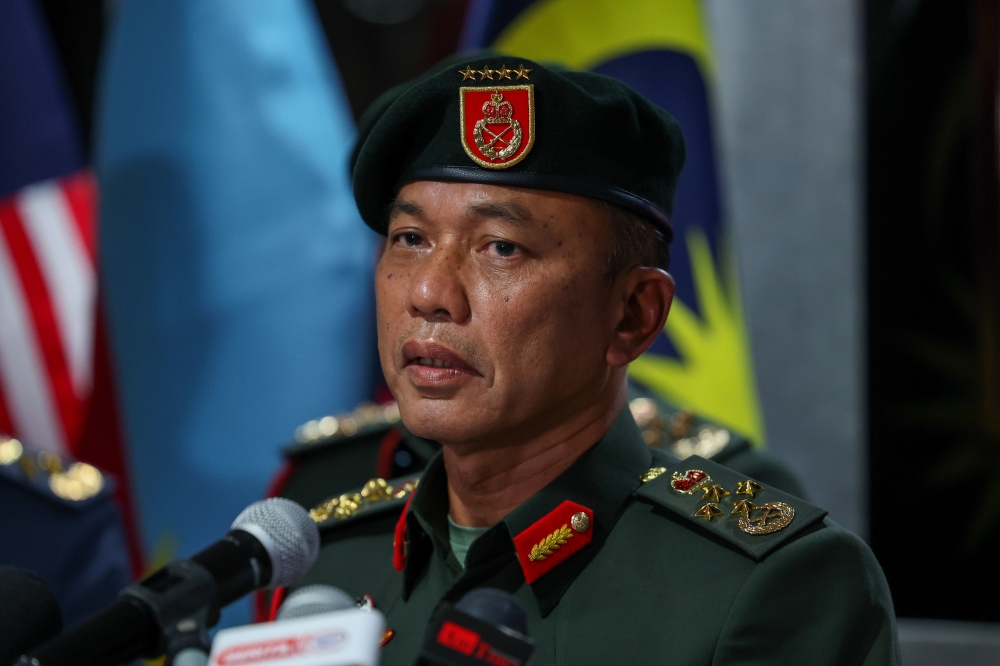
The Malaysian Army has publicly pushed back against rape allegations against one of its members that have spread widely across social media platforms, declaring that findings from its internal investigation fundamentally contradict the accusations. The defence force's statement represents an effort to contain the reputational damage from the viral claims while asserting the credibility of its own inquiry process.
The allegation surfaced in online discussions without initially being reported through official channels, gaining momentum as it circulated among Malaysian social media users. Such cases typically prompt swift reactions from the military establishment, particularly when they risk undermining public confidence in the institution's ability to maintain discipline and safeguard standards of conduct. The timing of the Army's rebuttal suggests officials sought to head off further spread of the allegations before they could trigger broader institutional criticism.
Internal military investigations operate under distinct procedures from civilian police inquiries, with the Malaysian Army conducting its probe according to its own disciplinary framework and chain of command. The transparency and rigour of such investigations have historically been subjects of public scrutiny, particularly in high-profile cases involving serious allegations. The Army's assertion that its findings contradict the rape claims raises questions about the scope and methodology of the internal process, though the military has not yet disclosed detailed findings to the public.
The divergence between viral social media narratives and official military findings underscores a broader challenge facing Malaysian institutions in the digital age. Claims that spread rapidly online often develop momentum independent of verification, creating pressure on authorities to respond quickly even before formal investigations conclude. The Army's statement appears designed to establish a counter-narrative, but leaves open questions about what specific evidence or testimony formed the basis of its contradictory conclusions.
For victims and potential witnesses, the existence of parallel civilian and military justice systems creates complexity. Sexual assault allegations within military ranks typically proceed through military courts and disciplinary boards, but complainants may also lodge reports with civilian police. The relationship between these two investigative pathways and how they coordinate—or fail to coordinate—remains unclear from the Army's statement. This fragmentation could affect the consistency and comprehensiveness of accountability mechanisms.
The case reflects persistent concerns about sexual misconduct within Malaysia's armed forces, an issue that has periodically drawn media attention and civil society scrutiny. Reports of harassment and assault involving military personnel occasionally surface, though the prevalence and systematic handling of such incidents remain inadequately documented in public discourse. The Army's response in this instance will likely shape how similar allegations are perceived and handled going forward.
Social media's role in surfacing allegations without initial institutional reporting channels creates particular complications. While digital platforms can amplify legitimate concerns that might otherwise be suppressed, they can also spread misinformation or unverified claims with equal ease. The Malaysian military's reliance on an internal investigation, conducted largely away from public view, cannot fully address the trust deficit created when allegations gain organic traction online before official responses materialise.
The Army's statement does not clarify what mechanism prompted the internal investigation or whether it was initiated in response to the social media allegations or through separate complaints. Understanding the investigation's origin and scope matters significantly for assessing its credibility. Additionally, the timing of any investigation relative to when the allegations first circulated may indicate whether the military was proactive in addressing concerns or merely reactive once public attention became unavoidable.
For Malaysian civil society organisations focused on human rights and accountability, this case highlights the need for clearer institutional frameworks governing sexual misconduct allegations within the military. Advocates have previously called for greater transparency in how armed forces handle such complaints, stronger victim protections, and mechanisms ensuring civilian oversight of serious offences. The opaque nature of military investigations, contrasted with public social media allegations, suggests institutional reform may be warranted.
The broader Southeast Asian context adds dimension to this case. Regional militaries have faced similar allegations and criticism regarding institutional responses to sexual misconduct. Malaysia's handling of this situation will be observed by civil society networks across the region as a potential indicator of standards and accountability mechanisms in the Malaysian armed forces. Comparisons with how neighbouring countries' militaries address similar allegations may influence expectations for institutional transparency.
As the allegations continue circulating online, the Army faces the challenge of restoring confidence in both the accused serviceman and its investigative process. Simply asserting that internal findings contradict the claims may not satisfy those seeking greater transparency or public accountability. The path forward likely depends on whether the military chooses to disclose additional details about its investigation or maintains its current posture of limited public disclosure, a decision that carries implications for institutional credibility and public trust in military accountability systems.

