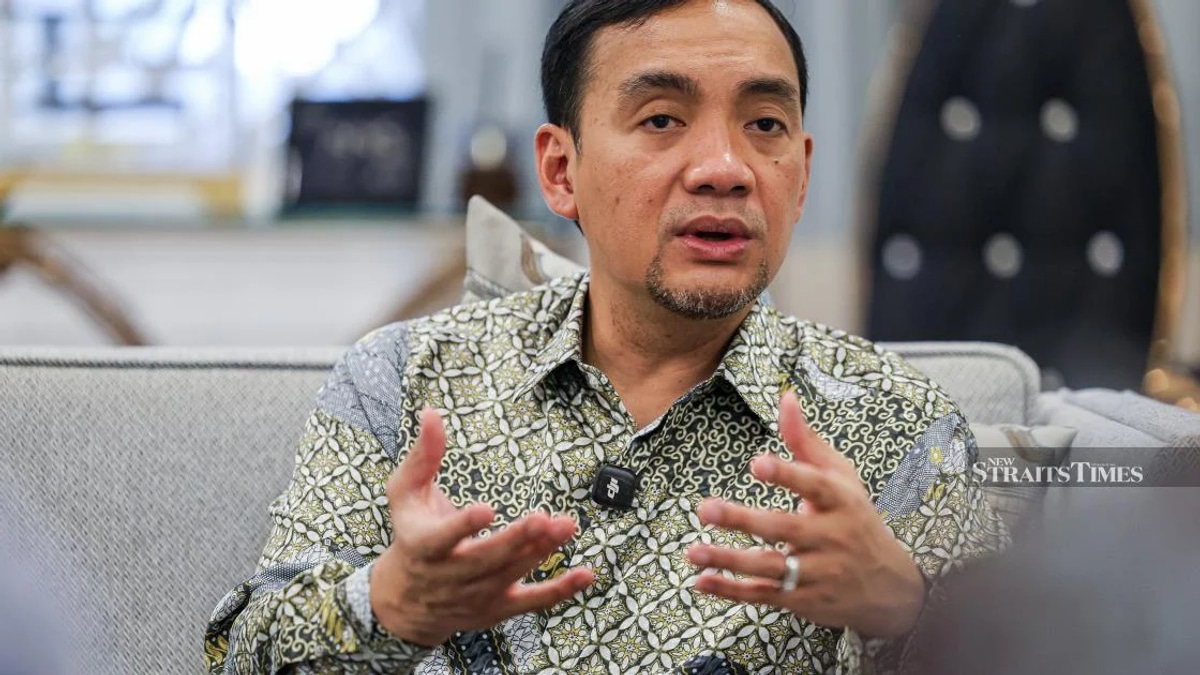
Prime Minister Anwar Ibrahim has issued a forceful warning that developing nations across the globe will not passively accept what he characterises as discriminatory or unjust treatment from European states, signalling a more assertive stance in Malaysia's international relations. Speaking on the matter, Anwar specifically cited Malaysia's current defence-related dispute with Norway as emblematic of the broader pattern of conduct that developing countries increasingly find unacceptable, suggesting that Kuala Lumpur will pursue alternative avenues and partners rather than capitulate to what it deems unfair demands or conditions.
The Prime Minister's remarks reflect a growing frustration within Malaysia's diplomatic circles regarding the asymmetries that persist between developed and developing nations in bilateral dealings. By invoking the Norway case as a tangible example, Anwar has highlighted how even traditionally considered progressive European nations may impose standards or positions that disproportionately burden developing countries, particularly in sensitive sectors such as defence and security. This public positioning serves multiple purposes: it reassures domestic constituencies that their government will defend national interests robustly, whilst simultaneously signalling to other developing nations that Malaysia refuses to accept a subordinate posture in international negotiations.
The Malaysia-Norway dispute, which touches upon defence-related matters, has become a flashpoint in bilateral relations and exemplifies the types of conflicts that can emerge when developed nations attempt to impose their preferences or values upon developing counterparts. Rather than seeking accommodation within frameworks dictated by European interests, Anwar has indicated that Malaysia will explore diversified options, suggesting a willingness to strengthen partnerships with non-European states and institutions that may offer more reciprocal and equitable terms. This approach reflects a broader strategic reorientation whereby developing nations increasingly view themselves as capable of charting independent courses rather than remaining tethered to relationships on disadvantageous terms.
Anwar's declaration carries particular resonance within Southeast Asia, a region that has historically navigated complex relationships with Western powers whilst simultaneously developing closer ties with other rising powers. Malaysian policymakers have long grappled with the tension between maintaining constructive engagement with traditional Western partners and pursuing relationships that better reflect the region's strategic autonomy and economic interests. The Prime Minister's robust language suggests an administration willing to subordinate ceremonial diplomatic courtesies to substantive defence of perceived national advantages.
The defence sector has emerged as a particularly contentious domain for Malaysia-Norway relations, likely involving disagreements over equipment standards, technology transfer, procurement terms, or compliance requirements that Norway has sought to impose. Developing nations frequently encounter resistance from Western suppliers regarding matters such as end-use monitoring, technology limitations, or conditions attached to defence acquisitions that developed countries often negotiate away with one another. By publicly rejecting such constraints, Anwar signals that Malaysia will seek alternative suppliers willing to offer less restrictive arrangements, a calculation that reflects the increasingly competitive global defence market where nations from Asia, Russia, and the Middle East actively court customers.
The broader context of Anwar's comments encompasses the shifting balance of power within the international system, where developing nations possess considerably greater leverage than in previous decades. This leverage stems from multiple sources: diversified economic partnerships, technological advancement within certain sectors, growing military capabilities, and the strategic importance of developing regions to competing global powers. Malaysia's position as a significant regional economy with critical sea lanes passing through its territory further enhances its negotiating capacity, enabling it to credibly pursue alternative relationships should developed nations attempt to impose unfavourable conditions.
For Malaysian readers and policymakers, Anwar's statement underscores the government's commitment to pursuing a foreign policy grounded in pragmatism rather than deference to historical power hierarchies. This positioning aligns with the broader ASEAN principle of centrality and strategic autonomy, whereby Southeast Asian nations resist subordination to any single power or bloc. Malaysia's refusal to accept what it views as discriminatory treatment from Norway or other European nations reflects this commitment, demonstrating that developing countries possess both the will and the alternatives to resist perceived injustices.
The implications for Malaysia-Norway relations remain uncertain, with the dispute potentially leading to prolonged tensions or, alternatively, motivating negotiated settlements that address underlying grievances. However, Anwar's public articulation of the dispute signals that Kuala Lumpur will not prioritise maintaining cordial relations at the expense of substantive national interests. This approach may galvanise other developing nations facing similar pressures from European counterparts to adopt comparable stances, potentially contributing to broader shifts in how such relationships are negotiated.
Looking forward, Anwar's remarks suggest that Malaysia intends to diversify its defence partnerships and strategic relationships more broadly, reducing dependency on traditional Western suppliers and partners. This diversification strategy carries implications not only for Malaysia but for regional stability and international alignment patterns more generally. As developing nations increasingly assert their preferences and refuse to accept terms they perceive as unfair, the architecture of international relations may gradually shift toward more multipolar configurations where developed nations enjoy less structural advantage in bilateral negotiations. Anwar's stance positions Malaysia at the forefront of this recalibration, articulating a vision of international relations grounded in equity and mutual respect rather than inherited hierarchies.