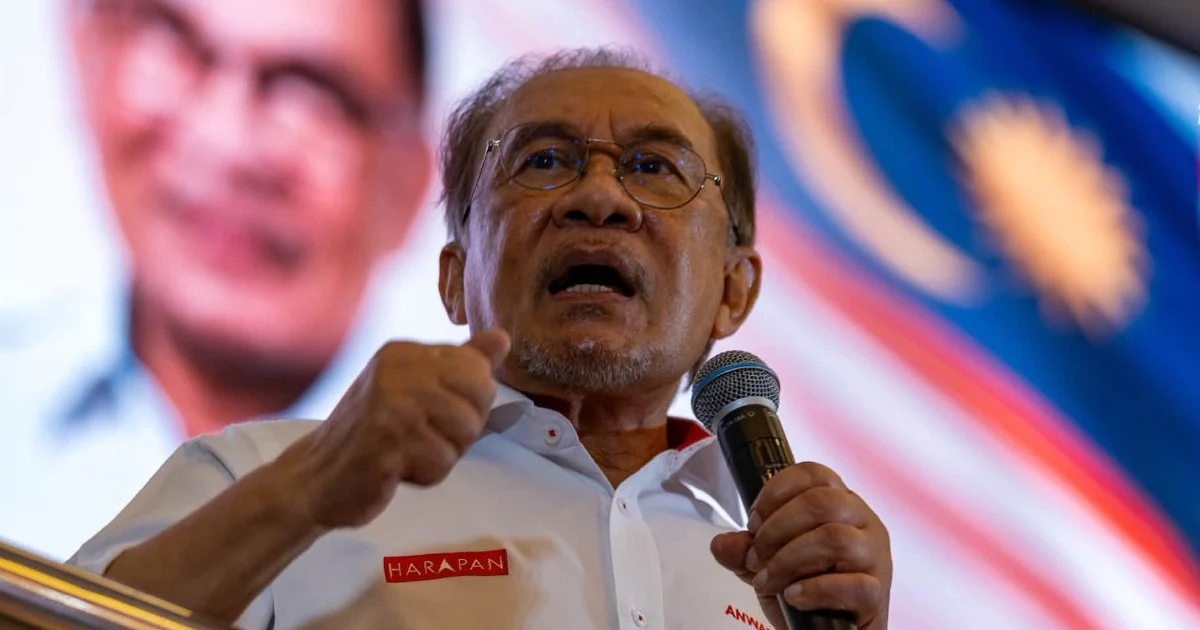
Prime Minister Datuk Seri Anwar Ibrahim has dismissed the possibility of formally requesting Singapore's assistance to provide voting facilities for Malaysian workers employed in the city-state during the Johor state election scheduled for July 11. The statement addresses speculation about cross-border electoral arrangements and reflects the practical challenges of accommodating the large Malaysian workforce that commutes daily or seasonally across the Causeway for employment in Singapore's financial, construction, and service sectors.
The decision reflects longstanding diplomatic protocols between Malaysia and Singapore regarding electoral sovereignty. While thousands of Johor residents work in Singapore, facilitating voting across borders presents complex jurisdictional questions and would require extraordinary coordination between the two nations' electoral and diplomatic authorities. Such arrangements are exceptionally rare in global practice and typically involve special circumstances warranting bilateral negotiation at the highest levels.
Malaysians working in Singapore represent a significant demographic group, particularly in Johor state where the Causeway crossing generates one of the world's highest cross-border commuter volumes. For Johor residents employed in Singapore, voting in state elections traditionally requires returning to their constituency on election day. This logistical reality has historically meant that working Malaysians must either take leave or arrange time to vote, a pattern that has persisted through multiple election cycles without formal cross-border voting arrangements.
Anwar's clarification likely stems from broader questions about voter participation and representation, as economic migration between Malaysia and Singapore creates constituencies spread across borders. The July 11 election, as a state-level poll, falls within Johor's administrative framework, and the Prime Minister's position indicates the Government's preference for maintaining established electoral practices rather than seeking innovative cross-border solutions.
From a practical standpoint, establishing voting facilities in Singapore would require multiple layers of coordination. Electoral Commission officials would need to set up polling stations on foreign soil, requiring Singapore's consent and security arrangements. The Malaysian High Commission or consular facilities might theoretically serve as venues, but converting diplomatic spaces into polling stations carries diplomatic implications and administrative complexity that governments typically avoid absent urgent necessity.
The decision also reflects considerations about administrative efficiency and cost. Flying in Electoral Commission staff, transporting ballot materials across borders, and establishing secure voting infrastructure in another nation would constitute a substantial expense with limited precedent in Malaysian electoral history. Governments generally prefer channelling resources into voter education campaigns encouraging cross-border workers to vote on polling day or through postal voting alternatives where available.
Postal voting remains an existing mechanism available to Malaysians abroad, though its take-up depends on postal reliability and voter awareness. For cross-border workers with relatively predictable schedules, the postal route offers an established alternative to physical presence at polling stations. Anwar's position suggests the Government views existing postal mechanisms as adequate to accommodate legitimate voting participation among the working population.
The Johor election carries particular significance as the state remains a critical political battleground with substantial Chinese and Indian representation alongside its Malay-Muslim majority. Election participation rates in cross-border constituencies are often closely studied as indicators of political engagement and demographic trends. Any arrangement affecting voting accessibility would carry implications for representation and could influence campaign strategies across competing parties.
Singapore's position on such arrangements would be equally cautious. The city-state maintains strict neutrality regarding Malaysian internal politics and would likely resist permitting foreign electoral activities on its territory, even in diplomatic premises. Both nations' governments prioritise avoiding any appearance of interference in each other's electoral processes, and establishing voting facilities would contravene this carefully maintained diplomatic principle.
Anwar's clarification provides certainty to both electoral stakeholders and the cross-border workforce itself. Voters working in Singapore now understand clearly that they should plan to vote in person on July 11 in their respective Johor constituencies, or arrange postal voting well in advance. Employers and worker organisations can make workforce planning decisions based on established polling day arrangements rather than speculating about extraordinary voting accommodations.
The position also reflects confidence in Malaysia's existing electoral infrastructure and voting mechanisms, suggesting the Government believes current arrangements adequately serve the electorate including cross-border workers. This approach prioritises established democratic processes and administrative consistency over creating precedent-setting arrangements that might complicate future elections or invite similar requests from other voter groups in unique circumstances.
Looking forward, the July 11 Johor election will likely proceed under conventional voting arrangements, with cross-border workers expected to participate through standard methods. The outcome will provide insights into participation patterns among Malaysia's mobile workforce and whether electoral officials need to consider modified approaches for future polls in border states like Johor, Kedah, or Kelantan that host significant cross-border employment populations.

