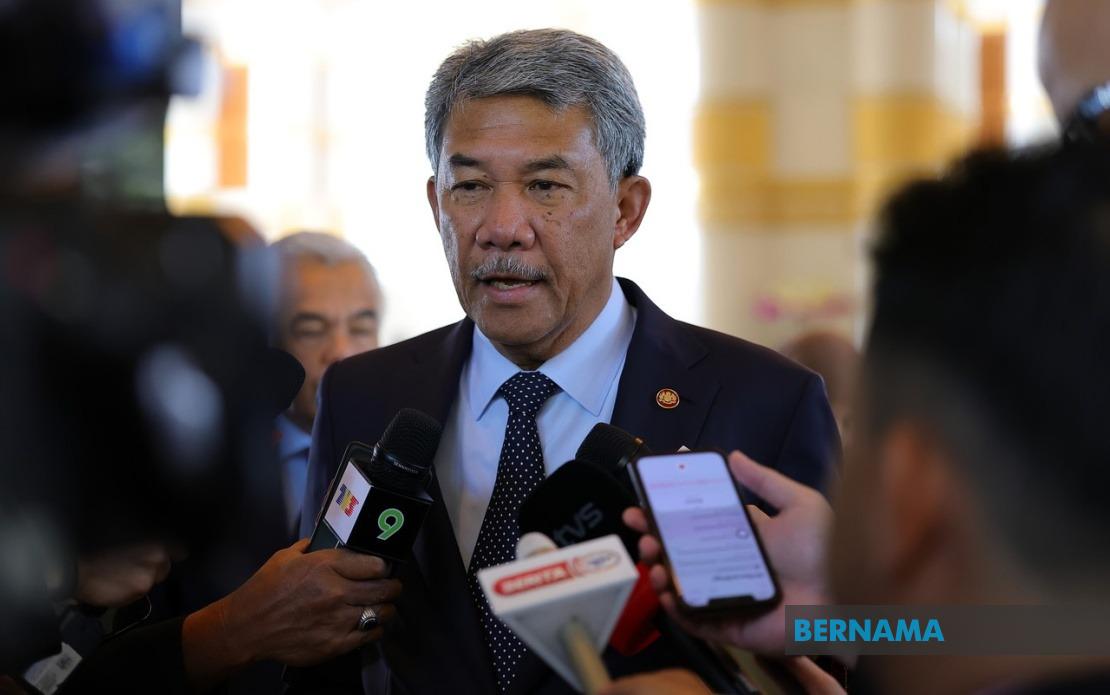
Malaysia is pursuing a multilateral approach to combat the transboundary haze crisis gripping parts of the region, with Foreign Minister Datuk Seri Mohamad Hasan signalling the government's intention to leverage ASEAN's institutional framework. Speaking in Bandar Seri Begawan on August 21, Mohamad stressed that regional coordination through ASEAN represents the most viable pathway forward for addressing what has become an increasingly urgent environmental challenge affecting multiple countries across Southeast Asia.
The Malaysian government has mapped out a two-pronged diplomatic strategy to escalate the matter within official channels. The Ministry of Natural Resources and Environmental Sustainability will formally petition the ASEAN Secretariat with a detailed submission outlining the haze situation and its transnational dimensions. Simultaneously, Minister Datuk Seri Arthur Joseph Kurup intends to establish direct bilateral communication with his Indonesian counterpart, recognizing that the source of the pollution requires targeted dialogue with the nation most directly implicated in the crisis.
Mohamad's remarks reflect a broader conviction within Malaysia's diplomatic establishment that ASEAN, despite its reputation for consensus-building and non-interference, remains the most structurally sound institution for managing environmental disputes that cross borders. This perspective underscores Malaysia's preference for addressing the haze through established regional mechanisms rather than pursuing unilateral measures or escalating tensions through more confrontational diplomatic posturing. The decision to work through ASEAN's institutional infrastructure suggests confidence that member states will recognize the shared vulnerability to transboundary pollution and act accordingly.
The timing of these diplomatic overtures coincides with high-level bilateral engagements between Malaysia and Brunei. Mohamad's three-day working visit to Brunei, which commenced on August 20, includes participation in the 27th Malaysia-Brunei Exchange of Letters meeting and the 27th Malaysia-Brunei Annual Leaders' Consultation scheduled for August 21 and 22 respectively. These scheduled forums have already absorbed discussion of the haze situation, with Malaysian High Commissioner to Brunei Datuk Mohd Aini Atan noting that Prime Minister Datuk Seri Anwar Ibrahim and Sultan Hassanal Bolkiah are expected to address the issue, recognizing it as a concern of mutual importance to both nations.
The environmental deterioration in Malaysia, particularly in Sarawak, provides the immediate context driving this diplomatic initiative. Air quality measurements recorded at 4 pm on August 21 revealed that Serian District Police Headquarters continued registering an Air Pollutant Index reading of 217, placing it firmly within the "very unhealthy" classification. The severity extends across a broader geographic footprint, with nine additional monitoring stations across Sarawak documenting readings in the "unhealthy" range, including Sri Aman at 186, Sarikei at 173, Kuching at 171, Samarahan at 170, Sibu and Samalaju at 156, Bintulu at 153, Mukah at 125, and Kapit at 108 respectively.
Data compiled through Malaysia's Air Pollutant Index Management System portal demonstrates the scale of public health exposure across Sarawak's population centres. The concentration of elevated readings in multiple districts simultaneously underscores the pervasiveness of the transboundary pollution phenomenon, which cannot be addressed through domestic air quality management measures alone. The persistence of "very unhealthy" and "unhealthy" category readings reflects conditions that warrant urgent intervention at the source, strengthening the rationale for Malaysia's decision to pursue regional diplomatic channels rather than relying exclusively on local environmental remediation efforts.
Malaysia's decision to prioritize ASEAN as the institutional vehicle for addressing the haze reflects both the strategic advantages of multilateralism and the practical constraints facing smaller regional powers. By anchoring the discussion within ASEAN's framework, Malaysia gains the diplomatic weight of a collective regional position, potentially increasing pressure on Indonesia to implement pollution controls or provide transparency regarding the sources of transboundary haze. Conversely, this approach also respects Indonesia's sovereignty and avoids inflammatory bilateral accusations that could strain diplomatic relations or provoke defensive reactions that undermine cooperative solutions.
The involvement of both the Foreign Ministry and the Natural Resources Ministry signals a recognition that addressing transboundary haze requires coordination across multiple governmental portfolios. The parallel letters being prepared—one to the ASEAN Secretariat and one from the NRES Minister to Indonesian authorities—demonstrate a structured escalation strategy that creates multiple channels for communication and negotiation. This multi-track approach allows Malaysia to maintain pressure on the issue while avoiding the appearance of a solely bilateral dispute that might invite fewer regional participants into collaborative problem-solving.
For Malaysian policymakers and affected citizens, the reliance on ASEAN mechanisms carries both promise and practical uncertainty. ASEAN's consensus-based decision-making structure and emphasis on non-interference in member states' internal affairs has historically limited the organization's capacity to enforce binding environmental standards or compel compliance with emissions controls. However, the organization has increasingly developed specialized mechanisms for addressing transnational challenges, including environmental cooperation frameworks that can accommodate Malaysia's concerns while respecting Indonesian territorial autonomy.
The regional dimensions of this crisis extend beyond Malaysia and Indonesia to encompass Brunei and other Southeast Asian nations that may experience secondary effects from transboundary pollution. By engaging ASEAN institutionally, Malaysia positions itself within a broader coalition of concerned states, potentially enlarging the diplomatic coalition pressing for remedial action. This approach aligns with Malaysia's traditional emphasis on consensual regional problem-solving and positions the country as a responsible stakeholder in maintaining ASEAN's cohesion around shared environmental threats.
The effectiveness of Malaysia's ASEAN-centered strategy will ultimately depend on Indonesia's receptiveness to regional pressure and the extent to which diplomatic engagement translates into concrete policy measures addressing haze sources. The formal submission to the ASEAN Secretariat and ministerial correspondence establish official records of Malaysia's concerns while creating opportunities for structured dialogue. However, resolving transboundary haze—a problem rooted in land use practices, agricultural burning, and industrial activity—requires sustained commitment and potentially substantial resource allocation in Indonesia, raising questions about implementation capacity and political will that diplomacy alone cannot answer.

