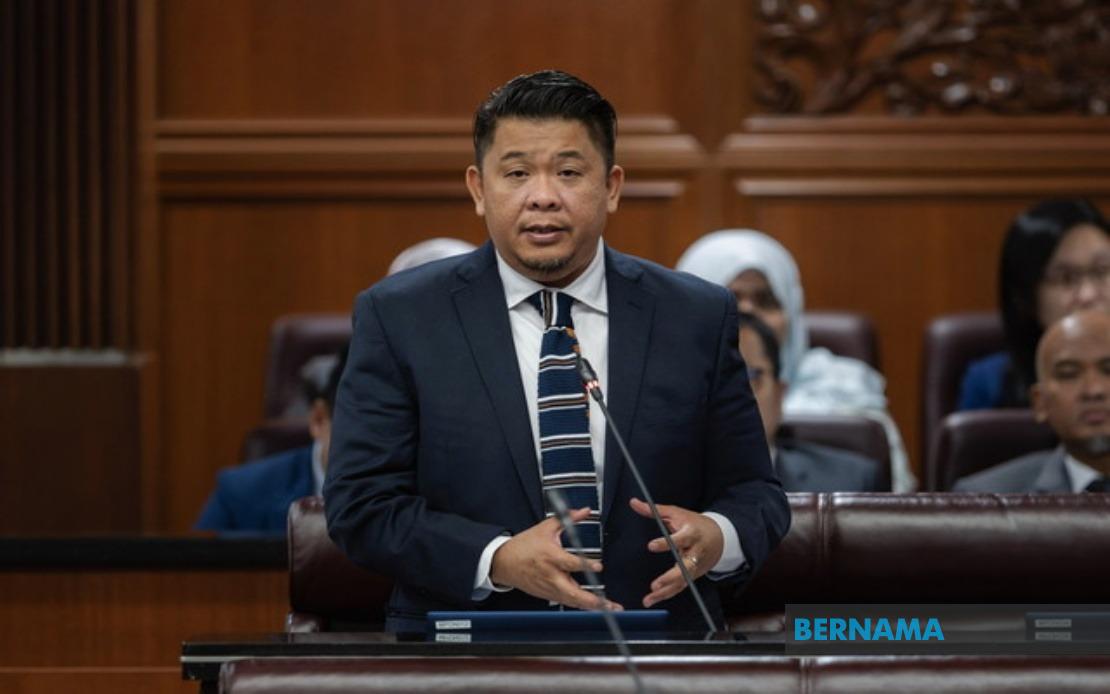
The Malaysian government is maintaining close surveillance of approximately 21,427 nationals scattered across 14 countries experiencing active conflict, according to a statement delivered in Parliament this week. Deputy Foreign Minister Datuk Lukanisman Awang Sauni outlined the monitoring effort during a question-and-answer session at Dewan Negara, emphasising that evacuation protocols remain on standby and ready for immediate deployment if circumstances demand.
Lukanisman attributed the government's enhanced state of readiness to lessons learned from managing previous international crises. These experiences have enabled Malaysian authorities to develop what officials characterise as a thorough and multifaceted approach to protecting nationals abroad. The framework goes beyond simple contingency planning to encompass real-time location mapping, communication networks, and resource allocation strategies that can be activated proportionately based on evolving threat assessments.
The coordination structure involves multiple tiers of government and private sector participation. The Foreign Ministry has aligned its evacuation protocols with companion agencies, including the Royal Malaysian Air Force, which can mobilise transport capacity on short notice. Malaysian airlines have similarly committed to providing charter flight services when required. Petroliam Nasional Bhd maintains its own separate evacuation procedures for company staff stationed globally, adding a parallel layer of corporate preparedness that complements official channels.
Non-governmental organisations and commercial operators handling religious tourism, particularly umrah services, have been integrated into the government's planning matrix. Travel agencies likewise feature in the coordination framework, recognising their role in maintaining communication with Malaysian groups abroad and their potential utility in rapid information dissemination during emergencies. This collaborative approach reflects acknowledgment that no single entity can effectively manage large-scale evacuations without leveraging existing private sector infrastructure and relationships.
Every Malaysian diplomatic mission maintains its own operative contingency plan, updated regularly to reflect changing regional dynamics. These plans contain standardised protocols for documenting Malaysian locations, establishing communication channels with affected communities, pooling available resources, and executing orderly withdrawals when necessary. Rather than representing rigid blueprints, these guidelines function as flexible operational templates that field officers adapt according to specific circumstances, risk profiles, and the number of nationals requiring assistance at any given moment.
Malaysians residing or travelling internationally are urged to register their presence through multiple channels, acknowledging that not all citizens maintain consistent contact with official systems. The e-Consular platform provides one registration mechanism, while direct communication via email and telephone offers alternatives for those with limited digital access. The MyWorldAlert application represents a technology-enabled notification system through which citizens can receive real-time emergency information and coordinate assistance requests without depending on traditional media or word-of-mouth networks.
The current monitoring effort gained particular urgency following the escalation of conflict in West Asia earlier this year. The Foreign Ministry released three separate travel advisories as the situation deteriorated, guiding citizens on risk mitigation measures and evacuation eligibility. The broader aviation network across the region experienced substantial disruption, with many countries closing airspace as a precautionary measure. However, the security landscape has shifted considerably following the April 8 ceasefire announcement, permitting gradual reopening of regional airspace and reducing the immediate pressure on evacuation machinery.
The timeframe of gradual regional stabilisation has afforded Malaysia additional opportunity to refine evacuation logistics without executing large-scale operations. This breathing space enables officials to audit existing protocols, verify communication systems, update location databases, and ensure that charter flight arrangements and military transport capacity remain functional and immediately accessible. The phased reopening of commercial aviation across West Asia has simultaneously reduced the dependency on expensive military or emergency charter solutions, allowing resources to be redirected toward other preparedness requirements.
The scale of the monitoring operation underscores the significant Malaysian diaspora presence across geopolitically unstable regions. These 21,427 nationals represent a cross-section of Malaysian society engaged in diverse activities—employment, religious pilgrimage, education, business ventures, and temporary residence. Some occupy relatively secure urban environments within major cities, while others work in industrial zones or remote locations with limited infrastructure and communication capacity. This geographical and professional diversity complicates evacuation planning, as different groups require tailored extraction strategies and face varying security exposures.
From a Southeast Asian perspective, Malaysia's approach to diaspora protection carries implications for regional burden-sharing during crises. The capacity to mobilise military transport, coordinate with private airlines, and execute orderly evacuations represents a capability that not all regional nations possess equally. Should future conflicts demand multi-country evacuation coordination, Malaysia's experience managing 21,000-plus nationals provides operational knowledge applicable to broader regional contingencies. The integration of civilian agencies, military assets, and commercial partners creates a model potentially adaptable across Association of Southeast Asian Nations member states facing similar challenges.

