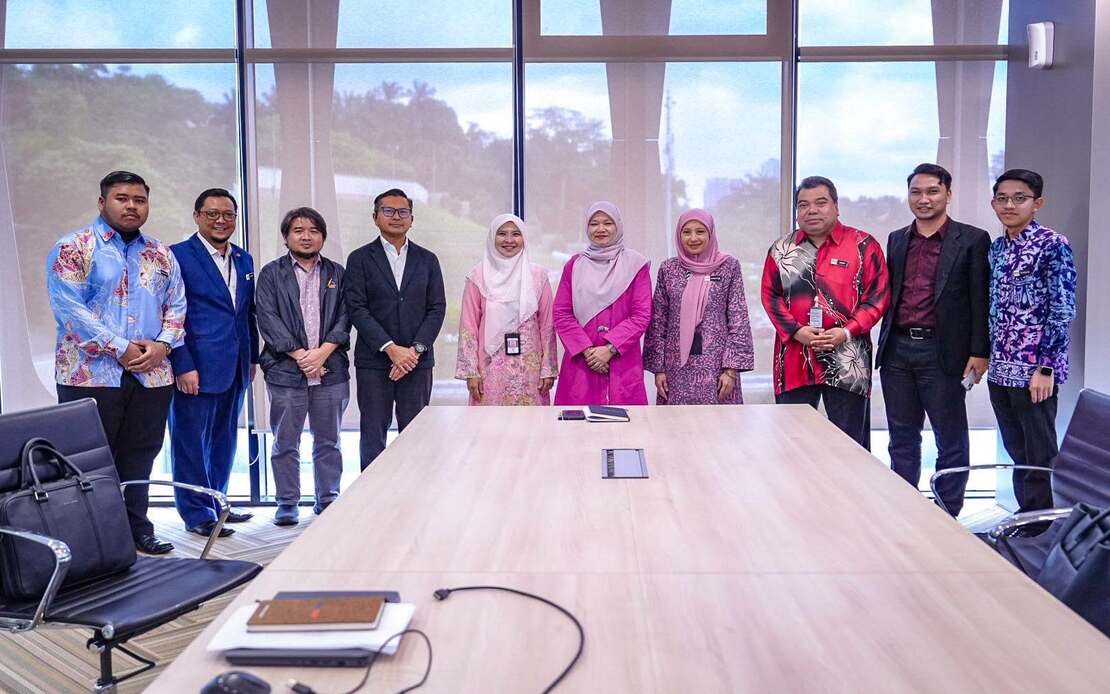
Malaysia's Education Ministry has committed to rolling out comprehensive advocacy programmes focused on three critical pieces of child protection legislation across the education sector. The initiative centres on raising awareness of the Child Act 2001, the Anti-Bullying Act 2026, and the Sexual Offences Against Children Act 2017, marking a significant step in strengthening safeguards for students nationwide.
Education Minister Fadhlina Sidek announced the decision following a high-level meeting with a delegation from the Human Rights Commission of Malaysia (SUHAKAM). The meeting brought together key stakeholders, including SUHAKAM's Children's Commissioner Dr Farah Nini Dusuki and Dr Mohd Al Adib Samuri, to discuss implementation strategies and scope. The collaborative approach reflects the ministry's recognition that protecting children requires coordinated efforts across multiple government agencies and civil society institutions.
The advocacy initiative directly addresses mounting concerns about bullying and sexual harassment within educational institutions. Rather than treating these issues as isolated incidents, the ministry has positioned legal awareness as a preventive framework. By educating students, teachers, and parents about their rights and responsibilities under existing legislation, the programme aims to create a cultural shift toward zero tolerance for abuse and harassment. This proactive stance acknowledges that many cases go unreported due to lack of awareness about legal protections and reporting mechanisms.
The Anti-Bullying Act 2026 represents particularly recent legislation, and its implementation across schools remains an ongoing process. Many educators and students may not yet fully understand its provisions, penalties, and procedures. The advocacy programmes will serve to bridge this knowledge gap, ensuring that the law translates from policy documents into practical protection mechanisms that function in classrooms and school corridors. Similarly, the Child Act 2001 and Sexual Offences Against Children Act 2017, while established, require continuous reinforcement to maintain relevance and awareness among younger generations who may not be familiar with these frameworks.
For Malaysian readers, this initiative carries particular significance given the nation's commitment to international child protection standards. Malaysia is a signatory to the Convention on the Rights of the Child, and these domestic legislative efforts demonstrate alignment with global best practices. The programmes will likely include age-appropriate educational materials, teacher training modules, and community engagement activities designed to embed legal knowledge into everyday school operations rather than treating it as a standalone compliance exercise.
The strengthened collaboration between the Education Ministry and SUHAKAM signals a shift toward institutionalised partnership between government and independent human rights bodies. SUHAKAM's role as an oversight agency brings credibility and independence to advocacy efforts, helping ensure that programmes genuinely advance child welfare rather than serving merely as bureaucratic exercises. This cooperation model could set a precedent for other sectors grappling with similar protection challenges.
Implementation across the education sector will require substantial coordination. Malaysia's school system spans primary and secondary institutions across peninsular Malaysia, Sabah, and Sarawak, with varying resource availability and infrastructure maturity. The ministry faces the practical challenge of tailoring programmes to diverse contexts while maintaining consistent messaging about child rights and protections. Teacher training will be critical, as educators serve as frontline enforcers and reporters of incidents involving bullying, harassment, and sexual offences.
The regional context amplifies the importance of these measures. Across Southeast Asia, child protection remains inconsistently prioritised, and Malaysia's systematic approach to legislative awareness can serve as a model for neighbouring countries. The programmes may also enhance cross-border cooperation on cases involving students from migrant communities or trafficking situations, as familiarity with Malaysian legal frameworks becomes baseline knowledge for educators.
Minister Fadhlina's public commitment that child welfare will "never be compromised" underscores political backing for implementation, though sustained funding and monitoring mechanisms will ultimately determine success. Previous advocacy programmes in Malaysian schools have shown variable outcomes, sometimes limited by insufficient teacher training, competing curriculum priorities, or insufficient follow-up mechanisms. The new initiative's success will depend on whether advocacy translates into structural changes such as mandatory reporting training, accessible complaint channels, and consequences for violations.
Parents and community organisations will play a supporting role in reinforcing messages learned in schools. Awareness campaigns may extend beyond campuses to community centres, religious institutions, and online platforms where young Malaysians spend significant time. This broader ecosystem approach acknowledges that child protection cannot rest solely within educational settings but requires coordinated messaging across all spaces where children develop and interact.
The timing coincides with growing public discourse around school safety and student mental health in Malaysia. Recent years have seen increased reporting of bullying incidents and calls for stronger institutional responses. This advocacy programme represents a policy response to documented gaps in implementation of existing protections, converting legal rights into lived reality for vulnerable children.

