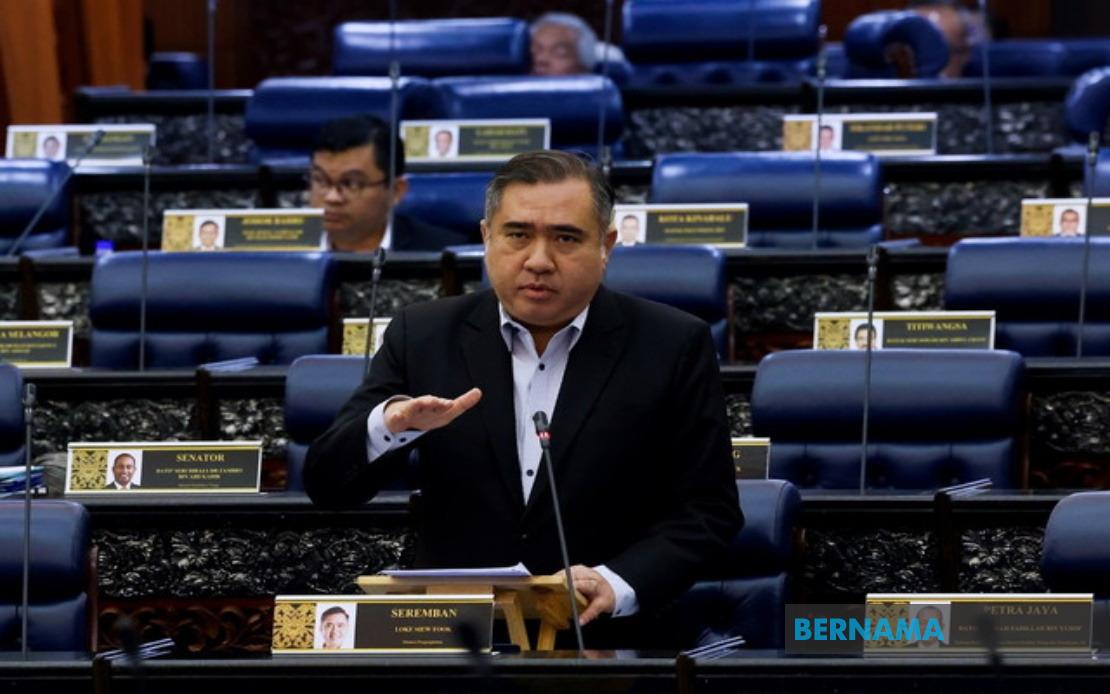
The Malaysian government is moving to strengthen protections for road accident victims through a proposed overhaul of compensation mechanisms under the Road Transport Act 1987. Transport Minister Anthony Loke announced in Parliament that the amendments would empower courts to impose financial compensation on offenders convicted of serious traffic violations resulting in death or permanent injury, marking a significant shift in how Malaysia addresses the human costs of reckless driving.
Under the new framework, courts will assess compensation awards based on the particular circumstances of each case, considering multiple factors that extend beyond simple administrative calculations. The severity of injuries sustained or the loss of life will weigh heavily in determinations, alongside quantifiable losses such as medical expenses, lost wages and funeral costs. Critically, judges will also evaluate an offender's financial capacity to pay, ensuring that compensation orders remain realistic whilst still holding dangerous drivers accountable for the devastation they cause.
This approach reflects a philosophical evolution in Malaysia's approach to traffic safety enforcement. Rather than treating drivers who kill through reckless behaviour as ordinary traffic offenders subject to standard fine schedules, the government now positions fatal and serious-injury cases as matters of significant criminal responsibility. Loke's comments underscore that those responsible for deaths caused by dangerous driving or participation in illegal street racing will face proportionate legal consequences that acknowledge the gravity of their actions.
The Transport Ministry has simultaneously advanced legislative action against illegal racing through the Road Transport (Amendment) Bill 2026, which the Dewan Rakyat has already approved. This new legislation creates a distinct criminal offence targeting illegal racing specifically, allowing authorities to prosecute participants before accidents occur rather than waiting for tragedies to unfold. First-time offenders face fines ranging from RM2,000 to RM10,000 alongside potential imprisonment up to two years. Repeat offenders encounter substantially harsher penalties, with fines between RM5,000 and RM20,000 and up to five years imprisonment.
This preventive dimension represents a meaningful departure from previous enforcement approaches. Previously, legal action against illegal racing participants could only proceed following an actual accident, meaning authorities were essentially reactive. The revised framework eliminates this temporal constraint, enabling police and prosecutors to target street racing activities during patrols or through intelligence operations without requiring a collision as a triggering event. This proactive capacity should meaningfully increase the practical deterrent effect of the law.
Enforcement operations across Malaysia have already intensified under this new legal framework. Recent enforcement efforts in Johor demonstrated substantial impact, resulting in 16 arrests and seizure of 260 motorcycles involved in illegal racing activities. These operations signal that the government intends aggressive implementation of the strengthened legal regime, sending clear signals to potential offenders about the seriousness of the government's commitment to road safety.
The shift in prosecutorial approach gained urgency following the fatal collision on June 1 at Kilometre 27 of Jalan Renggam-Simpang Renggam in Johor, which claimed five lives. The Attorney-General's Chambers directed that investigations into this incident proceed under Section 302 of the Penal Code, the provision covering culpable homicide. This reflects willingness to pursue the most serious charges available when circumstances warrant, rather than defaulting to lesser traffic offences that carry more modest penalties.
Beyond legislative and enforcement measures, the Transport Ministry acknowledges that sustainable road safety improvement requires broader societal engagement. Loke emphasised that behavioural transformation and public awareness campaigns are equally essential to legislative changes. Malaysia's road fatality toll exceeds 6,000 deaths annually, a tragic figure that demonstrates the scale of the challenge. Enforcement alone cannot address this human catastrophe; genuine progress requires sustained cultural shifts in driving behaviour, vehicle maintenance practices and community attitudes toward dangerous road conduct.
The government has invited cross-ministerial collaboration on developing a comprehensive national strategy addressing illegal racing and related dangerous driving practices. This integration of efforts across multiple government agencies reflects understanding that road safety spans transportation, law enforcement, education and public health domains. Loke appealed for broad social participation, explicitly requesting that political parties refrain from weaponising road safety issues for partisan advantage. The implicit acknowledgment that road safety can become contested political terrain suggests previous experiences where competing political actors have sought electoral advantage by highlighting government failures in this area.
For Malaysian motorists and families who have experienced loss through traffic accidents, the proposed compensation mechanism represents potential recognition of their suffering within the criminal justice framework. Currently, victims pursuing financial redress must typically initiate civil litigation, a process that is expensive, time-consuming and often fails to reach satisfactory outcomes. Embedding compensation determinations within criminal proceedings and empowering courts to impose awards could substantially improve access to remedies for accident victims and their dependents.
The broader implications extend throughout Southeast Asia, where illegal street racing and dangerous driving practices are widespread problems affecting multiple countries. Malaysia's legislative approach combining specific criminal offences for racing activity with enhanced victim compensation and preventive enforcement powers offers a model that regional neighbours may observe closely. The success or failure of these initiatives in reducing fatalities could influence policy discussions across ASEAN nations struggling with similar traffic safety challenges.
Implementing these amendments effectively will require substantial investment in judicial training, enforcement resources and public education campaigns. Courts must develop consistent methodologies for assessing compensation awards to ensure fairness and predictability. Police forces need sufficient capacity to conduct increased patrols and investigations targeting racing activities. Public messaging must effectively communicate both the enhanced legal penalties and the broader social costs of dangerous driving to potential offenders and the general driving public.
The Transport Ministry's multi-pronged approach—enhanced criminal penalties, preventive enforcement authority, court-ordered victim compensation and emphasis on public awareness—represents a more comprehensive framework than Malaysia has previously deployed. Success will ultimately depend on implementation consistency, adequate resourcing and sustained political commitment across electoral cycles. Given that road safety directly affects public welfare and involves emotionally charged tragedies, maintaining this policy focus and resisting political pressures to dilute enforcement will prove crucial to realising the government's safety objectives.

