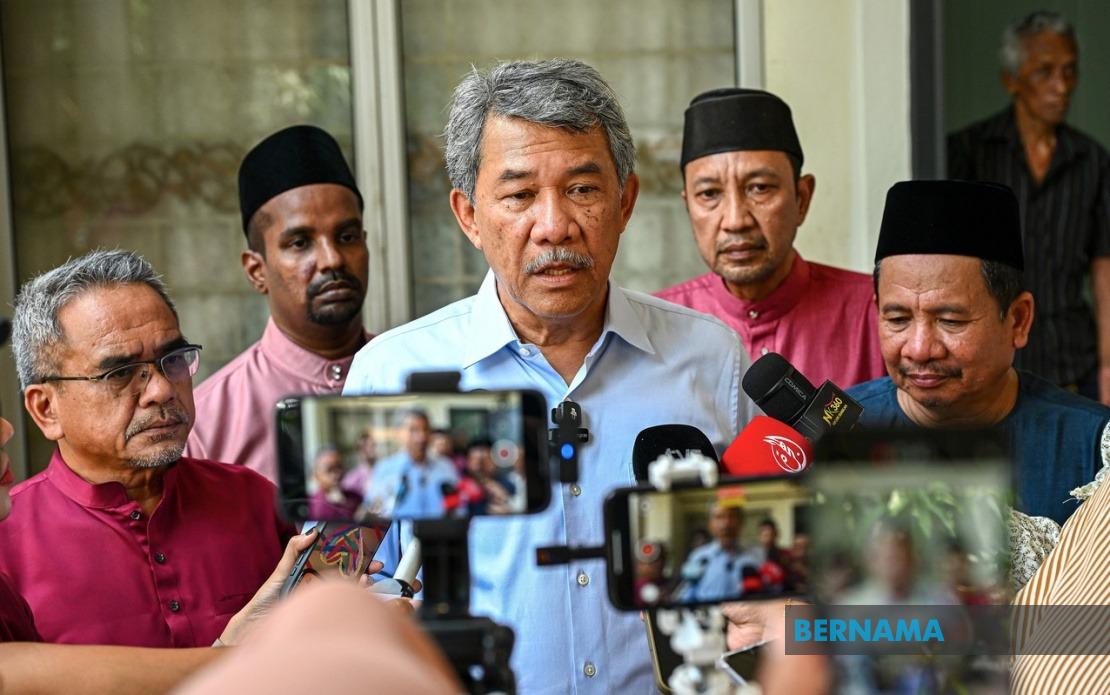
Malaysia will not rush the repatriation of Myanmar refugees, insisting instead that their safety and protection remain paramount throughout any return process. Foreign Minister Datuk Seri Mohamad Hasan made this commitment while addressing reporters in Seremban on Wednesday, underscoring the government's cautious approach to handling one of the region's most pressing humanitarian challenges. The undertaking reflects Malaysia's recognition that hasty deportations could expose vulnerable populations to persecution, human rights abuses, or worse upon arrival in Myanmar, where the political situation remains deeply unstable following the military coup in 2021.
The ministry plans to coordinate closely with the United Nations High Commissioner for Refugees (UNHCR) and Malaysia's Home Ministry to establish robust verification mechanisms for each refugee before repatriation takes place. This collaborative framework will serve dual purposes: confirming the identity and background of individuals seeking to return, while simultaneously gathering intelligence on the security landscape awaiting them in Myanmar. Mohamad Hasan explained that such diligence is essential to fulfil Malaysia's international obligations under refugee protection conventions and to maintain the dignity of those who have sought sanctuary on Malaysian soil. The process acknowledges that Myanmar remains fractured along ethnic, political, and military lines, with different regions experiencing vastly different levels of stability and threat.
Regarding reports that Myanmar's government has signalled willingness to repatriate up to 5,000 of its nationals currently residing in Malaysia, the Foreign Minister adopted a deliberate, phased strategy rather than agreeing to bulk transfers. He instructed the Secretary-General of the Ministry of Foreign Affairs to engage directly with Myanmar's embassy to arrange gradual, managed returns that would prioritise individuals whose documentation and status have already been fully verified. This measured approach stands in contrast to the large-scale, rapid deportations that some regional governments have pursued in recent years, sometimes with tragic consequences. By beginning with the first cohort of 1,000 individuals whose cases are already cleared, Malaysia can establish protocols and gather practical experience before scaling up the operation.
The distinction between capacity for repatriation and readiness for repatriation underpins Mohamad Hasan's position. While Myanmar may theoretically be prepared to receive 5,000 citizens by ship, Malaysia's commitment to thorough vetting means the actual pace will be dictated by security assessments and verification completeness rather than external pressure or logistical capability. This stance reflects lessons learned across Southeast Asia, where governments that have facilitated large return movements without adequate safeguards have faced international criticism and documented cases of returnees facing arrest, torture, or disappearance. Malaysia's emphasis on staged, verified repatriation thus serves both humanitarian and diplomatic interests, protecting vulnerable individuals while insulating the government from accusations of facilitating persecution.
Within the broader regional architecture, Mohamad Hasan stressed that ASEAN must treat the Myanmar refugee question as a collective concern demanding unified action among member states. The bloc has grappled with the Myanmar crisis since the 2021 coup displaced millions and forced hundreds of thousands to flee across borders into Thailand, Bangladesh, Malaysia, and other neighbouring countries. Malaysia, hosting one of the largest Myanmar refugee populations in the region outside of Bangladesh, has borne substantial responsibility for managing humanitarian needs including shelter, healthcare, and education. The Foreign Minister's emphasis on ASEAN solidarity suggests Malaysia is seeking regional consensus and burden-sharing rather than shouldering the repatriation challenge unilaterally.
Central to Malaysia's diplomatic approach remains the Five-Point Consensus adopted by ASEAN leaders following the coup, which calls for an immediate cessation of violence, provision of humanitarian assistance, dialogue between all stakeholders, mediation by an ASEAN special envoy, and visits by the envoy to Myanmar. Mohamad Hasan reiterated that this framework must remain the cornerstone of any ASEAN mechanism addressing the Myanmar crisis, including refugee movements. The consensus reflects the region's attempt to balance respect for national sovereignty with humanitarian concerns, acknowledging that external military intervention is neither feasible nor acceptable while asserting that ASEAN cannot ignore the suffering of displaced populations. By anchoring repatriation policy within this broader framework, Malaysia positions its refugee returns as integral to the regional peace process rather than as isolated humanitarian logistics.
The security assessment component of Malaysia's repatriation strategy carries particular weight given Myanmar's fragmented control and ongoing armed conflict between military forces and anti-coup resistance groups. Different ethnic regions, particularly in Shan State, Kachin State, and the Karenni region, experience varying degrees of state authority and violence. Some returnees might face danger from military reprisals for perceived opposition sympathies, whilst others could encounter armed group control in their home regions. UNHCR's involvement in the verification process provides international scrutiny and access to global intelligence networks that can help identify areas of heightened risk. This multilayered assessment ensures that Malaysian authorities are not simply checking paperwork but conducting genuine security evaluations.
For Malaysian policymakers, the refugee situation also carries domestic political implications. Public opinion in Malaysia has grown increasingly sensitive to both immigration and humanitarian concerns, with competing narratives about the economic impacts of refugee populations and the moral imperatives of international protection. By emphasising that repatriation will proceed methodically and safely rather than through expedited mass returns, Mohamad Hasan addresses concerns that Malaysia might become overwhelmed by refugee populations whilst simultaneously demonstrating Malaysia's adherence to international humanitarian standards. This balancing act is essential for maintaining public support for refugee hosting while managing pressure from both humanitarian advocates and those seeking stricter immigration controls.
The reference to gradual, verified repatriation also signals Malaysia's readiness to engage in long-term management of the refugee situation rather than seeking rapid population discharge. Myanmar's political trajectory remains uncertain, with no clear timeline for democratic restoration or conflict resolution. Repatriation into such instability carries inherent risks that no amount of verification can entirely eliminate. By committing to staged returns prioritising those with confirmed safety prospects, Malaysia acknowledges that some refugees may require extended protection periods until conditions genuinely improve. This realistic timeframe aligns with international best practices in refugee protection and reflects Malaysia's maturation as a host country grappling with protracted displacement crises.
Moving forward, Malaysia's approach will likely influence how other Southeast Asian nations handle Myanmar repatriation. Thailand, which hosts significantly larger numbers of Myanmar refugees and has faced greater pressure for mass returns, may look to Malaysia's model of verified, phased repatriation as a template. The success or failure of Malaysia's initial cohorts will send important signals about whether such methodical approaches are diplomatically feasible and administratively manageable. Mohamad Hasan's public commitment to prioritising refugee safety thus extends beyond Malaysia's borders, potentially shaping regional standards for how displaced populations are managed during return processes. The coming months will test whether this principled approach can withstand pressure from both Myanmar authorities seeking rapid repatriation and domestic constituencies favouring stricter controls.

