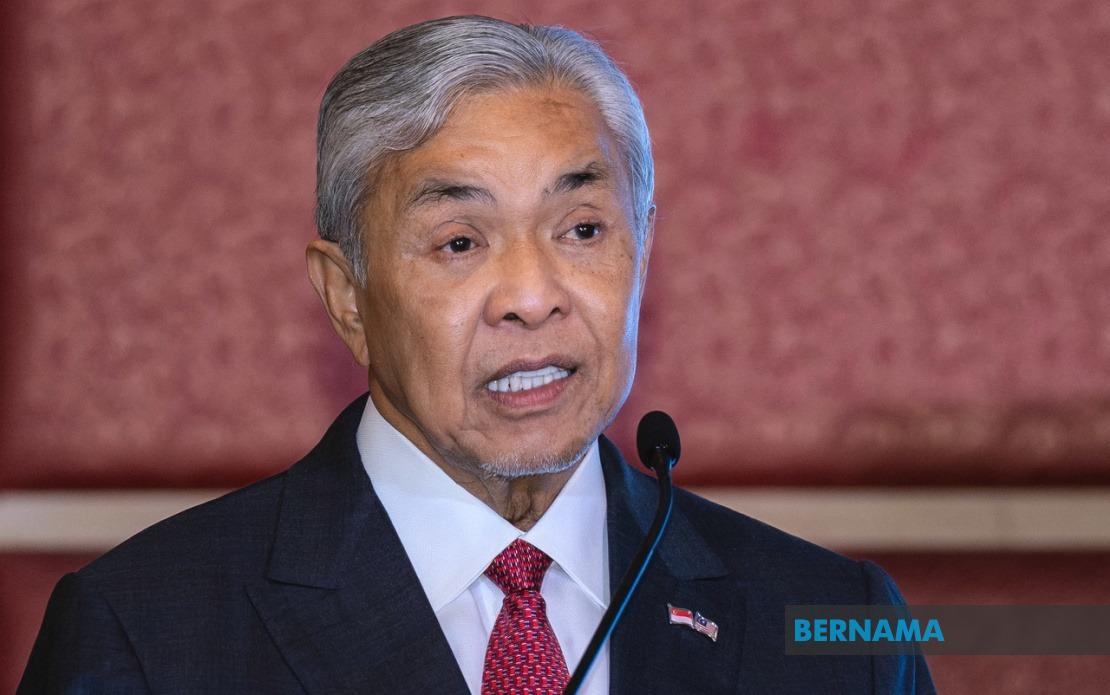
Malaysia is charting an independent course in refugee management by developing a domestically controlled framework that avoids dependence on international entities, according to Deputy Prime Minister Datuk Seri Dr Ahmad Zahid Hamidi. This shift reflects growing recognition that the country's approach to one of Asia's most pressing humanitarian challenges requires a tailored solution grounded in Malaysian law and governance structures, particularly given the presence of over 126,000 registered Rohingya refugees within its borders.
The centerpiece of this new direction is NSC Directive No. 23, a comprehensive policy document signed by Prime Minister Datuk Seri Anwar Ibrahim on June 14, 2023, which underwent a 2023 revision to strengthen its implementation mechanisms. Ahmad Zahid, who also serves as Rural and Regional Development Minister, explained that this directive establishes clear protocols for efficient administration and enforcement while simultaneously addressing the welfare needs of vulnerable populations. The policy represents an attempt to reconcile competing national priorities: safeguarding border security and maintaining social order while acknowledging humanitarian obligations toward displaced persons seeking refuge.
At its core, the management framework encompasses multiple dimensions beyond simple border control. The mechanism is designed to coordinate policy across government ministries and agencies, ensuring coherent access to critical services including healthcare, education, and employment opportunities for those deemed eligible. This integrated approach suggests recognition that ad-hoc responses have proven insufficient, and that systematic coordination prevents gaps that can be exploited by smugglers, traffickers, or undocumented movements. By centralizing coordination through the National Security Council under the Prime Minister's Department, the government aims to eliminate bureaucratic silos that previously hampered effective implementation.
One significant challenge Ahmad Zahid highlighted involves the role of local enablers who facilitate irregular migration and labour exploitation for personal profit. Landlords renting properties to undocumented migrants, employers seeking workers willing to accept substandard conditions, and others motivated by commercial interests undermine official enforcement efforts. This candid acknowledgment reveals that Malaysia's refugee challenge cannot be addressed through government action alone, but requires changing incentive structures that currently reward facilitation of irregular migration. The government's strategy therefore encompasses not just managing documented refugees, but also addressing the economic logic that sustains undocumented populations.
The policy framework distinguishes between enforcement of national laws and community social responsibilities, attempting to calibrate both elements rather than elevating one above the other. This balancing act proves particularly complex in Malaysia's diverse, multicultural context where religious and humanitarian impulses coexist with security concerns and economic anxieties. Some communities view refugee populations with compassion rooted in Islamic teachings on asylum and protection, while others express concerns about competition for jobs, housing, and public services. The NSC directive attempts to acknowledge these varied perspectives while maintaining consistent standards across the country.
The establishment of the Refugee Registration Document, or DPP, provides administrative infrastructure for this new mechanism. By creating an official documentation system, Malaysia can distinguish between registered refugees entitled to certain services and undocumented migrants outside the formal system. This targeting allows more efficient resource allocation while reducing incentives for irregular border crossings and exploitation by criminal networks. The DPP also generates reliable data about refugee populations, enabling evidence-based policymaking rather than responses based on speculation or media narratives.
For Malaysia's economy and society, this framework carries significant implications. The country has historically absorbed large refugee populations, particularly from Myanmar, Thailand, and Palestine, creating complex social dynamics. A coherent management system potentially reduces exploitation of vulnerable populations, stabilizes labour markets by formalizing refugee employment, and generates tax revenue from registered workers. Conversely, overly restrictive policies risk pushing populations into informal economies where wages are suppressed and conditions resemble modern slavery, contradicting Malaysia's international humanitarian commitments.
The regional dimension deserves consideration as well. Malaysia's approach could influence how other Southeast Asian nations manage similar challenges. If the NSC Directive No. 23 successfully balances humanitarian obligations with national security and economic stability, it might offer a model for neighbouring countries facing comparable refugee pressures. Conversely, if implementation becomes overly punitive or excludes vulnerable populations from essential services, it may accelerate onward migration toward third countries, creating regional instability.
Success of this framework depends substantially on implementation capacity across ministries and local authorities. Coordination mechanisms sound impressive on paper but often falter when frontline officials lack resources, training, or political support. Ahmad Zahid's emphasis on clear role delineation suggests awareness of past implementation failures, yet translating policy directives into consistent field-level practice requires sustained commitment and adequate funding—areas where Malaysian government performance has historically been variable.
The question of access to services for unregistered asylum seekers remains unresolved in the available policy documents. While eligible refugees gain access to healthcare, education, and employment, millions of irregular migrants exist in legal grey zones. Malaysia's humanitarian reputation and long-term social stability may depend on clarifying whether basic services like emergency healthcare remain accessible regardless of documentation status, or whether undocumented populations face complete exclusion.

