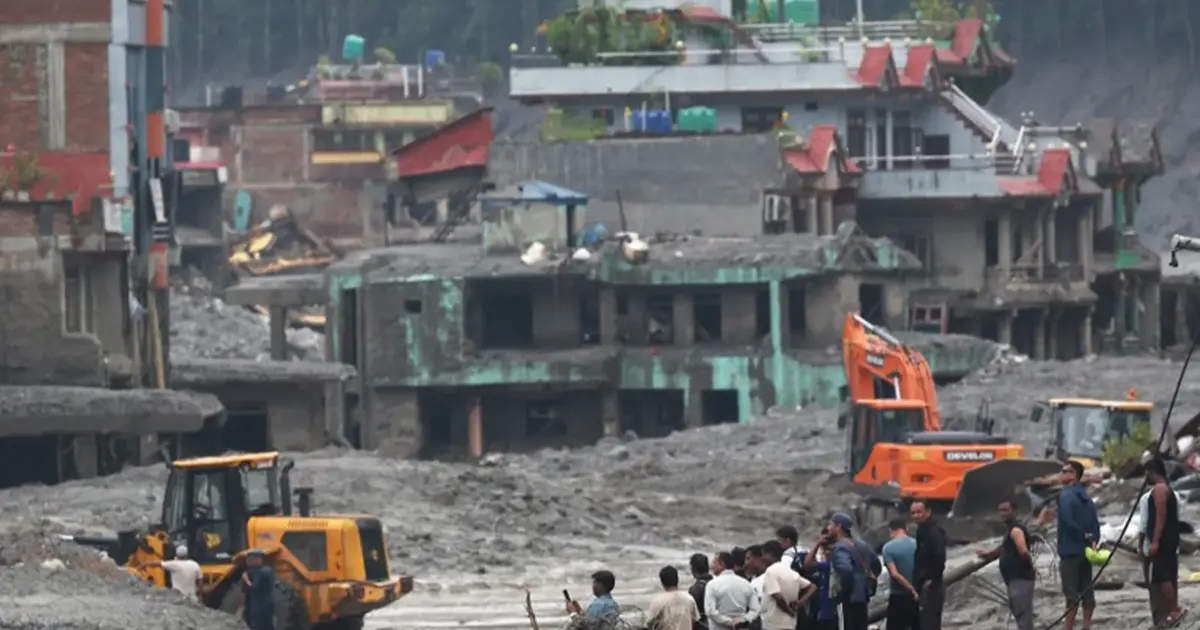
Malaysia will mobilize its specialized disaster response unit to support Nepal in the aftermath of recent natural calamities, according to Prime Minister Anwar Ibrahim. The commitment represents another chapter in Malaysia's ongoing humanitarian engagement across South Asia, reflecting the nation's capacity to rapidly mobilize technical expertise and trained personnel during international emergencies.
The deployment of the SMART team underscores Malaysia's growing role as a reliable partner in regional crisis response. Over the past two decades, Malaysian disaster relief operations have become increasingly professionalized, with dedicated units trained to handle search and rescue operations, medical assessments, and infrastructure damage evaluation. This capability has been demonstrated repeatedly during major seismic events, flooding, and other emergencies throughout Asia.
Prime Minister Anwar Ibrahim indicated that officials at both national and local levels are currently engaged in detailed coordination with their Nepali counterparts. These preparatory discussions encompass logistical arrangements, customs clearance protocols, and identification of priority zones where Malaysian assistance can deliver maximum impact. The urgency of such coordination reflects the time-sensitive nature of post-disaster operations, where early intervention often determines outcomes.
Nepal, situated in the tectonically active Himalayan region, faces recurring exposure to earthquakes and severe weather events. The country's mountainous terrain and developing infrastructure present particular challenges for rapid response operations, making international technical support especially valuable. Malaysian teams bring equipment, methodology, and personnel experienced in navigating difficult topography and coordinating with local authorities under challenging conditions.
The SMART team concept originated from Malaysia's own experiences managing large-scale disasters. Following the 2004 Indian Ocean tsunami and subsequent natural disasters, Malaysian authorities recognized the need for a unified, professionally trained response mechanism. This evolution transformed ad-hoc relief efforts into systematic, evidence-based operations guided by international best practices and coordinated through established protocols.
Malaysia's diplomatic positioning in South Asia has gradually expanded beyond traditional trading relationships to include humanitarian cooperation frameworks. Sending specialized rescue teams to Nepal demonstrates a commitment extending beyond symbolic gestures to tangible, technical assistance. Such deployments require significant organizational effort, involving coordination across multiple government agencies, pre-positioning of equipment, and deployment of trained personnel who may spend weeks away from their regular assignments.
The timing of this announcement carries diplomatic significance. Regional cooperation in disaster management strengthens bilateral relationships and contributes to collective regional resilience. When developed nations assist neighbours facing crises, it establishes expectations of reciprocal support and builds trust essential for managing transboundary challenges. Malaysia's proactive stance positions the nation as a constructive stakeholder in South Asian stability.
For Malaysian readers, such deployments represent investments in regional partnership that indirectly enhance national security. Stable, resilient neighbours mean more predictable trade relationships, reduced migration pressures from crisis zones, and enhanced prospects for collaborative problem-solving on shared issues. Nepal's recovery affects migration patterns, economic stability across South Asia, and the broader regional context in which Malaysia operates diplomatically and economically.
The mechanics of deploying international rescue teams involve substantial preparation. Equipment must be inventoried, packed, and transported through multiple jurisdictions. Personnel need briefings on local conditions, cultural protocols, and specific hazards they may encounter. Communication systems must be established to coordinate with Nepali authorities and other international teams potentially operating in the same region. These logistical dimensions often remain invisible to observers but fundamentally determine operational success.
Malaysia's SMART team represents one component of a broader international response architecture. Multiple nations typically contribute personnel and resources during major disasters, and effective coordination among these contributions becomes critical. Malaysian teams have developed experience working alongside Indian, Indonesian, Chinese, and international organizations' personnel, understanding how different response models complement each other and where friction points emerge.
The announcement also reflects domestic considerations within Malaysia. Regular deployment of the SMART team maintains professional readiness and provides valuable training opportunities for personnel. Teams gain field experience managing real crises, exposure to different environmental conditions, and practice coordinating across cultural and administrative boundaries. These experiences enhance the unit's effectiveness should Malaysia itself face major disasters requiring external assistance.
Looking forward, the deployment timeline remains subject to confirmation through official channels, but the commitment signals Malaysia's preparedness to move quickly once diplomatic and logistical arrangements reach completion. Previous Malaysian interventions in regional disasters have typically involved teams deploying within days of formal agreements, demonstrating the efficiency of established coordination mechanisms.
This humanitarian initiative demonstrates that regional cooperation extends beyond trade agreements and diplomatic protocols to encompass practical assistance during moments of vulnerability. As climate change potentially increases frequency and intensity of extreme weather events throughout Asia, such cooperative frameworks become increasingly important for collective resilience and for nations like Malaysia seeking to establish itself as a dependable partner committed to regional prosperity and stability.

