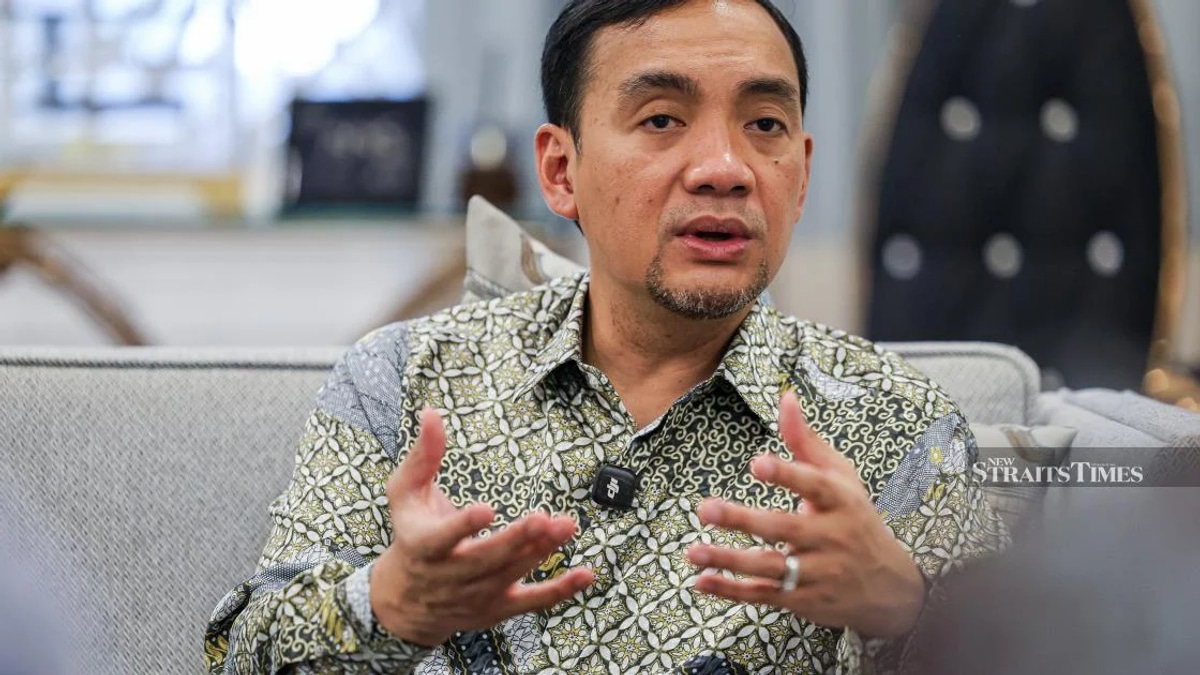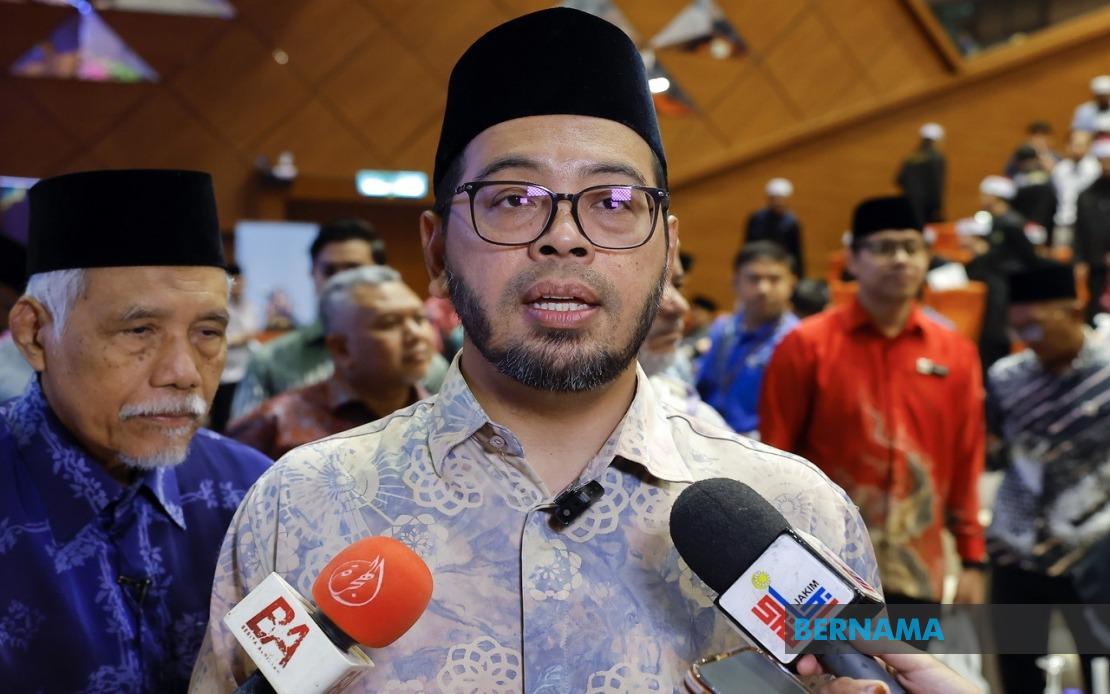
The Malaysian government has committed to strengthening its engagement with young people on matters of religious extremism and misinformation, building directly on guidance provided by the Sultan of Perak, Sultan Nazrin Shah. The Prime Minister's Department (Religious Affairs) made this pledge in Putrajaya following the Sultan's address last week, in which he urged religious leaders to take a more assertive position in protecting youth from the growing dangers of extremism and digital polarisation.
Dr Zulkifli Hasan, the Minister in the Prime Minister's Department (Religious Affairs), indicated that the government views the Sultan's remarks as a strategic direction for policy implementation. The department intends to embed the Sultan's message into its upcoming programmes and initiatives, effectively making the royal guidance a blueprint for youth-focused religious and social engagement strategies. This represents a formalisation of government response to concerns about how Malaysia's younger generation processes religious information and constructs identity in an increasingly complex media environment.
Sultan Nazrin Shah's intervention speaks to a broader regional anxiety about youth vulnerability to ideological recruitment. The Sultan highlighted that contemporary young Malaysians contend with interconnected pressures: environmental concerns about climate change, geopolitical instability, economic precarity, and the fragmenting effects of digital platforms that enable the rapid spread of unverified claims and sectarian messaging. These challenges have eroded traditional trust in established institutions, creating information vacuums that extremist narratives often exploit.
The digital dimension of this problem is particularly acute for Southeast Asia. Unlike previous generations, Malaysian youth navigate multiple competing narratives simultaneously across social media, encrypted messaging applications, and video platforms where algorithmic curation can intensify exposure to extreme ideologies. The phenomenon is not limited to jihadist recruitment; it encompasses far-right messaging, cultish religious interpretation, and conspiracy theories that corrode social cohesion. Religious leaders, by virtue of their moral authority and community access, occupy a unique position to provide counter-narratives grounded in scriptural tradition and ethical reasoning.
Sultan Nazrin's call implicitly critiques the previous approach whereby government agencies operated largely in isolation from grassroots religious teachers and community figures. By repositioning religious leaders as active participants rather than passive observers, the framework acknowledges that extremism prevention requires buy-in from the constituencies most trusted by young people. This shift aligns with international best practice in countering violent extremism, which emphasises community-led, culturally sensitive interventions over top-down messaging campaigns that often ring hollow to young audiences.
The timing of the Sultan's address reflects growing alarm about specific trends. Malaysia has seen periodic waves of youth recruitment into militant networks, and the country's active social media ecosystem has become a recruitment and propaganda distribution channel. Recent years have also witnessed the emergence of homegrown conspiracy theories and heterodox religious movements that appeal to digitally literate youth seeking alternative explanations for economic dislocation and rapid social change. The government's decision to operationalise the Sultan's guidance suggests recognition that containment through security measures alone has proven insufficient.
Dr Zulkifli's commitment to mainstream the Sultan's message indicates that the department will likely develop training programmes for religious leaders, create digital content targeting young audiences, and establish collaborative platforms linking mosques, Islamic schools, and youth centres. Such initiatives could include workshops on digital literacy, seminars exploring authentic Islamic positions on contemporary issues, and mentorship programmes connecting respected religious figures with at-risk youth. The department may also coordinate with the Ministry of Education to integrate preventive messaging into school curricula.
For Malaysia's broader development trajectory, this intervention carries significance beyond immediate security concerns. Youth disengagement from institutions—whether religious, political, or civil—undermines social capital and democratic participation. By channelling religious authority toward strengthening institutional trust and critical thinking among young people, the government aims to fortify resilience against not just extremism but broader patterns of cynicism and alienation. This is particularly important given Malaysia's multicultural context, where inter-communal relations depend on youth understanding diverse religious perspectives without prejudice.
The initiative also reflects shifting dynamics within Malaysia's religious establishment. The involvement of Sultan Nazrin, a respected constitutional figure known for thoughtful public engagement, suggests that the monarchy is prepared to play a more visible role in articulating national values around religious moderation and social cohesion. This potentially influences how other state religious leaders and federal authorities approach the problem, creating space for coordinated action across Malaysia's federal system.
Regionally, Malaysia's approach may influence how other ASEAN nations address similar challenges. Countries like Indonesia, Thailand, and the Philippines contend with comparable threats of digital radicalisation and youth vulnerability to extremist messaging. Malaysia's emphasis on mobilising religious leaders as frontline defenders against misinformation could model alternative approaches to the security-centric policies that some neighbouring states have pursued.
The effectiveness of these commitments will ultimately depend on sustained resource allocation, genuine partnership with religious leaders rather than top-down directives, and willingness to address underlying grievances that attract young people to extremist frameworks in the first place. Economic opportunity, educational quality, and inclusive governance remain foundational; religious messaging alone cannot compensate for structural inequality or perceived injustice. The government's task is to fold these complementary interventions into a coherent strategy that treats extremism and misinformation as symptoms of deeper disconnection rather than phenomena to be isolated and suppressed.