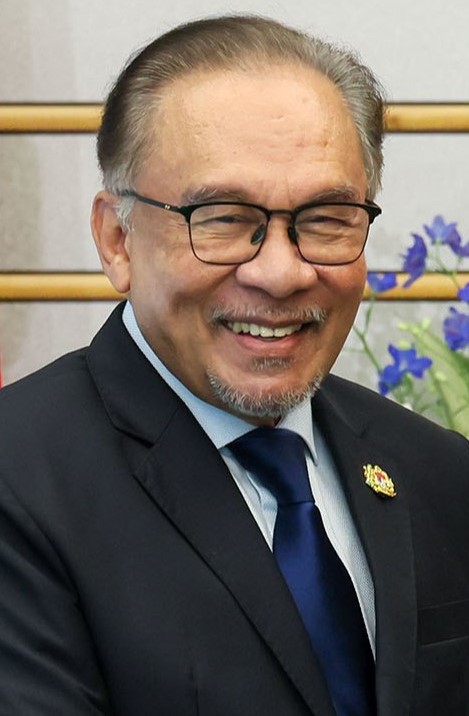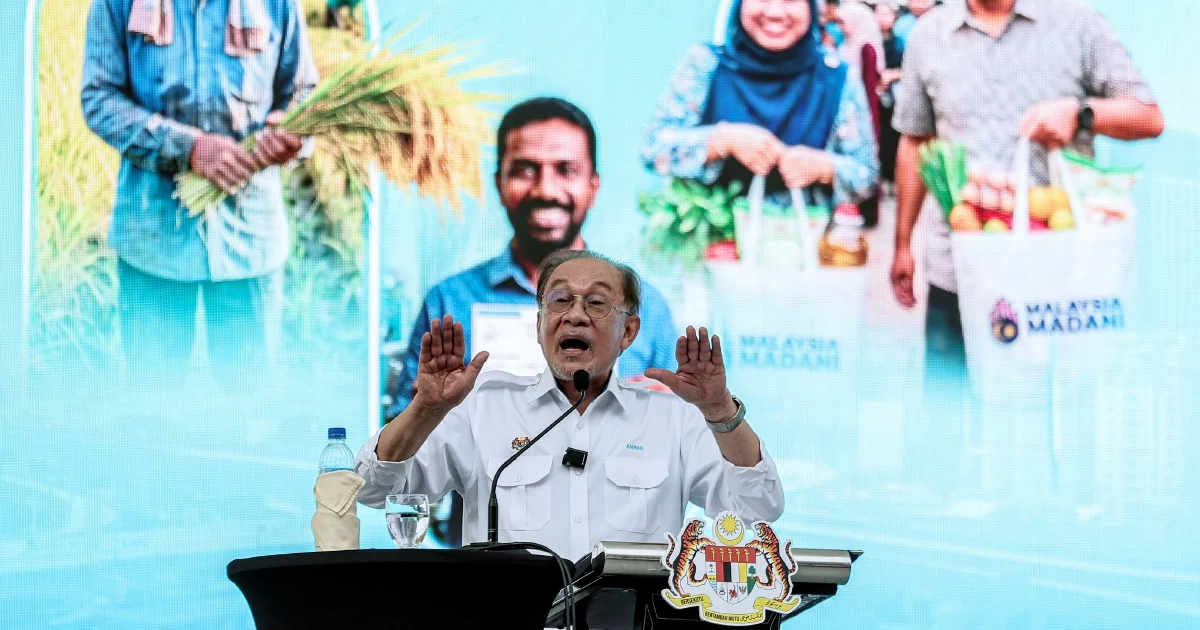
Prime Minister Anwar Ibrahim has unveiled a significant boost to grassroots community security infrastructure across Malaysia, announcing that Neighbourhood Watch Areas nationwide will receive increased annual grants of RM10,000, up from the previous RM6,000 allocation. The announcement, made in Segamat, represents a 66 per cent jump in funding that underscores the government's commitment to strengthening local crime prevention initiatives at the neighbourhood level. The enhanced disbursement will commence on January 1, 2027, giving local communities ample time to prepare for the expanded budgets and plan their security operations accordingly.
The initiative reflects a strategic shift in how Malaysian authorities approach community policing and safety. Rather than centralising resources at state or federal levels, the government is channelling additional funds directly to grassroots organisations, recognising that locally-led security efforts often prove more effective at preventing petty crime and building neighbourhood cohesion. Neighbourhood Watch Areas, known locally as KRT, have traditionally operated with modest funding constraints, frequently relying on volunteers and community contributions to supplement government grants. This expanded allocation provides considerably more financial flexibility for these groups to conduct operations, purchase equipment, and organise patrols.
The decision comes at a time when Malaysian communities increasingly demand stronger localized security measures. Urban sprawl, rising property crime, and evolving security challenges have prompted residents in many neighbourhoods to organise themselves into watch groups. While these voluntary associations have demonstrated genuine commitment to keeping streets safer, their effectiveness has been hampered by limited resources. With RM10,000 in annual funding, individual watch areas can invest in proper uniforms, communication equipment, training programmes, and community engagement activities that were previously beyond their financial reach.
From a policy perspective, this funding increase addresses a long-standing gap in Malaysia's security infrastructure. While the police force maintains primary responsibility for law enforcement, there exists a crucial intermediate layer where community members themselves become part of the security solution. By empowering KRT groups with substantially higher budgets, the government effectively multiplies the eyes and ears operating in neighbourhoods. This distributed security approach complements official policing efforts while reducing the burden on already stretched police resources, which must cover vast geographic areas and diverse crime categories.
The timing of the announcement carries significance for Malaysian politics. By targeting rural constituencies like Segamat for the announcement, the government demonstrates commitment to addressing security concerns across both urban and rural Malaysia. Rural Neighbourhood Watch Areas often operate with particular challenges, including geographic dispersal of residents, longer police response times, and limited commercial infrastructure. The increased grant provides tangible support that resonates with voters in these areas while signalling that the government has not overlooked peripheral communities in favour of major cities.
The January 1, 2027 implementation date provides a natural starting point aligned with the calendar year, facilitating budget planning and accounting procedures for thousands of KRT groups. This staggered timing also allows the government to communicate guidelines, provide training, and ensure proper systems are in place before the first tranche of enhanced funding flows to beneficiaries. Community leaders will have several months to prepare proposals for how they intend to utilise the increased resources, whether for equipment purchases, personnel training, or expanded patrol schedules.
Looking regionally, Malaysia's approach mirrors patterns across Southeast Asia where governments increasingly recognise community policing as essential to holistic security strategies. Countries including the Philippines, Indonesia, and Thailand have similarly invested in grassroots safety initiatives, understanding that sustainable crime prevention emerges from engagement rather than enforcement alone. Malaysia's decision positions the country alongside regional peers pursuing community-centred security models.
The funding increase also carries economic implications for local suppliers and security equipment providers. Neighbourhood Watch Areas collectively represent a significant purchaser of uniforms, torches, communication devices, and safety equipment. With substantially higher budgets across thousands of groups, this sector should experience increased demand, potentially spurring small business growth in security-related merchandise and services. Local entrepreneurs supplying these communities may find expanded market opportunities as KRT groups move beyond minimal equipment to more comprehensive security apparatus.
Implementation challenges, however, merit consideration. With enhanced funding comes heightened accountability expectations. The government will likely establish oversight mechanisms to ensure grants are deployed effectively and transparently. KRT leadership must demonstrate that expanded budgets translate into measurable security improvements rather than merely augmenting expenditure. Community members will expect tangible results—reduced break-ins, improved street lighting, more visible patrols—justifying the government's increased investment in their neighbourhoods.
The announcement also raises questions about equity and allocation mechanisms. With RM10,000 annual grants, wealthier neighbourhoods might purchase advanced technology and professional-grade equipment, while more modest communities might struggle to derive equivalent benefits. The government may need to develop capacity-building programmes ensuring all KRT groups, regardless of their existing sophistication or resource base, can effectively deploy the enhanced funding.
Looking forward, this funding decision potentially establishes a foundation for further expansion of community security programmes. If the 2027 rollout demonstrates positive results in crime reduction and community satisfaction, the government might consider additional initiatives supporting neighbourhood organisations in other domains—traffic management, welfare outreach, or environmental monitoring. The RM10,000 grant represents not merely a budget adjustment but a statement about the government's vision for how Malaysian communities can participate actively in their own security and wellbeing.
For Malaysian residents, the announcement offers practical benefit through enhanced neighbourhood security while reinforcing a principle gaining traction globally: that safety and security emerge not solely from government provision but from engaged communities mobilising collective resources toward common protective goals.