Malaysia has reaffirmed its commitment to elevating standards in the recruitment and management of foreign workers from Bangladesh, one of Southeast Asia's largest labour-exporting nations. The Human Resources Ministry (KESUMA) announced that it will pursue comprehensive reforms to ensure the cross-border employment process operates with transparency, fairness and ethical rigour, addressing long-standing concerns about migrant worker protections that resonate across the region.
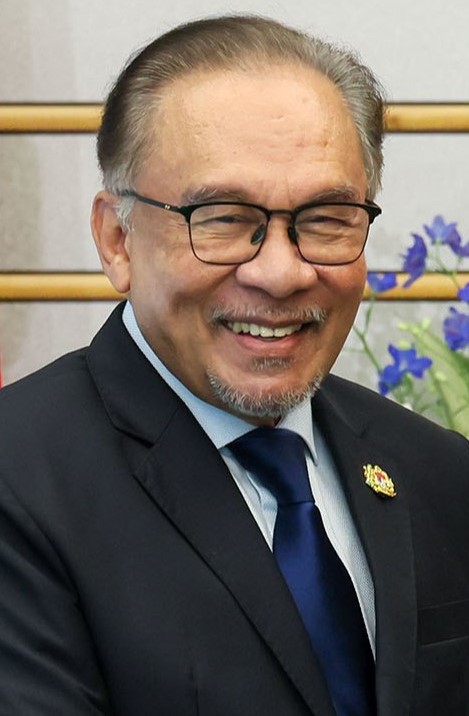
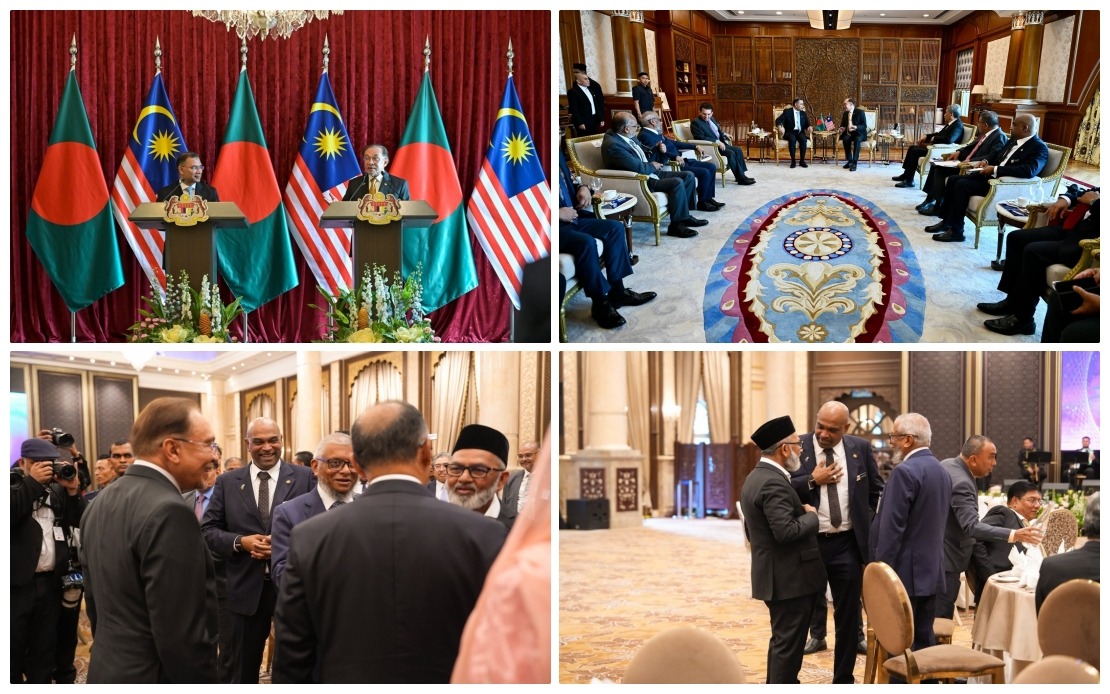
The ministry's renewed focus on governance standards follows a bilateral meeting between Prime Minister Datuk Seri Anwar Ibrahim and Bangladeshi Prime Minister Tarique Rahman, who is undertaking his inaugural official international visit since taking office in February. The two leaders agreed to establish a Joint Working Group dedicated to evaluating existing labour arrangements and drafting updated agreements tailored to current economic and social realities facing both countries.
Minister Datuk Seri R. Ramanan emphasised that Bangladesh remains instrumental to Malaysia's economic competitiveness, supplying a substantial proportion of the country's foreign workforce across manufacturing, construction, services and domestic sectors. The scale of this dependency underscores the importance of robust bilateral frameworks. Malaysia's reliance on Bangladeshi workers reflects broader regional labour dynamics, where Southeast Asian economies increasingly depend on cross-border migration to sustain productivity and growth amid demographic challenges.
The governance overhaul addresses recurring issues that have marred labour migration corridors throughout Asia, including wage theft, contract manipulation, unsafe working conditions and inadequate social protection. By establishing clearer ethical mechanisms, both governments signal intent to eliminate exploitation at recruitment stages, where vulnerability often peaks. This aligns with international labour standards promoted by organisations like the International Labour Organisation, which has consistently documented abuses within underdeveloped migration frameworks.
RAMANAN stressed that strengthening worker welfare and safety mechanisms serves mutual interests. For Bangladesh, enhanced protections safeguard nationals abroad and ensure remittances—a critical foreign exchange source—flow from legitimate employment. For Malaysia, ethical recruitment reduces reputational risks, supports labour law compliance and fosters social stability by preventing the emergence of undocumented or exploited worker populations that can generate legal and humanitarian complications.
The proposed Joint Working Group will undertake a comprehensive evaluation of the existing Memorandum of Understanding, identifying gaps between current provisions and evolving labour market conditions. This diagnostic phase is essential, as older agreements often lack provisions addressing digital work arrangements, skills development, wage portability and dispute resolution mechanisms tailored to contemporary migration patterns. The committee's mandate to draft refreshed terms reflects recognition that static labour agreements become increasingly misaligned with reality over time.
For Malaysian employers across labour-intensive sectors, the reformed framework could introduce new compliance obligations alongside potential benefits of more reliable, legally secure workforce access. Companies previously operating in grey zones regarding recruitment practices will face pressure to formalise arrangements and invest in proper hiring channels. This transition, while administratively burdensome initially, ultimately strengthens business sustainability by reducing legal exposure and workforce instability associated with irregular employment.
The Bangladesh government benefits substantively from structured bilateral dialogue with a major destination country. Tarique's visit and the working group initiative demonstrate that Dhaka can leverage migration as a foreign policy asset while securing genuine protections for its citizens. Given Bangladesh's projected population growth and labour force expansion, formalised migration pathways to stable economies like Malaysia offer crucial economic safety valves and income opportunities for millions of families.
Regionally, the Malaysia-Bangladesh labour initiative holds significance beyond bilateral relations. As Southeast Asia grapples with labour shortages across multiple sectors, competing nations including Singapore, Thailand and South Korea are developing increasingly sophisticated recruitment strategies. Malaysia's effort to establish ethical, transparent systems could enhance its competitive positioning while setting regional benchmarks for responsible labour migration governance.
The collaboration also addresses governance weaknesses endemic to current migration systems across South and Southeast Asia, where informal recruitment networks, exploitative intermediaries and weak enforcement of existing rules persist despite formal agreements. By creating dedicated institutional mechanisms through the Joint Working Group, both governments can potentially reduce the reliance on unregulated agents and establish verifiable accountability chains from recruitment through employment completion.
Implementation will be critical. Previous labour agreements between nations have faltered due to inconsistent enforcement, inadequate monitoring and political transitions that deprioritise worker protections. For this initiative to succeed, both governments must commit sustained resources to the working group, establish measurable compliance indicators and create dispute resolution mechanisms with real enforcement power rather than advisory status.
Looking forward, the modernised framework should incorporate emerging challenges including skills certification, wage guarantee mechanisms, digital platforms for contract verification and independent complaint channels accessible to workers across borders. These innovations distinguish merely formal compliance from genuine protective systems.
The bilateral commitment represents a pragmatic acknowledgment that sustainable economic growth requires ethical foundations. As Malaysia and Bangladesh advance negotiations toward a new agreement, their efforts will be scrutinised by worker advocates, international organisations and other labour-receiving nations considering analogous reforms across the region.