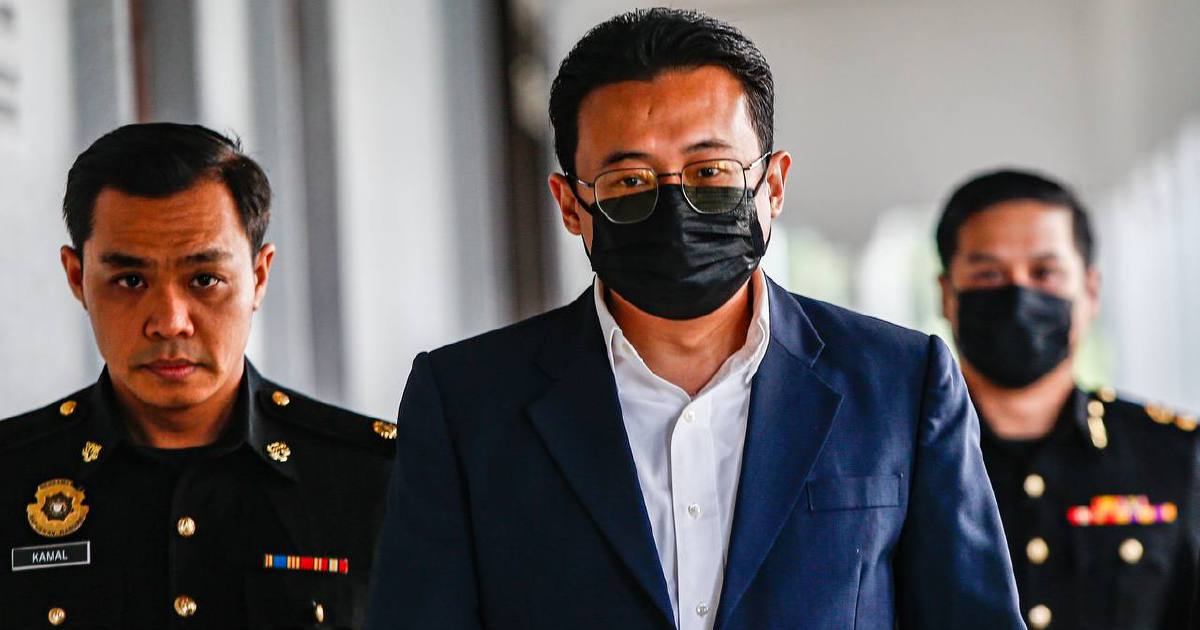
The chief executive officer of Malaysia Stadium Corporation (MSC) entered a not guilty plea at the Sessions Court in Kuala Lumpur today, contesting seven charges that he solicited and accepted bribes valued at RM1.45 million. The allegations centre on his conduct in relation to awarding a company a tender for the upgrading of the National Squash Centre, one of the country's premier sporting facilities that hosts international competitions.
The bribery charges represent a significant development in Malaysia's ongoing efforts to combat corruption within public agencies, particularly those overseeing government-linked projects and sporting infrastructure. Such allegations raise important questions about governance standards and procurement practices in the management of national sports facilities, assets that require substantial public investment and should be allocated through transparent, merit-based processes.
Malaysia Stadium Corporation operates several important sporting venues across the country and plays a crucial role in maintaining the infrastructure necessary for developing elite athletes and hosting regional and international sporting events. The National Squash Centre, where the alleged impropriety occurred, is recognised as a world-class facility with historical significance in Malaysian sports. Any compromise to the integrity of its management and maintenance contracts undermines public confidence in the governance of sports institutions.
The nature of these charges—involving the solicitation and acceptance of bribes as inducement for awarding commercial contracts—reflects a pattern of corruption that enforcement authorities have increasingly focused upon in recent years. Tender processes for infrastructure upgrades are vulnerable to manipulation when officials prioritise personal gain over the interests of the institution and the sporting community that depends on these facilities.
The allegation involves a substantial sum of RM1.45 million, suggesting a significant level of potential corruption tied to what would likely be a major capital project. Upgrading sporting facilities typically involves multiple stakeholders, including contractors, engineers, and oversight bodies, creating numerous opportunities for procurement irregularities if proper controls are absent or circumvented.
The court proceedings will now require the prosecution to present evidence substantiating the allegations, including documentation related to the tender process, financial transactions, communications between the accused and the company awarded the contract, and testimony from witnesses who may have knowledge of the alleged impropriety. The defence will have opportunity to challenge the evidence presented and advance arguments supporting the not guilty plea.
This case carries implications beyond the individual defendant, as it touches upon the broader question of how Malaysia's public sector manages corruption risks within government-linked companies. Sports facilities represent important national assets that benefit athletes, support community engagement in physical activities, and enhance Malaysia's reputation in hosting international sporting events. The integrity of their management is therefore a matter of public interest.
The allegations emerge against a backdrop of heightened public awareness regarding corruption in Malaysia following the establishment of various anti-corruption mechanisms and high-profile cases in recent years. Public agencies and their leadership face increasing scrutiny regarding ethical conduct and compliance with governance standards, reflecting society's expectation that those entrusted with managing public resources demonstrate transparency and accountability.
For the sporting community and facilities users, such allegations are concerning as they potentially impact investment decisions regarding maintenance, upgrades, and development of sporting venues. If procurement processes are compromised, the quality of work may suffer, costs may be inflated, and resources may not be optimally allocated to areas of greatest need.
The trial proceedings will unfold over coming weeks and months as the court examines the evidence and hears submissions from both prosecution and defence. The outcome will be significant not only for the individual involved but also for establishing precedent regarding accountability within sports management institutions and reinforcing standards expected of senior officials in government-linked organisations.
This case also highlights the importance of robust internal controls, whistleblower mechanisms, and independent oversight in preventing corruption. Sports organisations, like all public institutions, must ensure that procurement processes incorporate competitive bidding, transparent evaluation criteria, and separation of duties to minimise opportunities for misconduct.
The Sessions Court hearing marks the beginning of a judicial process that will determine the veracity of allegations and, ultimately, accountability. As Malaysia continues to develop its institutional capacity to combat corruption across all sectors, cases such as this demonstrate both the challenges authorities face and their commitment to investigating serious misconduct allegations involving officials in positions of trust.