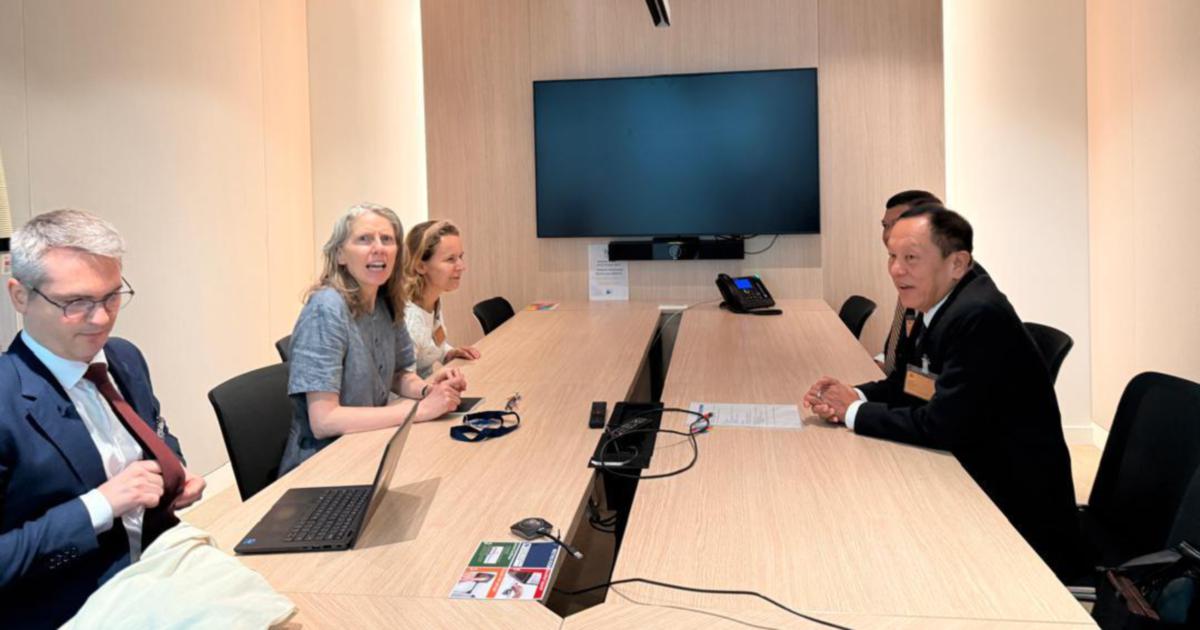
Malaysia has brought its substantial expertise in recovering assets connected to 1Malaysia Development Bhd (1MDB) to an international anti-corruption platform, speaking at an Organisation for Economic Co-operation and Development (OECD) gathering focused on combating bribery in Paris. The presentation represents a significant moment for the Malaysian Anti-Corruption Commission (MACC) and reflects how the country's painful experience with one of the world's most prominent financial scandals has become a case study for global enforcement officials seeking to reclaim stolen public money.
The 1MDB saga, which unfolded between 2009 and 2015, resulted in the alleged misappropriation of approximately USD 4.5 billion from a sovereign wealth fund established to drive Malaysia's economic development. The sprawling scheme involved conspirators across multiple continents and financial systems, making it not merely a domestic challenge but a test of international cooperation in detecting, prosecuting, and remedying cross-border financial crime. The subsequent recovery efforts have yielded millions in seized assets and convictions, establishing Malaysia as a jurisdiction that has confronted systemic corruption at its highest levels and pursued accountability across borders.
The OECD forum in Paris specifically addresses anti-bribery conventions and enforcement mechanisms that signatory nations have adopted since 1997. For Malaysia, which has progressively strengthened its anti-corruption institutional framework, the platform offers an opportunity to demonstrate how domestic agencies like the MACC have evolved to pursue international collaboration in asset tracing and recovery. The sharing of methodologies and lessons learned carries weight with delegations from advanced economies and developing nations alike, particularly those wrestling with their own cases involving transnational corruption networks.
Asset recovery from international financial crimes represents one of the most technically complex and legally intricate aspects of anti-corruption work. Funds siphoned from 1MDB were layered through multiple jurisdictions—including Singapore, Hong Kong, Switzerland, and the United States—requiring Malaysian authorities to coordinate with foreign counterparts, understand divergent legal frameworks, and navigate the intricacies of mutual legal assistance treaties. The experience has equipped Malaysian officials with practical insights into the bottlenecks that hamper recovery efforts globally, from delays in freezing orders to the complexities of proving beneficial ownership in offshore structures.
Malaysia's presentation at the OECD meeting underscores a broader strategic shift in how the country positions itself within the international anti-corruption architecture. Rather than remaining solely a cautionary tale of governance failure, Malaysia has emerged as an active participant in shaping best practices and enforcement standards. This narrative transformation is significant for Malaysian business confidence and foreign investment perceptions, as it signals that the country takes institutional accountability seriously and has implemented safeguards to prevent recurrence of such scandals.
The MACC, established in 2009, has undergone substantial institutional strengthening since the early days of the 1MDB investigation. The agency now maintains specialised units focused on international cooperation, financial investigation, and asset recovery. Training programmes have been expanded, and cross-agency coordination with the Royal Malaysian Police, the Securities Commission Malaysia, and the Ministry of Finance has improved markedly. These systemic improvements provide the foundation for Malaysia to credibly share lessons with other jurisdictions grappling with similar challenges.
From a Southeast Asian perspective, Malaysia's experience carries particular relevance. The region has witnessed its own share of high-level corruption cases and cross-border financial crime, often involving family-run conglomerates or state-linked enterprises. Countries across ASEAN are progressively upgrading their anti-corruption capacities and seeking to align with international standards on asset recovery, financial transparency, and beneficial ownership disclosure. Malaysia's presentation at the OECD forum implicitly demonstrates that emerging markets can achieve sophisticated enforcement outcomes when political will, institutional resources, and international cooperation converge.
The recovery of 1MDB-linked assets continues to this day through various channels. Malaysian authorities have worked with counterparts in the United States, where the Department of Justice and Federal Bureau of Investigation have pursued parallel cases against individuals allegedly involved in the theft. Settlements with major international financial institutions have yielded billions in compensation and disgorgement, with portions returned to Malaysia or directed to remedial purposes. These ongoing recoveries illustrate that asset tracing and repatriation are marathon endeavours requiring sustained commitment and diplomatic negotiation.
However, the full recovery of stolen 1MDB funds remains an incomplete objective. A significant portion of the misappropriated money has not been located or recovered, highlighting the difficulties in pursuing assets through complex offshore structures and jurisdictions with weak beneficial ownership transparency regimes. Malaysia's OECD presentation likely addresses not only successes but also candid assessments of remaining obstacles, thereby contributing to an honest international dialogue about the limits and possibilities of asset recovery in an interconnected financial system.
The participation of Malaysian officials in the Paris OECD forum reflects broader institutional maturation within the country's anti-corruption ecosystem. Where Malaysia once struggled to mount effective cases against powerful figures, the country now sits alongside representatives from established democracies and advanced economies as a peer in discussing enforcement strategies. This evolution carries implications for Malaysia's standing in international rankings measuring governance quality and rule of law, domains where credible enforcement of anti-corruption laws carries substantial weight.
Looking ahead, Malaysia's continued engagement with international anti-corruption networks through forums like the OECD serves multiple purposes. It reinforces commitments to transparency and accountability that reassure foreign investors concerned about governance risks, it builds relationships with enforcement agencies in other jurisdictions that may support Malaysia's own investigations, and it positions Malaysian expertise as a resource for technical assistance and capacity-building in the region. The sharing of 1MDB recovery experiences thus represents not simply a retrospective accounting of a dark chapter, but a forward-looking commitment to preventing recurrence and contributing to global standards that make such frauds more difficult to perpetrate and conceal.

