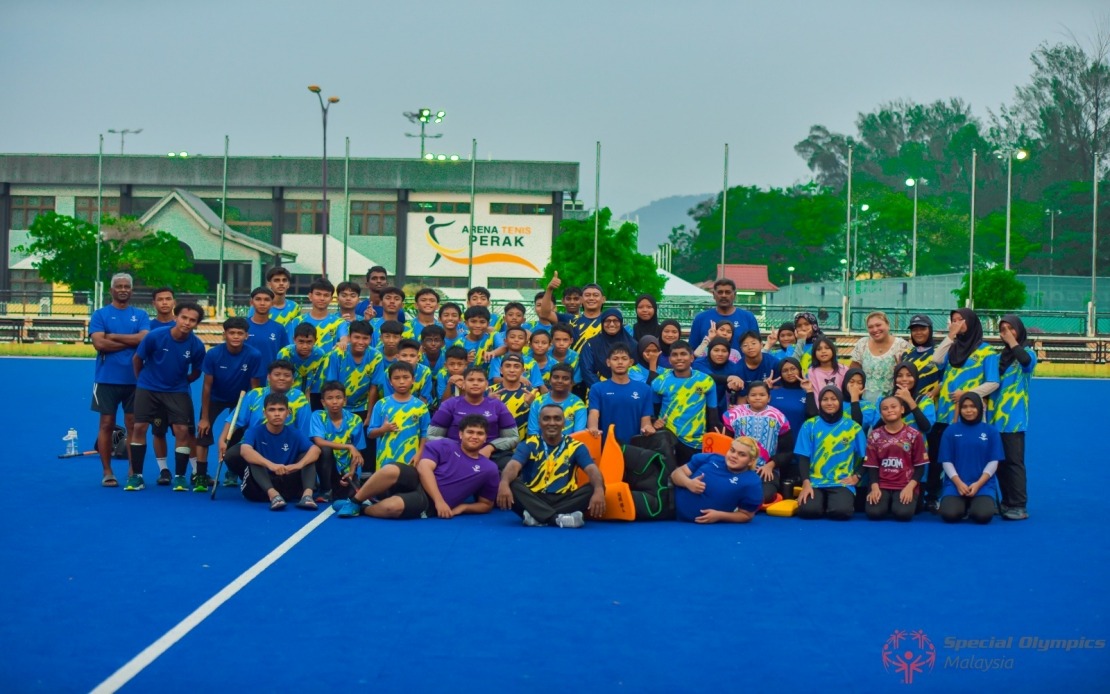
Malaysia is preparing to make its mark on the international para hockey stage by fielding a 10-member delegation at the inaugural FIH Para Hockey ID World Cup 2026, a historic tournament scheduled to take place across Belgium and the Netherlands from August 20 to 25. The squad, comprising six male and four female athletes, represents the country's commitment to advancing inclusive sports and demonstrating Malaysian excellence in the intellectual disability category on the world stage.
The selection of these athletes followed a methodical process that began in December 2025, with evaluators assessing participants across multiple criteria including competitive performance, consistency in training commitments, and adherence to discipline. Shanker Retinam, serving as assistant head of delegation for the Malaysian contingent, emphasised the thoroughness of this selection framework in a statement released by the Perak Special Olympics Association. The chosen representatives have since undergone intensive monthly centralised training sessions held in Ipoh, ensuring they arrive in Europe fully prepared for the competitive demands of world-class para hockey competition.
The inaugural tournament itself carries significant prestige within the international para sports community, as it will gather the 16 elite teams globally to compete at the highest level of intellectual disability hockey. This inaugural event provides a crucial platform for Malaysian athletes to showcase their technical abilities, tactical understanding, and athletic prowess against the world's strongest para hockey nations. The exposure and competitive experience gained will prove invaluable for the development of para hockey as a discipline within Malaysia and the broader Southeast Asian region.
What elevates the significance of this particular tournament is its integration with the elite Men's and Women's Hockey World Cups, which will be simultaneously contested at the same venues in Belgium and the Netherlands. This arrangement underscores the growing recognition of para hockey as a sport worthy of equal prominence within international hockey governance structures. For Malaysian athletes, competing alongside able-bodied world champions and participating within the same international infrastructure sends a powerful message about inclusion and the legitimacy of para sports competition.
Malaysia's competitive draw has been challenging but manageable. The national team has been placed in Pool B alongside seven other nations: the Netherlands, Argentina, England, Spain, India, Chile, and Bulgaria. This grouping ensures exposure to both established hockey powerhouses and emerging para hockey nations, providing diverse competitive experiences. The team will commence its tournament campaign with an opening fixture against Bulgaria in the Netherlands, an encounter that will set the tone for their overall performance and serve as a critical test of their preparation work.
Logistical preparations have proceeded according to schedule, with the Malaysian delegation scheduled to depart for Europe on August 17, providing adequate time for acclimatisation and final tactical preparations before competition commences. The team's departure will be marked by an official flag-handover ceremony held at the Royal Perak Golf Club, where Sultan of Perak Sultan Nazrin Shah will officiate. This ceremonial send-off reflects the importance placed on the event within Malaysia's sporting hierarchy and demonstrates institutional support for para athletes at the highest governmental levels.
The para hockey movement in Malaysia represents a significant but often underappreciated dimension of the nation's sporting landscape. Intellectual disability sports, through platforms such as Special Olympics, have historically received less media attention and funding compared to mainstream competitive disciplines. This World Cup appearance provides an opportunity to elevate the profile of para hockey and potentially inspire greater investment in inclusive sports programmes across Malaysian schools, universities, and sports associations.
For Southeast Asia more broadly, Malaysia's participation in this inaugural championship carries implications for regional sporting development. The success or struggles of the Malaysian team will likely influence how other Southeast Asian nations perceive their own potential in para hockey and may catalyse increased participation from countries like Thailand, Indonesia, and Vietnam. The visibility of Asian representation at this tournament demonstrates that intellectual disability hockey is not confined to traditional European and North American strongholds.
The training infrastructure that has been developed to prepare this squad, centred in Ipoh, may serve as a model for future para sports programmes in Malaysia. The sustained monthly centralised training approach, maintained over an extended preparation period, represents a commitment to athlete development that extends beyond casual participation. Should the Malaysian team achieve competitive success or even respectable performances against vastly experienced opponents, such outcomes would validate this systematic approach and justify continued investment in para sports infrastructure.
Looking ahead, this inaugural tournament will establish baseline expectations and benchmarks for Malaysian para hockey performance. Future competitions will allow evaluation of whether the team demonstrates improvement, stability, or decline in competitive standing. The 2026 World Cup thus serves not merely as a one-off competitive event but as a foundational reference point for assessing the health and trajectory of intellectual disability hockey in Malaysia. The athletes selected represent not just themselves but the potential and aspirations of countless other Malaysians with intellectual disabilities who might be inspired to engage with organised sport.

