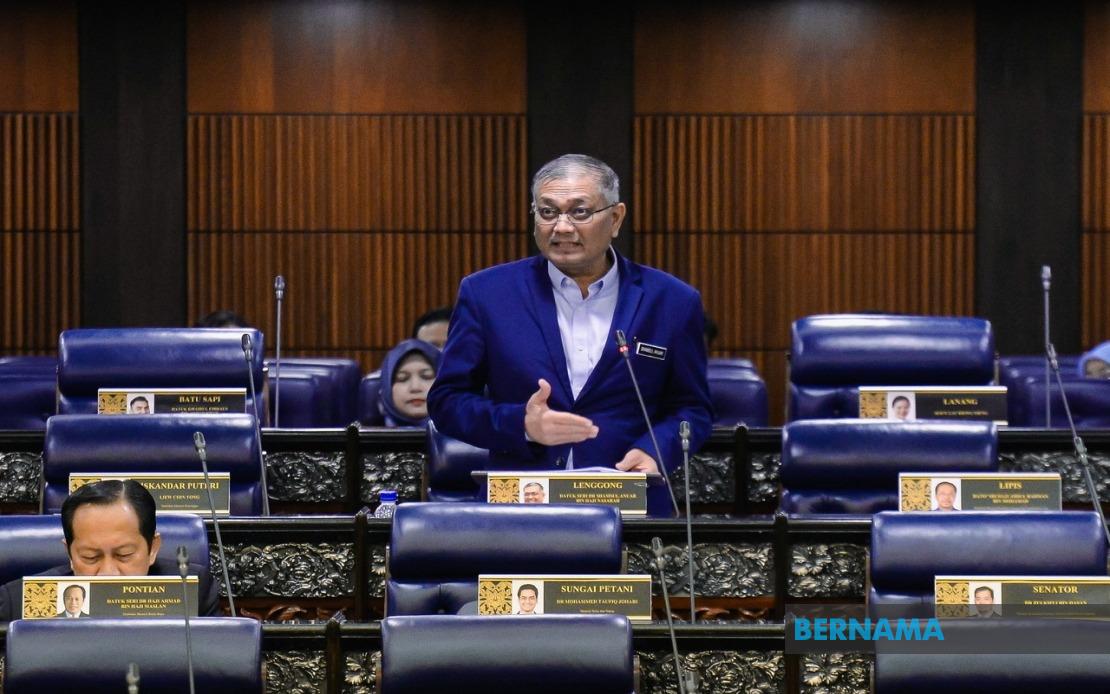
Malaysia has intensified its campaign against illegal cryptocurrency mining, with enforcement agencies seizing over 75,000 mining machines during more than 3,000 raids conducted between 2022 and May 2024. Deputy Home Minister Datuk Seri Dr Shamsul Anuar revealed the scale of the crackdown in Parliament, highlighting the coordinated effort involving the Royal Malaysia Police, Tenaga Nasional Berhad (TNB), municipal authorities, and other government agencies. The operations have resulted in 629 arrests, demonstrating a sustained commitment to combating what has become an increasingly serious problem affecting the nation's power infrastructure and public security.
The illegal mining phenomenon persists despite previous enforcement actions, driven fundamentally by the lucrative economics of digital asset markets. Criminals exploit cryptocurrency's volatile price movements and the substantial profits available from mining operations to justify the risks of operating illegally. However, Deputy Home Minister Shamsul Anuar emphasised that financial incentives cannot excuse the systematic theft of electricity and other infractions that accompany unauthorised mining. The illegal operations represent not merely a regulatory violation but a deliberate strategy to circumvent legitimate business costs by tapping into the nation's electricity supply without authorisation or compensation.
The Home Ministry's evolving enforcement strategy reflects recognition that conventional policing methods require enhancement to address the sophisticated nature of modern illegal mining networks. Officials now prioritise intelligence gathering alongside technological innovations to identify potential operational hubs before launching raids. This proactive approach represents a significant shift from reactive enforcement, allowing authorities to concentrate resources on high-impact targets and respond with greater precision. The collaboration between TNB and law enforcement agencies has proven instrumental, as the utility company's technical expertise in identifying abnormal consumption patterns provides crucial leads for investigators planning operations.
Understanding Malaysia's regulatory framework for cryptocurrency clarifies why mining operations have attracted such intense scrutiny. While cryptocurrency ownership and trading remain permissible activities within the nation, the government does not recognise digital assets as legal tender. Cryptocurrency mining specifically becomes illegal when operators establish unauthorised electrical connections, tamper with meters, disrupt power distribution systems, or operate without proper licensing. This legal distinction is crucial: it means the problem extends beyond simple tax evasion or regulatory non-compliance to encompass electricity theft and infrastructure sabotage that threatens the stability of Malaysia's power supply.
The financial impact on TNB represents one of the most tangible consequences of illegal mining proliferation. Systematic electricity theft through unauthorised connections and metre tampering imposes direct losses on the utility company and ultimately increases costs for legitimate consumers. Beyond direct financial drain, illegal mining operations create technical challenges for TNB's grid management, potentially destabilising local power distribution networks. The concentrated demand from mining clusters can overwhelm local infrastructure, creating cascading effects that disrupt supply to entire communities. This infrastructure vulnerability has prompted TNB to invest substantially in detection capabilities and to participate actively in enforcement operations.
Regulatory oversight of the cryptocurrency sector in Malaysia remains fragmented across multiple institutions, reflecting the complexity of managing digital assets within a traditional financial framework. The Securities Commission Malaysia assumes primary responsibility for regulating digital assets under applicable legislation, ensuring market integrity and investor protection within the permissible trading environment. Meanwhile, Bank Negara Malaysia maintains oversight of financial stability, payment systems operations, and compliance with anti-money laundering requirements. This division of labour creates a comprehensive regulatory architecture, though coordination challenges inevitably arise when investigating mining operations that may intersect multiple regulatory domains.
For Malaysian businesses and residents, the crackdown carries significant implications beyond headlines. The seizure of 75,000 machines represents tremendous capital destruction for those involved in illegal operations, suggesting both serious legal consequences and financial ruin for participants. The visible enforcement effort also signals to businesses that operating outside regulatory frameworks carries genuine risk, potentially deterring new entrants to illegal markets. Simultaneously, residents in areas experiencing industrial-scale mining operations may observe reduced electrical disruptions and more stable power supply as illegal operations are dismantled, though any such improvements typically emerge gradually as enforcement catches up with new illegal activities.
The sustainability of Malaysia's enforcement effort remains a critical consideration. Criminal syndicates continuously adapt operational patterns to evade detection, shifting operations to new locations, adopting camouflage strategies, or utilising increasingly sophisticated methods to disguise electricity consumption. The 75,000 machines seized represent a substantial achievement, yet the continued growth of cryptocurrency markets ensures ongoing incentives for illegal mining ventures. Authorities must maintain momentum in intelligence gathering and technological capability development to sustain effectiveness against adversaries with strong financial motivation to persist.
For the broader Southeast Asian region, Malaysia's enforcement experience carries instructive value. Cryptocurrency mining has similarly challenged authorities across Thailand, Indonesia, and Vietnam, creating comparable infrastructure disruptions and electricity theft problems. Malaysia's integrated approach combining police action, utility company participation, and intelligence-led operations offers a model that neighbouring countries increasingly examine. The scale of Malaysia's enforcement operation, involving thousands of raids and hundreds of arrests, demonstrates the magnitude of resources required to address industrial-scale illegal mining comprehensively.
Looking forward, enforcement effectiveness will increasingly depend on technology adoption and predictive analysis capabilities. The Deputy Home Minister's emphasis on technology use and intelligence gathering suggests that Malaysian authorities recognise that traditional enforcement alone cannot contain a problem rooted in digital infrastructure. Investment in artificial intelligence systems, electricity consumption pattern analysis, and data integration across agencies may prove more decisive than raid frequency alone. Additionally, strengthening international cooperation to trace cryptocurrency proceeds and identify financing sources could address the problem at its economic foundation rather than merely seizing hardware.
The policy messaging from Malaysian authorities also deserves scrutiny regarding the formal distinction between permissible cryptocurrency trading and prohibited mining. This regulatory approach essentially accepts cryptocurrency as an economic reality within Malaysia while attempting to channel it into supervised market activities rather than industrial extraction operations. Whether this compromise position proves sustainable depends on whether authorities can maintain enforcement intensity while cryptocurrency markets potentially face regulatory changes or technological evolution that fundamentally alters the economics of mining operations.

