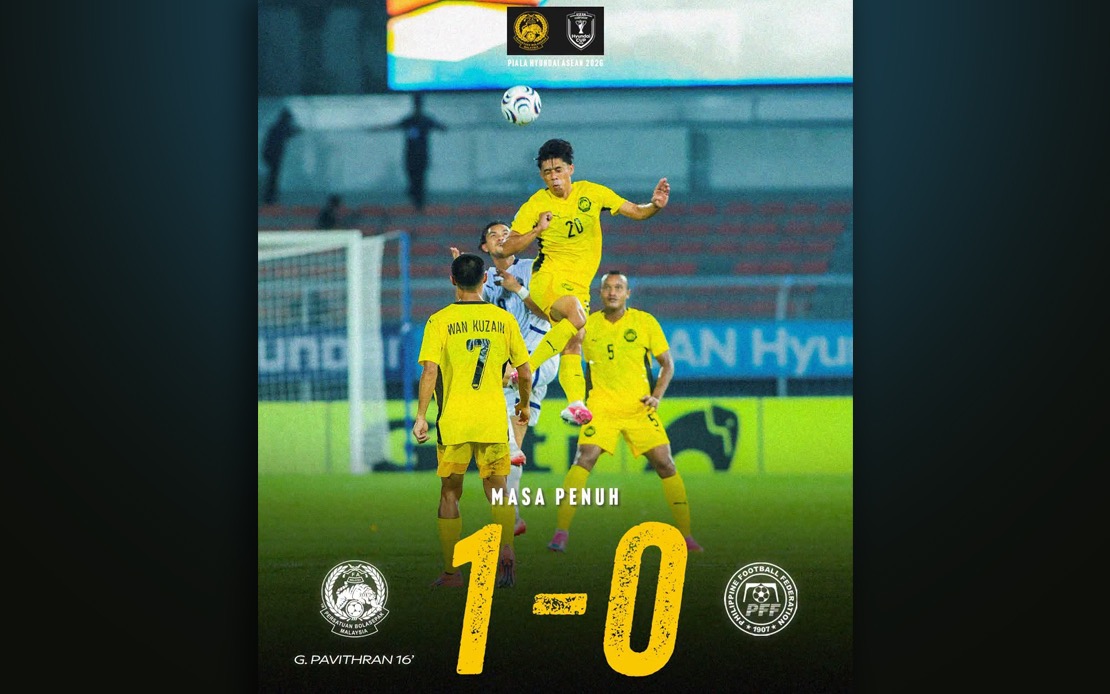
Malaysia's national football team has booked a place in the semi-finals of the 2026 ASEAN Cup following a clinical 1-0 victory over the Philippines at the Kuala Lumpur Football Stadium in Cheras. The result, secured on August 8, ensures the Harimau Malaya will progress from Group B alongside group winners Thailand, setting up a blockbuster clash against the defending champions Vietnam in the knockout stages.
Under interim head coach Tan Cheng Hoe, Malaysia delivered a determined performance fuelled by an energetic home crowd that packed nearly all of the venue's 18,000 seats. The supporters, dressed predominantly in black and yellow, created an intense atmosphere that visibly lifted the players throughout the encounter. The home advantage proved decisive as the team controlled proceedings for much of the match, particularly in the first half, where they established early dominance.
The breakthrough arrived in the 16th minute when midfielder Wan Kuzain Wan Ahmad Kamal delivered a precise cross into the Philippines penalty box. Striker G. Pavithran rose above the defenders to power home a header, giving Malaysia the lead they would not relinquish. The goal unleashed a roar from the stadium and galvanised the home side into pressing their numerical advantage further, forcing the visiting team into a reactive posture.
Through the remainder of the first half, Malaysia dominated possession and dictated the tempo of play. The Philippines, managed by Carles Cuadrat, struggled to create meaningful openings and found themselves repeatedly driven back by Malaysia's coordinated pressing and midfield control. Despite occasional forays forward in search of an equaliser, the Southeast Asian visitors were unable to trouble Malaysia's backline with any real conviction before the interval.
The second half witnessed a more aggressive approach from the Philippines, who emerged determined to breach Malaysia's defence and restore parity. However, the solidity of Malaysia's rearguard, marshalled expertly by captain Paulo Josue, proved impenetrable throughout. The defence executed their assignments with discipline and composure, denying their opponents any genuine scoring chances despite sustained pressure during stretches of the latter stages.
Malaysia came close to extending their advantage in the 85th minute when Pavithran found himself positioned dangerously inside the penalty area following a low cross from a teammate. Philippines defender Jaime Rosquillo managed to intervene decisively at the crucial moment, blocking the attempt and preventing Malaysia from securing a second goal that would have settled the contest beyond doubt. The final whistle came moments later with Malaysia's one-goal advantage intact.
The victory allowed Malaysia to accumulate nine points across their Group B fixtures, sufficient to finish in runners-up position. Group leaders Thailand amassed 12 points after defeating Myanmar 2-0 in the evening's other match, confirming their progression alongside the Harimau Malaya. Thailand's dominance throughout the group stage underscored their credentials as serious contenders, though Malaysia's second-place finish demonstrates sufficient form heading into the knockout phase.
The semi-final matchup pits Malaysia against Vietnam, who claimed the tournament's top seeds by winning Group A with a perfect record. Vietnam's status as defending champions adds considerable prestige to the fixture, though Malaysia's home advantage in the first leg offers genuine opportunity. The two-legged format, scheduled for August 16 and 19, provides both teams with realistic paths to the final, yet Vietnam's pedigree and experience in knockout competitions cannot be underestimated.
For Malaysian football, progressing past the group stage represents solid progress in a continental competition traditionally dominated by regional heavyweights. The combination of Tan Cheng Hoe's tactical acumen, Josue's leadership on the pitch, and the passionate home support creates momentum entering the semi-finals. However, the road ahead against Vietnam represents a considerable step up in difficulty, requiring sustained excellence and a degree of fortune over two matches to upset the defending champions and advance to the final.
The prospect of hosting Vietnam for the first leg at home ground offers Malaysia a tangible advantage to build on their Group B success. Converting that geographical benefit into a positive result would dramatically shift the trajectory of their campaign and establish genuine hope of reaching the final for a genuine attempt at regional glory.

