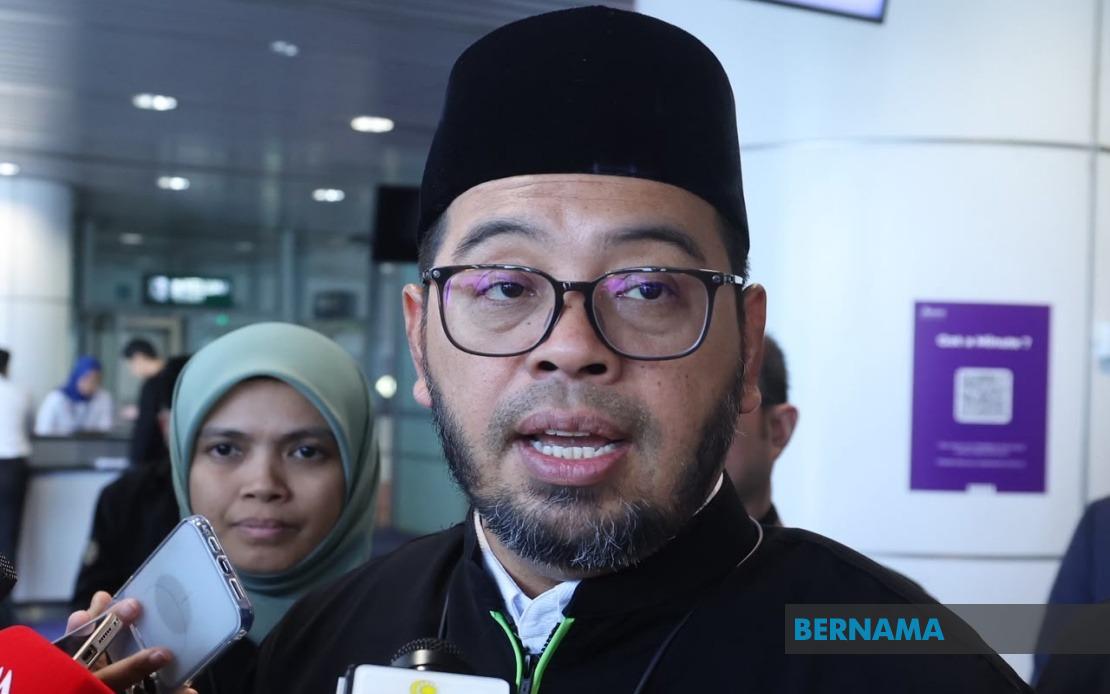
Malaysia has achieved a significant milestone in pilgrimage security by recording zero cases of haj and Badal haj fraud throughout the 1447H/2026M season, marking a breakthrough in efforts to protect vulnerable Muslims undertaking the sacred journey. Minister in the Prime Minister's Department (Religious Affairs) Dr Zulkifli Hasan announced the achievement on Tuesday following the arrival of the final batch of pilgrims at Kuala Lumpur International Airport, underscoring the effectiveness of an integrated approach combining traditional and digital surveillance methods.
The accomplishment reflects the culmination of a multi-agency initiative involving Tabung Haji, the Royal Malaysia Police and relevant government bodies working in tandem to eliminate fraudulent intermediaries who have historically exploited pilgrims' religious devotion and limited knowledge of legitimate procedures. The scale of this coordination is particularly noteworthy given Malaysia's substantial pilgrimage numbers and the historical vulnerability of both first-time and elderly pilgrims to unscrupulous agents offering discounted packages or alternative haj arrangements through unauthorised channels.
A critical component of this anti-fraud framework involved deploying physical monitoring teams at KLIA to screen departing and returning pilgrims, checking documentation and identifying suspicious transactions at departure points. Simultaneously, authorities implemented surveillance of social media platforms where scammers traditionally advertised illegal Badal haj services—proxy pilgrimage arrangements where individuals perform haj on behalf of others, a practice that when conducted through unlicensed operators often results in pilgrims' savings disappearing without any religious obligation being fulfilled. This dual-channel approach closed off both conventional and contemporary avenues through which fraudsters operated.
Dr Zulkifli attributed the success to what he termed the "effectiveness of our measures," highlighting that the absence of reported cases represents not merely passive monitoring but proactive engagement. The minister's public statement during the welcoming ceremony for the final flight carrying 258 pilgrims aboard Malaysia Airlines flight MH 8385 from Madinah signals that the government views this achievement as politically and religiously significant. The presence of Deputy Minister Marhamah Rosli and Tabung Haji Chairman Tan Sri Abdul Rashid Hussain underscored institutional commitment at senior levels.
Beyond fraud prevention, Tabung Haji demonstrated measurable improvement in operational efficiency, reducing the deferment rate—the proportion of successful applicants unable to proceed with their pilgrimage in a given year—from 50 per cent in the previous season to just 18 per cent. This dramatic decline reflects enhanced communications strategies, earlier notifications to prospective pilgrims and sustained preparation campaigns designed to ensure applicants could fulfil their financial and logistical obligations when their turn arrived. For a Muslim-majority nation where haj remains a deeply significant religious and social obligation, improving access directly impacts national religious life.
The deferment reduction carries particular importance for elderly pilgrims and those with medical conditions, for whom repeated deferrals present genuine hardship and uncertainty about whether they will achieve their pilgrimage before death. By providing clearer timelines and better preparation support, Tabung Haji enabled more applicants to proceed with confidence, reducing the desperation that sometimes makes pilgrims vulnerable to scammers offering to accelerate their journeys through unofficial channels. The 32-percentage-point improvement reflects operational maturation within Malaysia's pilgrimage management system.
For Southeast Asian readers, Malaysia's success in eliminating organised haj fraud offers lessons in how bureaucratic institutions, law enforcement and faith-based organisations can collaborate effectively on challenges affecting vulnerable populations. The region's substantial Muslim populations create comparable conditions where illegal haj brokers have historically flourished, exploiting poor communication and information asymmetries. Malaysia's integrated model—combining technology, ground-level monitoring and institutional coordination—demonstrates that systematic approaches can work where fragmented efforts fail.
The achievement also reflects broader institutional confidence in Tabung Haji's recovery following financial and governance difficulties in previous years. The sovereign wealth fund, which manages pilgrim savings and coordinates haj logistics for Malaysian Muslims, had faced scrutiny over mismanagement and operational inefficiencies. This year's security milestone and deferment improvements suggest successful institutional reform is progressing. For pilgrims themselves, it signals that their accumulated savings are being managed with increasing professionalism and that the pilgrimage journey they undertake carries official safeguards.
The final flight's arrival on Tuesday evening concluded the 1447H/2026M season's repatriation process, with authorities reporting successful return of all pilgrims who completed the religious obligations. The timing of Dr Zulkifli's announcement—made publicly at the airport during the final welcoming ceremony—appears calculated to reinforce government commitment to pilgrimage integrity just as the season closes. This approach embeds the achievement in both administrative records and public consciousness, potentially deterring future fraud attempts by signalling institutional vigilance.
Looking forward, maintaining zero-fraud status will require sustained effort rather than temporary enforcement surges. The scams that plagued previous seasons emerged because demand for haj consistently exceeds supply and waiting periods stretch across multiple years, creating pressure among applicants. Any relaxation of monitoring or communication protocols risks allowing fraudsters to re-establish networks. The ministry and Tabung Haji will need to institutionalise the measures that produced this year's results, ensuring they become permanent features of pilgrimage management rather than special initiatives dependent on particular officials' attention.
The achievement represents Malaysian pilgrims' protection of their religious rights and financial security, outcomes that resonate beyond administrative success metrics. For a nation deeply invested in enabling Muslims to fulfil sacred obligations, eliminating the predatory intermediaries who exploit that desire constitutes a genuine improvement in social welfare and religious practice.

