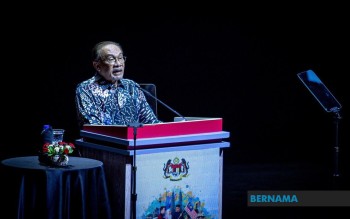
Prime Minister Datuk Seri Anwar Ibrahim's announcement at the 2026 National Day Prime Minister's Address marks a significant policy shift designed to ease regulatory pressure on Malaysia's vast informal and semi-formal business sector. The Inland Revenue Board (LHDN) has confirmed that the e-Invoice implementation threshold, originally set at RM1 million, will increase to RM3 million effective September 1, substantially broadening exemptions for businesses operating below that revenue mark.
The policy adjustment directly benefits over 1.1 million enterprises across Malaysia that fall beneath the new threshold. This represents one of the government's most substantial relief measures for the MSME sector in recent years, acknowledging the genuine financial and operational barriers that smaller trading entities face when adopting new digital compliance systems. For many micro and small businesses operating on thin margins, the costs associated with purchasing point-of-sale systems, training staff, and managing digital infrastructure can represent a meaningful capital burden relative to their overall revenue.
The LHDN's framing of this decision reflects broader policy priorities under the MADANI government framework, which emphasises reducing unnecessary administrative burdens whilst maintaining economic dynamism. Officials specifically cited concerns about compliance costs eating into operational budgets that could otherwise support business expansion, inventory investment, or workforce development. This alignment between regulatory relief and economic growth objectives positions the e-invoicing adjustment within a wider narrative about supporting business sustainability during what many analysts describe as a prolonged period of measured economic growth.
Despite the exemption threshold increase, the LHDN has signalled that voluntary participation remains encouraged. The government believes that digital transformation of business operations ultimately benefits the broader economy through improved transaction visibility, reduced fraud, and enhanced supply chain efficiency. The distinction between mandatory compliance and encouraged voluntary adoption recognises that some MSMEs may recognise genuine operational benefits from e-invoicing systems even if not legally required to implement them.
The education and support infrastructure surrounding e-invoicing implementation appears comprehensive. The LHDN has committed to delivering training programmes, providing hands-on assistance through contact centres, and maintaining dedicated digital resources including the MyInvois Portal, MyInvois mobile application, and MyInvois e-POS systems. These multi-channel support mechanisms suggest officials recognise that technical literacy varies substantially across the MSME population, and that successful voluntary adoption requires accessible guidance.
Data released by LHDN indicates that e-invoicing adoption since the August 1, 2024 launch has achieved what officials characterise as substantial momentum. Approximately 265,379 taxpayers have submitted e-Invoices collectively representing over 1.84 billion individual transactions. Whilst the figures predominantly reflect larger enterprises that faced mandatory compliance, they suggest the digital infrastructure has proven resilient and that technical barriers have not derailed implementation among those required to participate.
For Malaysian businesses, the RM3 million threshold now aligns more closely with international practices, where many comparable economies exempt small enterprises from certain compliance requirements. This threshold consideration is particularly relevant for Southeast Asian exporters and businesses integrated into regional supply chains, as it maintains Malaysia's regulatory competitiveness whilst acknowledging the distinct capacity constraints of smaller operations. The decision also reflects recognition that excessive compliance requirements can inadvertently push businesses toward informal economic activity rather than formalisation.
The support apparatus extends beyond system training to encompassing broader customer service engagement. Businesses seeking clarification can contact the dedicated e-Invoice Helpdesk on 03-8682 8000, visit LHDN offices directly, utilise the MyInvois Live Chat facility, or submit inquiries via email to [email protected]. This multi-contact approach acknowledges that different businesses have varying preferences for accessing government support, from those preferring telephone conversations to those comfortable with digital chat interfaces.
The timeline for this implementation change provides affected businesses approximately two weeks notice before the September 1 effective date. This compressed timeframe may present practical challenges for enterprises currently preparing compliance systems based on the original RM1 million threshold. However, the exemption structure means most affected businesses face no immediate action requirement, potentially mitigating disruption concerns that might otherwise arise from short-notice policy modifications.
Looking forward, the e-invoicing framework appears designed as a long-term digital infrastructure project rather than a purely revenue-collection mechanism. Officials' emphasis on voluntary participation and educational support suggests officials view the system as contributing to broader business digitalisation ambitions. The relatively high adoption figures despite voluntary nature for many businesses indicate growing acceptance of digital transactional methods within the Malaysian business community.
For the broader Southeast Asian context, Malaysia's approach to e-invoicing thresholds and exemptions provides a model of regulatory pragmatism that balances tax administration objectives against business development priorities. The decision acknowledges that economic development in emerging markets depends substantially on supporting MSME dynamism, and that excessive compliance burdens disproportionately impact smaller operators lacking dedicated compliance functions. As other regional economies continue evaluating their own digital tax compliance frameworks, Malaysia's threshold adjustment may influence policy discussions about balancing administrative modernisation with business-friendly regulation.

