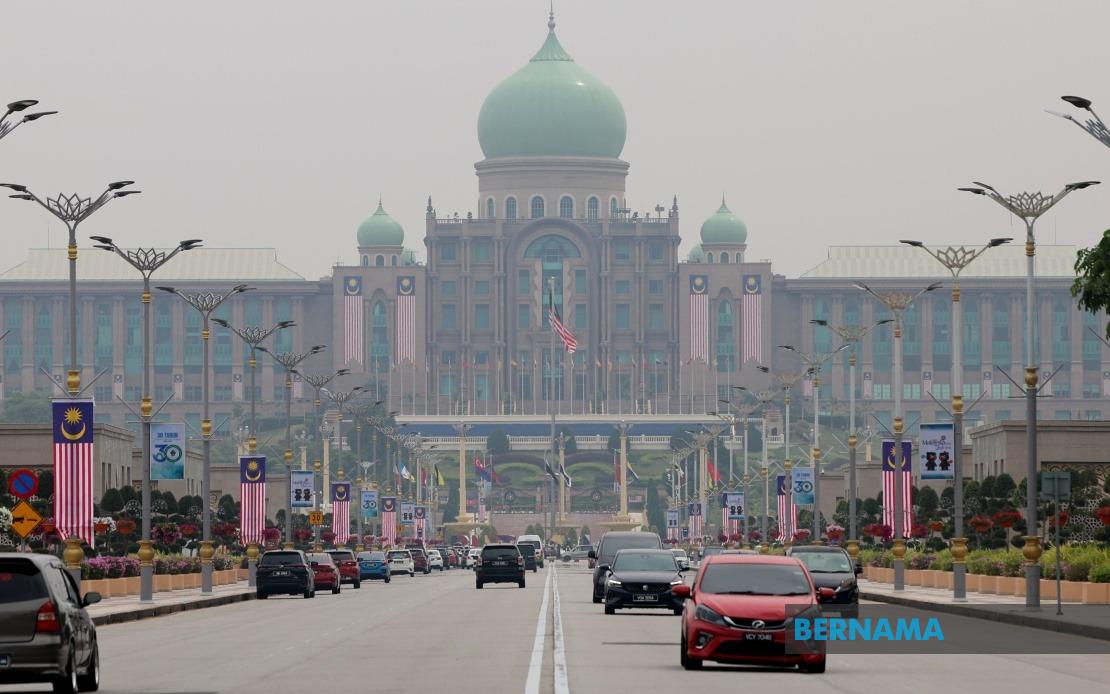
Malaysia has escalated its push for coordinated regional action against transboundary haze pollution, urging ASEAN partners to implement comprehensive preparedness measures amid mounting environmental pressure. The appeal, made through an official communication to ASEAN Secretary-General Dr Kao Kim Hourn, underscores growing concern that dry weather patterns across Southeast Asia could amplify the haze crisis in coming months, particularly as the El Niño phenomenon gathers strength.
Natural Resources and Environmental Sustainability Minister Datuk Seri Arthur Joseph Kurup framed the initiative as essential risk management at the regional level. While individual member states currently maintain control over fire incidents within their own territories, the cross-border nature of haze pollution demands that no nation can address the problem unilaterally. The minister emphasised that the ASEAN Agreement on Transboundary Haze Pollution, the bloc's foundational framework for managing such crises, requires sustained commitment across all dimensions of response capacity.
Kurup outlined a multi-layered approach that member states should adopt immediately. Enhanced surveillance of high-risk fire zones forms the cornerstone of prevention, supported by strengthened enforcement mechanisms targeting open burning—one of the primary sources of transboundary haze. Equally critical is maintaining readiness in firefighting operations across the region, ensuring that when incidents occur, rapid suppression can limit their spread and atmospheric impact. The minister stressed that these measures must work in concert, rather than as isolated national initiatives.
The strategic context for Malaysia's intervention is increasingly urgent. Meteorological data reveals that prolonged dry spells currently affecting southern ASEAN territories have triggered a noticeable uptick in hotspot detection. This pattern typically precedes major haze episodes, particularly during El Niño years when atmospheric circulation patterns suppress rainfall and extend dry seasons. Climate forecasters expect El Niño conditions to intensify progressively over the remainder of the year, creating a potentially volatile window for haze formation across the wider region.
For Malaysian policymakers and citizens, this issue carries particular weight. Malaysia's geographic position and prevailing wind patterns mean the country frequently bears the brunt of haze originating from neighbours, particularly during the dry season. Previous episodes have disrupted economic activity, strained healthcare systems dealing with respiratory illness surges, and prompted school closures. The haze of 2015, for instance, created transnational diplomatic tensions and demonstrated the limitations of unilateral mitigation efforts.
The minister's emphasis on information exchange and regional coordination reflects lessons learned from past crises. Effective haze management depends on real-time data sharing about hotspot locations, fire intensity, and atmospheric conditions. When member states operate in isolation, without transparent communication channels, early warning systems fail and response efforts become fragmented. The ASEAN Secretariat's role as the Interim ASEAN Coordinating Centre for Transboundary Haze Pollution Control thus becomes pivotal in enabling member states to synchronise their actions and pool resources strategically.
Malaysia's diplomatic messaging also highlights the importance of early intervention—tackling potential fire outbreaks before they escalate into region-wide crises. This prevention-focused approach is substantially more cost-effective than managing severe haze episodes after they have developed. Early intervention requires consistent monitoring infrastructure, rapid intelligence networks, and the political will among member states to enforce fire prevention regulations even when facing domestic economic pressures to permit certain land-use practices.
The call for collective action arrives amid broader Southeast Asian climate vulnerabilities. The region's agricultural practices, particularly the clearing of palm plantations and peatlands in Indonesia, create vast reservoirs of combustible material. During dry spells, these areas become tinderboxes. While Indonesia bears the heaviest responsibility as the source region in most haze episodes, Malaysia's appeal emphasises that all nine ASEAN members have roles in prevention and preparedness, whether through border region monitoring, information sharing, or capacity building.
Kurup's framing of haze management as integral to regional climate resilience positions the issue within the wider sustainability agenda. ASEAN nations collectively champion climate action on the international stage, yet transboundary haze represents a tangible, recurring demonstration of climate vulnerability and the costs of inadequate environmental governance. By advocating for stronger internal coordination, Malaysia implicitly argues that ASEAN's external credibility on climate matters depends on managing internal environmental crises effectively.
The statement also reflects Malaysia's confidence in the ASEAN institutional framework. Rather than bypassing regional mechanisms or escalating disputes bilaterally, the country channels its concerns through established protocols and the ASEAN Secretariat. This institutional approach, while sometimes criticized as slow-moving, provides a face-saving mechanism for all parties and maintains diplomatic relationships essential for long-term cooperation on shared environmental challenges.
Practically, Malaysia's appeal signals to other member states—particularly Indonesia, the primary source region—that immediate action is expected. The timing, ahead of anticipated El Niño intensification, suggests urgency. For businesses, environmental groups, and citizens across ASEAN, the statement indicates that haze management will likely feature prominently in regional discussions and bilateral dialogues in coming months.
Looking forward, the effectiveness of this collective call will be measured not in rhetorical commitment but in concrete outcomes: whether hotspot surveillance improves, whether open burning enforcement tightens, whether information flows more transparently, and ultimately, whether the region experiences a milder haze season than feared. Given the escalating climate pressures and economic stakes involved, ASEAN members have little option but to translate diplomatic appeals into operational reality.

