Malaysia's government has initiated a comprehensive diplomatic and administrative process to seek compensation arising from its decision to cancel the procurement of the Naval Strike Missile (NSM) system from Norway-based Kongsberg Defence & Aerospace AS (KDA). Defence Minister Datuk Seri Mohamed Khaled Nordin outlined the government's commitment to resolving the matter through formal governmental channels, signalling a structured approach that prioritises international protocol and negotiated settlement over contentious litigation.
The Defence Ministry and Foreign Ministry have formally communicated Malaysia's position to the Norwegian government, laying the groundwork for what officials describe as a collaborative resolution process. This diplomatic notification serves multiple purposes: it officially registers Malaysia's grievances regarding the contract termination, establishes the government's intent to pursue compensation, and requests that Norway facilitate discussions between Malaysian authorities and the defence contractor. By involving the Norwegian government as a mediating party, Malaysia is leveraging bilateral relations and diplomatic goodwill to create pressure on KDA to engage constructively in settlement discussions.
Defence Minister Mohamed Khaled Nordin stressed the government's determination to resolve the dispute efficiently, explaining that early formal notification of Malaysia's position was essential to maintaining momentum in negotiations. The decision to involve the Foreign Ministry alongside the Defence Ministry underscores the significance placed on the matter at the highest levels of government. Such coordination signals to both KDA and the Norwegian government that Malaysia views this as a matter of national importance worthy of sustained diplomatic attention.
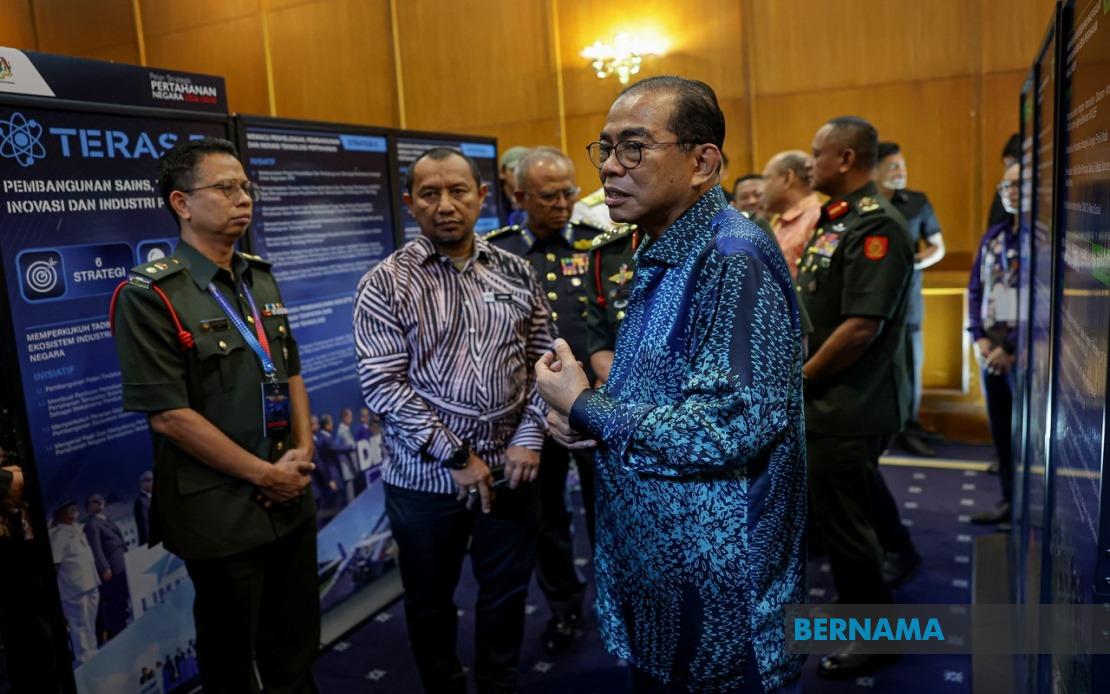
The timing of this diplomatic initiative coincides with the unveiling of Malaysia's National Defence Strategic Plan and Defence Capability Blueprint 2026-2030, presented during the same event at which Mohamed Khaled made his statements. This convergence is not incidental; the government appears intent on demonstrating its proactive management of defence procurement challenges while simultaneously charting a path forward for Malaysia's broader military modernisation agenda. The cancelled NSM contract represents a setback in capability development that this new strategic framework is designed to address.
Parliamentary oversight has also engaged with this issue, as evidenced by the Public Accounts Committee (PAC) receiving a special briefing from the Defence Ministry on the compensation matter. The PAC's subsequent recommendation that the government strengthen both mitigation efforts and diplomatic engagement reflects parliamentary concern about protecting Malaysia's fiscal interests while maintaining international standing. This suggests that lawmakers expect the executive branch to balance aggressive compensation pursuit with prudent diplomacy that preserves Malaysia's reputation as a reliable partner in international defence relationships.
The PAC's emphasis on safeguarding "the country's fiscal sovereignty" carries particular weight given Malaysia's ongoing fiscal constraints and competing demands on defence budgets. Compensation recovered from KDA could be redirected toward alternative capability acquisition or reinvested in existing programmes. However, the committee's language also acknowledges that pursuing compensation too aggressively or through inappropriate channels could damage Malaysia's ability to conduct future defence partnerships with European nations or other countries that value predictable, law-abiding defence procurement practices.
The involvement of Chief of Defence Force General Tan Sri Malek Razak Sulaiman at the strategic plan launch underscores military leadership's investment in resolving the compensation matter. Military institutions are directly affected by cancelled procurement programmes, as these cancellations create capability gaps that impact operational readiness and strategic planning. The presence of the CDF signals that Malaysia's defence establishment views this compensation claim not merely as a financial matter but as central to the country's defence modernisation trajectory.
For Malaysia and other Southeast Asian nations, this situation illustrates the complexities of international defence procurement involving European suppliers. Contract disputes with advanced defence companies, particularly those based in NATO member states, require careful navigation of diplomatic, legal, and commercial considerations. Malaysia's approach—emphasising negotiated settlement through official channels rather than immediate legal confrontation—reflects pragmatic recognition that maintaining relationships with defence suppliers and their home governments serves Malaysia's long-term security interests.
The NSM cancellation itself reflects broader challenges in Malaysian defence procurement, where planned acquisitions sometimes encounter budgetary, political, or technical obstacles that force policy reversals. How Malaysia manages the compensation claim will establish precedents for future defence partnerships and may influence the willingness of international contractors to undertake large-scale defence projects in Malaysia. A settlement achieved through diplomacy rather than protracted dispute could actually enhance Malaysia's reputation as a principled but reasonable partner in defence relationships.
The Norwegian government's role as mediator is potentially valuable, given that Norway has longstanding defence relationships across Southeast Asia and maintains credibility as a neutral, non-aligned nation in broader geopolitical tensions. Norwegian facilitation could encourage KDA to view compensation settlement as preferable to defending itself against Malaysian claims, particularly if doing so would strain Norway's broader diplomatic relations with Malaysia and the region. This diplomatic leveraging represents a sophisticated understanding of how defence relationships operate within broader international frameworks.

