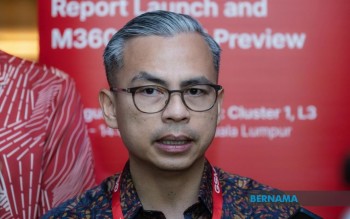
Kuala Lumpur's appointment as host city for M360 ASEAN 2026, scheduled for September 9 and 10, marks a significant milestone for Malaysia's standing in Southeast Asia's rapidly evolving digital ecosystem. Communications Minister Datuk Seri Fahmi Fadzil underscored the strategic importance of the designation, characterising it as an opportunity to cement the nation's credentials in telecommunications, artificial intelligence, and regional connectivity infrastructure during a roundtable discussion following the formal announcement.
The event, organised by the GSM Association, will convene a broad cross-section of stakeholders from across the ASEAN bloc, including telecommunications operators, technology vendors, policy specialists, venture capital investors, academic institutions, and government officials. This convergence represents a rare occasion for Southeast Asia to collectively examine the trajectory of its digital sector and chart a unified course towards greater technological integration and innovation. By serving as the gathering point for these diverse constituencies, Malaysia positions itself as a convener and thought leader in regional technology governance.
Fahmi emphasised that hosting M360 ASEAN 2026 carries particular significance as this marks both the inaugural staging of the conference within Malaysia and the first instance of the event being held anywhere in ASEAN. This distinction reflects the region's growing maturity in digital infrastructure and its elevation in the global technology conversation. The minister framed the selection as validation of Malaysia's commitment to digital advancement and regional cooperation, extending beyond commercial considerations to encompass broader policy collaboration.
The gathering will furnish a structured platform for policymakers and industry practitioners from across ASEAN to deliberate on the strategic direction of the digital sector. Discussions are expected to encompass approaches to expanding broadband penetration, bridging the connectivity divide between urban and rural communities, and establishing governance frameworks that enable artificial intelligence deployment while protecting citizen interests. Such dialogue is particularly pertinent as Southeast Asian nations grapple with the tension between accelerating technological adoption and maintaining regulatory oversight.
According to analysis released by GSMA, the economic stakes underpinning these discussions are substantial. Mobile technologies and services are projected to generate USD1.4 trillion in economic value for the Asia-Pacific region by 2030, representing a 40 per cent expansion from the current USD1 trillion baseline. This projection underscores the outsized importance of the telecommunications sector to regional prosperity and the consequences of policy missteps or underinvestment in digital infrastructure.
However, the GSMA analysis identifies several headwinds that will complicate the path to realising this growth trajectory. The first involves the accelerating integration of artificial intelligence across telecommunications networks and consumer services. While AI promises operational efficiencies and enhanced service delivery, it simultaneously introduces novel risks related to algorithmic bias, data privacy, and employment displacement that policymakers have yet to adequately address.
The second structural challenge involves erosion of public confidence in digital platforms and services. Data breaches, misinformation, and concerns about surveillance have collectively undermined consumer trust in digital ecosystems across the region. Restoring confidence will require demonstrable commitment from operators and technology companies to security, transparency, and responsible data stewardship.
Thirdly, the GSMA identifies growing demand for more resilient digital infrastructure capable of withstanding natural disasters, cyberattacks, and other disruptions. Southeast Asia's exposure to typhoons, flooding, and seismic activity necessitates telecommunications networks engineered with redundancy, geographic distribution, and rapid recovery protocols. This resilience imperative carries significant capital implications for operators and governments alike.
Fourthly, and increasingly prominent in policy discussions across the region, is the question of digital sovereignty. ASEAN nations are increasingly insistent that critical digital infrastructure and data remain subject to domestic regulatory authority rather than defaulting to foreign technology platforms and cloud providers. This priority reflects both security concerns and broader nationalist sentiment about preserving economic and political autonomy in an interconnected world.
The convergence of these four priorities—AI proliferation, declining digital trust, infrastructure resilience, and digital sovereignty—will define the character of the M360 ASEAN 2026 discussions. Malaysia's role as convener places the nation in a position to shape how these tensions are framed and how potential resolutions are articulated. For Malaysian policymakers and industry leaders, the event presents an opportunity to showcase domestic innovations and policy approaches while learning from peer experiences across Cambodia, Indonesia, the Philippines, Singapore, Thailand, and Vietnam.
The timing of the conference also reflects the region's recognition that digital transformation cannot be treated as a purely technical challenge divorced from questions of governance, equity, and social welfare. By bringing together government representatives alongside industry actors, M360 ASEAN 2026 signals acknowledgment that shaping Southeast Asia's digital future requires sustained dialogue between public and private sectors.
For Malaysia specifically, hosting the event strengthens the nation's appeal as a destination for regional technology investment and talent. By demonstrating commitment to fostering productive dialogue about digital strategy and by providing logistical support for a flagship ASEAN technology gathering, Malaysia enhances its positioning as a reliable steward of regional technology cooperation. This soft power benefit complements the direct economic gains from hosting such conferences.

