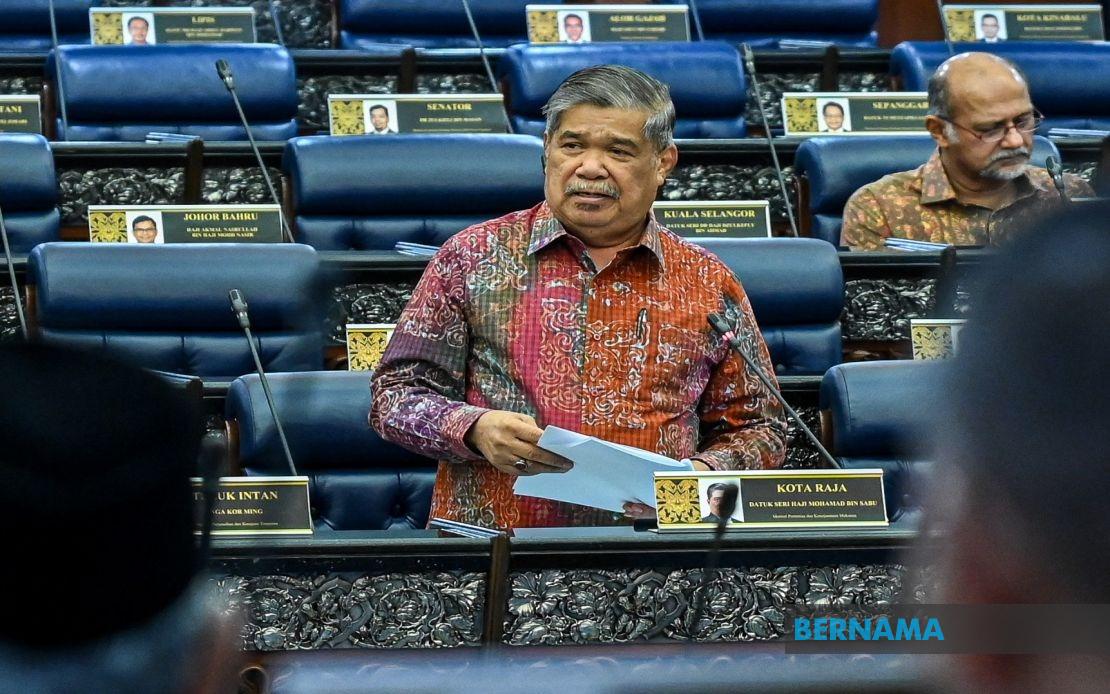
The Malaysian government has launched a structured pathway for unlicensed fishermen to formalise their operations, addressing a persistent challenge in the nation's fishing industry where many operators have historically worked without proper documentation. Speaking in the Dewan Rakyat, Agriculture and Food Security Minister Datuk Seri Mohamad Sabu outlined a regularisation programme designed to process applications from coastal fishermen lacking current licences, filling gaps created when existing licences are cancelled or surrendered. This initiative reflects a broader policy shift towards bringing the informal fishing sector into the regulatory framework while recognising the economic realities facing traditional and small-scale operators.
The regularisation programme operates on a periodic cycle, with the government processing batches of applications whenever licence vacancies arise. Last year, 800 fishing licences were approved nationally, compared to 915 the previous year, indicating a consistent intake rate for new operators. These figures suggest the government maintains a deliberate pace in expanding the licensed fishing fleet, balancing the need to bring informal operators into the system against sustainability concerns and existing licence holders' interests. The Fisheries Department manages the application process through District Fisheries Offices, establishing a localised mechanism that can assess applicants' credentials and circumstances directly.
Unlicensed coastal fishermen now have the opportunity to apply for special boat licences, subject to stringent eligibility criteria designed to ensure licences reach those genuinely dependent on fishing for their livelihood. Applicants must demonstrate a ten-year residency confirmation from their fishing village head, a requirement that verifies deep community roots and local knowledge. Additionally, prospective licensees must prove they actively fish by documenting at least 120 days per year at sea, a substantial threshold that filters out casual or part-time operators. State Fisheries Office endorsement is mandatory, creating an additional accountability layer within the approval process.
The personal requirements further narrow the pool of eligible applicants. Candidates must be at least 18 years old and in good health, practical standards ensuring operators can manage the physical demands of fishing operations. Critically, applicants must work as fishermen, establishing that fishing constitutes their primary occupation rather than a secondary income source. For those already receiving government pensions, an income ceiling of RM2,200 monthly applies, preventing wealthy individuals from accessing licences intended for economically disadvantaged communities. These conditions collectively target assistance toward individuals genuinely dependent on fishing as their principal means of survival.
Minister Mohamad emphasised that the regularisation approach delivers multiple benefits extending beyond legal compliance. Fishermen operating under proper licences gain access to government assistance programmes, which typically include subsidies for fuel, fishing equipment, training, and emergency relief during poor fishing seasons. These support mechanisms can significantly improve fishing families' economic stability, particularly during downturns in catch volumes or fish prices. Legal status also facilitates access to fishing community credit schemes and microfinance programmes that informal operators often struggle to obtain. By removing the licensing barrier, the government creates pathways for marginalised fishermen to integrate more fully into formal economic structures.
Enhanced regulatory compliance represents another pillar of the initiative's rationale. Licensed fishermen operate within defined frameworks covering catch reporting, area restrictions, and seasonal closures—measures designed to prevent overfishing and protect marine ecosystems. When operators lack licences, monitoring becomes practically impossible, creating blind spots in fisheries management data. Regularisation directly addresses this transparency gap, allowing the Fisheries Department to track catch volumes, fishing methods, and vessel movements more accurately. Improved data collection ultimately strengthens the scientific foundation for sustainable resource management across Malaysian waters.
The timing of this announcement reflects mounting pressure from fishing communities, particularly in traditionally affected regions like Bukit Gantang, where unlicensed operators have faced enforcement actions. Datuk Syed Abu Hussin Hafiz Syed Abdul Fasal raised the issue directly in parliament, voicing concerns about penalising fishermen, often elderly or from low-income backgrounds, who had operated without formal licences for decades. His supplementary question pressing for more transparent licensing criteria exposed weaknesses in the existing system's communication and accessibility. The minister's response acknowledging the need for periodic criterion reviews suggests previous application of standards may have lacked consistency or clear public understanding.
Corruption and nepotism have historically plagued Malaysia's fishing licence allocation, with some non-fishermen reportedly securing licences while genuine practitioners remained unlicensed. Minister Mohamad's explicit invitation for written complaints about such irregularities indicates awareness of this problem and signals a willingness to investigate suspected abuses. However, relying on public complaint mechanisms carries inherent limitations—fishing communities often lack formal complaint channels or fear retaliation by local officials. Strengthening this accountability mechanism would require proactive audits rather than purely reactive complaint processing.
The regularisation programme's periodic nature, cycling through licence vacancies, necessarily limits annual intake volumes. With only 800 licences approved last year, many unlicensed operators face extended waits for eligibility. This staggered approach prevents sudden disruptions to existing licensees' operations and protects established fishermen from excessive competition, but it also means informal operators cannot immediately formalise regardless of meeting criteria. For elderly traditional fishermen who may not survive multi-year waiting periods, the programme's paced implementation raises fairness questions that policymakers have not yet publicly addressed.
For Southeast Asian context, Malaysia's approach aligns with regional trends toward formalising informal fishing sectors while maintaining social safety nets. Indonesia, Thailand, and the Philippines have similarly grappled with large unlicensed fishing populations, typically facing enforcement-first policies that exacerbate poverty. Malaysia's emphasis on access to government programmes rather than purely punitive measures represents a comparatively progressive framework. However, success ultimately depends on adequate funding for assistance programmes and genuine implementation of transparent criteria across all districts, challenges that remain unresolved.
The initiative also carries implications for regional fisheries management and international compliance. Southeast Asian nations collectively manage shared fish stocks and are increasingly subject to international scrutiny regarding illegal, unreported, and unregulated (IUU) fishing. Formalising Malaysia's fishing fleet improves the nation's compliance standing internationally and demonstrates commitment to sustainable resource management. However, regularisation alone proves insufficient without simultaneous enforcement against illegal foreign vessels and improved monitoring technologies on licensed boats. The government must couple this programme with investment in surveillance capabilities and regional cooperation to achieve meaningful sustainability gains.
Implementation quality will ultimately determine whether the regularisation programme succeeds as genuine reform or becomes merely a cosmetic adjustment masking systemic problems. District Fisheries Offices require adequate staffing and training to fairly evaluate applications according to transparent criteria. Regular monitoring must verify that criteria are applied consistently across regions and that approved licensees continue meeting their obligations. Community consultations, particularly with fishing village heads responsible for residency confirmations, would strengthen local buy-in and reduce potential for localised patronage networks to distort the process. Without these supporting mechanisms, the programme risks reproducing existing inequities in new forms.

